
Care Visit Reporting: What Good Reports Include
What a good home care visit report contains, how to brief agency carers, who sees the notes, and what to do when a visit is late, missed or not as planned.

What a good home care visit report contains, how to brief agency carers, who sees the notes, and what to do when a visit is late, missed or not as planned.
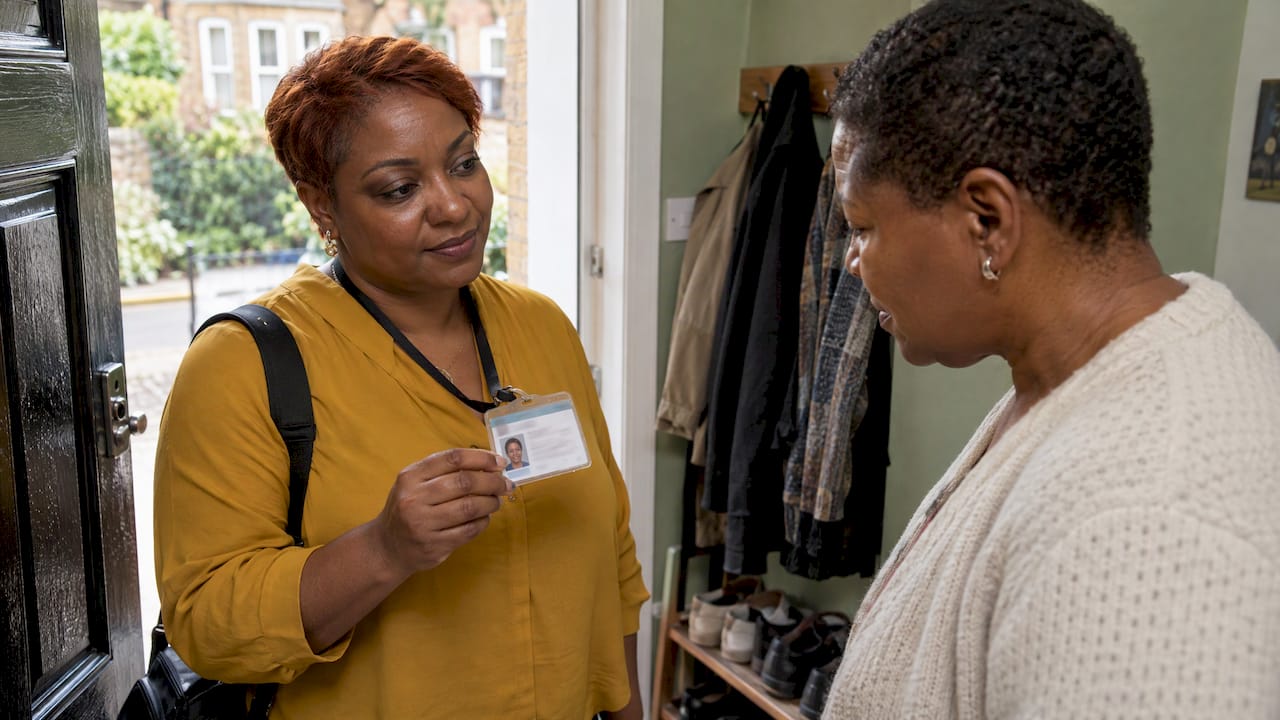
What identity, DBS and reference checks a UK home care agency must run on carers, and how you can verify a DBS certificate number before care begins.

How people with a learning disability can live well at home in London: what support exists, how to get an assessment, and how to plan safe, person-centred care.
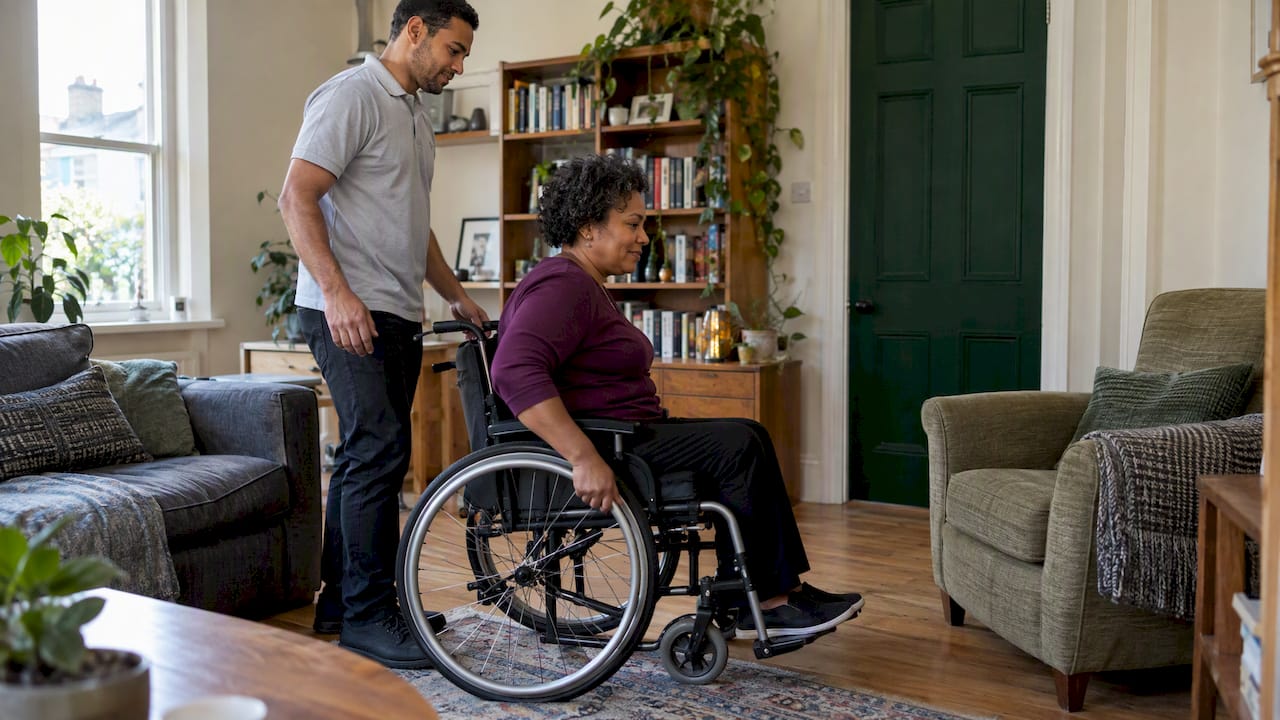
How home care can support someone with a spinal or brain injury in the UK: tasks, assessments, NHS funding, home adaptations and how to choose a carer.
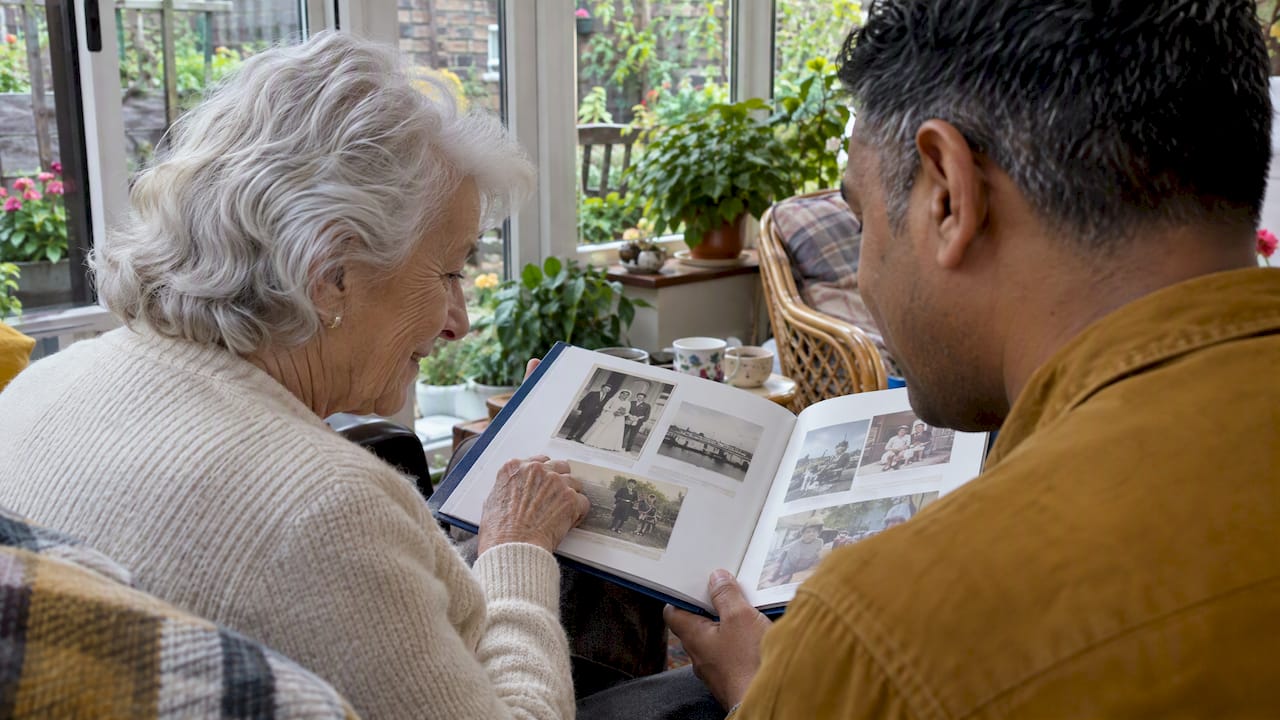
What life story work is, how it differs from reminiscence, what to put in a dementia memory book, and how to share it with new carers, step by step.

Who qualifies for domiciliary care in England? How the council needs assessment works, what the means test means, and how to arrange care privately.

Carer stress relief that works in real life: spot the warning signs, use quick calming techniques, ask for help and arrange respite and cover in the UK.

Practical autism meltdown strategies for parents and carers: spot early signs, reduce triggers, stay safe during an episode and recover well afterwards.

How to spot the signs of dehydration in an older person at home, what to do about it, when to call 111 or 999, and simple routines that help them drink enough.
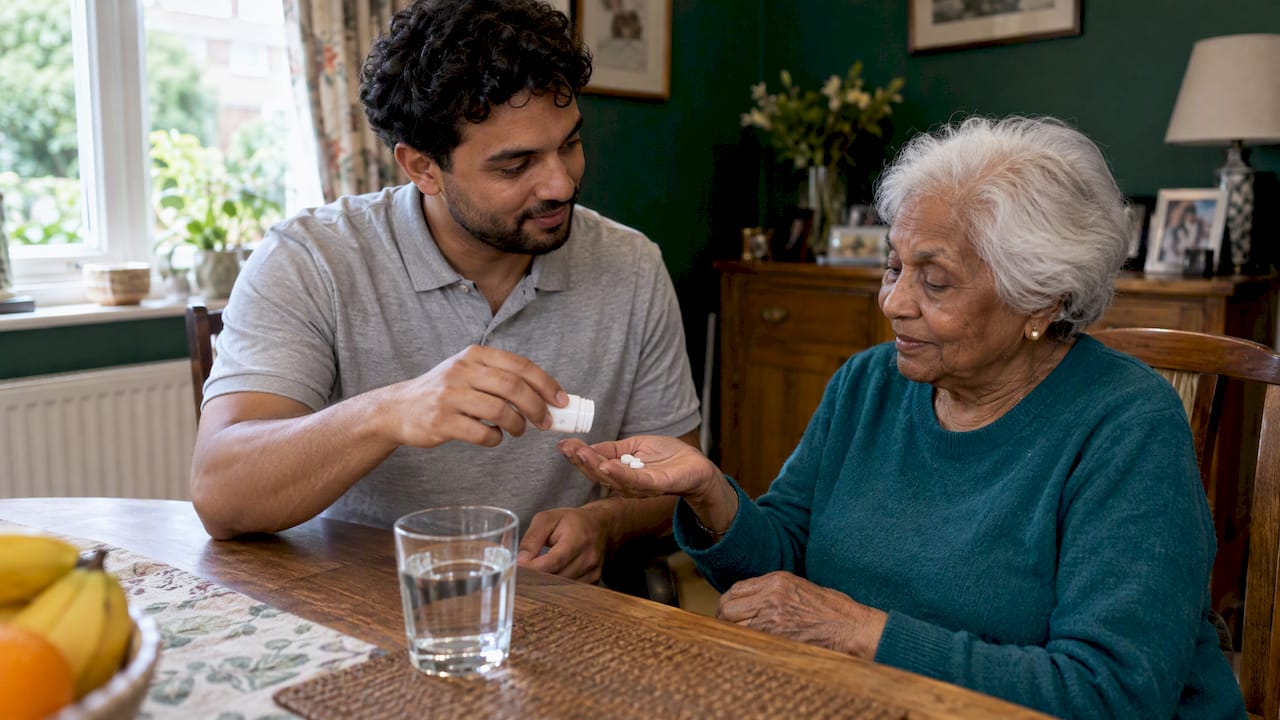
How to treat low blood sugar in an older person step by step: the 15-20g carbohydrate method, what to do if they are drowsy, and how to prevent repeat hypos.