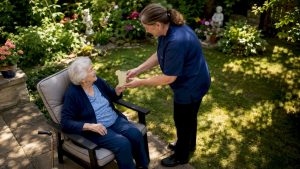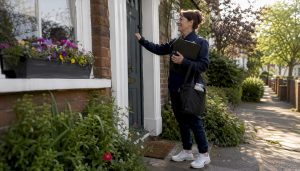
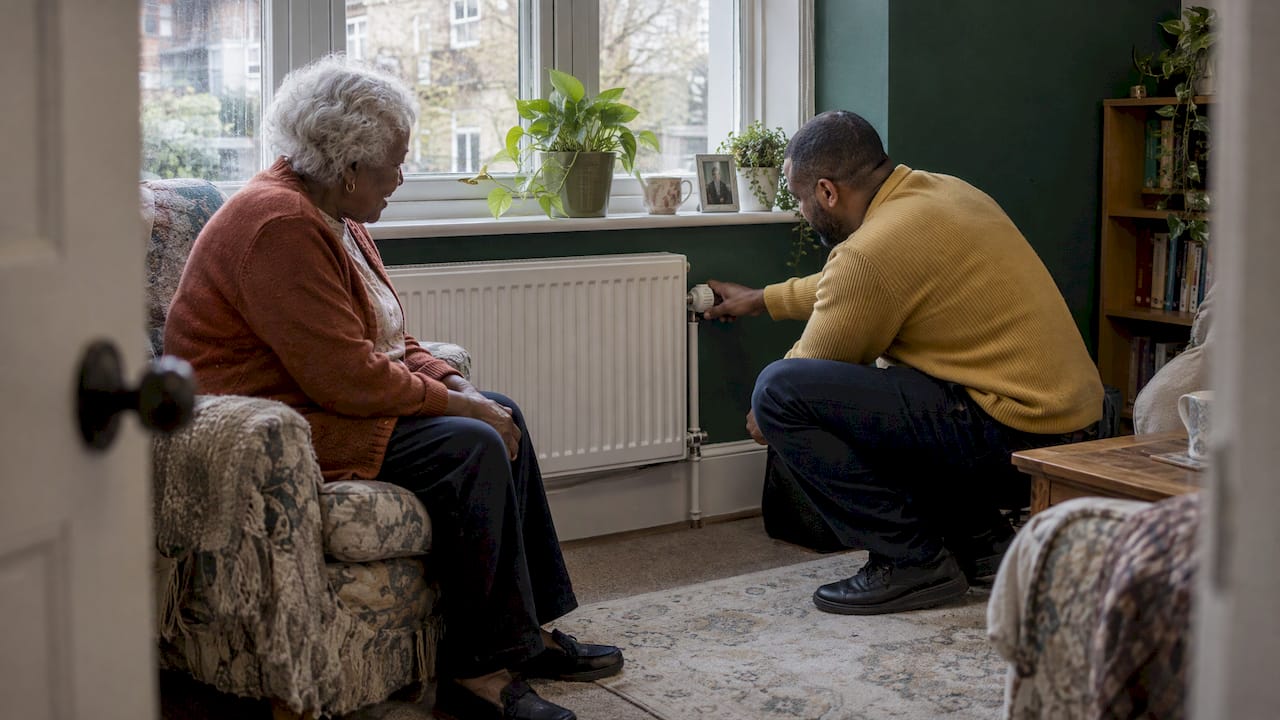
Winter care for an older person comes down to five things: a warm home, regular food and drink, safe movement, company and daylight, and knowing when to ask for medical help. Cold affects older bodies more, and it is easy to miss. Regular visits from a trained carer mean someone is in the home at the same time each day to notice changes early. At Kells we provide call-in visits, live-in care and respite cover across London, and this guide sets out what to do, whether you are helping from next door or from across the city.
TL;DR
- Keep the rooms your relative uses most at 18°C or above, and the living room at 18 to 21°C if they have dementia. Check with a thermometer rather than asking.
- Offer a hot meal every day, regular fluids and a hot drink before bed. Avoid alcohol, which draws heat away from the body.
- Reduce falls with non-slip, warm-lined shoes, hourly movement indoors and a plan for icy paths.
- Watch for low mood, confusion and isolation as daylight shortens, and keep daily contact at a regular time.
- Shivering, confusion, slurred speech or drowsiness in the cold is an emergency: call 999.
Table of Contents
- Why cold weather is riskier for older people
- Heating and the home
- Food, drink and gentle movement
- Preventing falls on cold, dark days
- Winter and dementia
- Loneliness and low mood
- When to get medical help
- A weekly winter routine for families
- How home care helps through the winter
- FAQ
- Sources
Why cold weather is riskier for older people
GOV.UK guidance for health professionals, updated on 24 September 2025, describes adverse cold weather as prolonged periods below 2°C or a sudden drop in temperature. It names people aged 65 and over as an at-risk group. Cold raises the risk of blood clots, which in turn raises the risk of heart attack and stroke. It also brings chest infections, worse breathing problems and falls, and can contribute to depression and anxiety.
The NHS makes a similar point in its Stay well this winter leaflet: staying warm helps prevent colds, flu, heart attacks, strokes, pneumonia and depression.
The UK Health Security Agency (UKHSA) issues cold-health alerts through the winter. Each year’s alerts are listed on its cold-health alert page for 2026/27, which is updated as regions are added or extended. Check it when the forecast turns, because alerts change from week to week.
Heating and the home
The starting point is temperature. Age UK’s winter guide and the NHS leaflet both advise heating the rooms used most, usually the living room and bedroom, to at least 18°C. Practical steps from the same guidance:
- Wear several thin layers rather than one thick one.
- Close curtains at dusk and bedroom windows at night, and use draught excluders on doors.
- Have gas appliances serviced every year by a Gas Safe registered engineer.
- Fit a carbon monoxide alarm in every room with a gas or solid-fuel appliance, and test it.
- Warm the bed with a hot water bottle or an electric blanket, never both together. Electric blankets should be checked every three years.
Carbon monoxide matters more in winter. GOV.UK’s guidance notes that poisoning cases typically rise because people use combustion heating and cooking more and ventilate less. If the alarm sounds or you smell gas, Alzheimer’s Society advises moving everyone outside into fresh air and calling the National Gas Emergency Service on 0800 111 999 from a safe place.
The heating bill problem
Many older people ration heating. NICE’s guide on preventing winter deaths and illnesses from cold homes tells care staff to be aware that people may hide difficulties paying for heating, for example by only switching it on when a visitor is expected. It also asks staff to challenge myths such as the idea that sleeping in a cold room is good for you.
So ask gently how and when your relative uses the heating, and whether cost is limiting it. Alzheimer’s Society’s research with 1,368 people affected by dementia, reported on 9 November 2026, found that one in three had cut back on essentials such as food and transport to pay energy bills. If money is the barrier, raise it early with your relative’s GP or local council rather than letting the heating stay off.
Food, drink and gentle movement
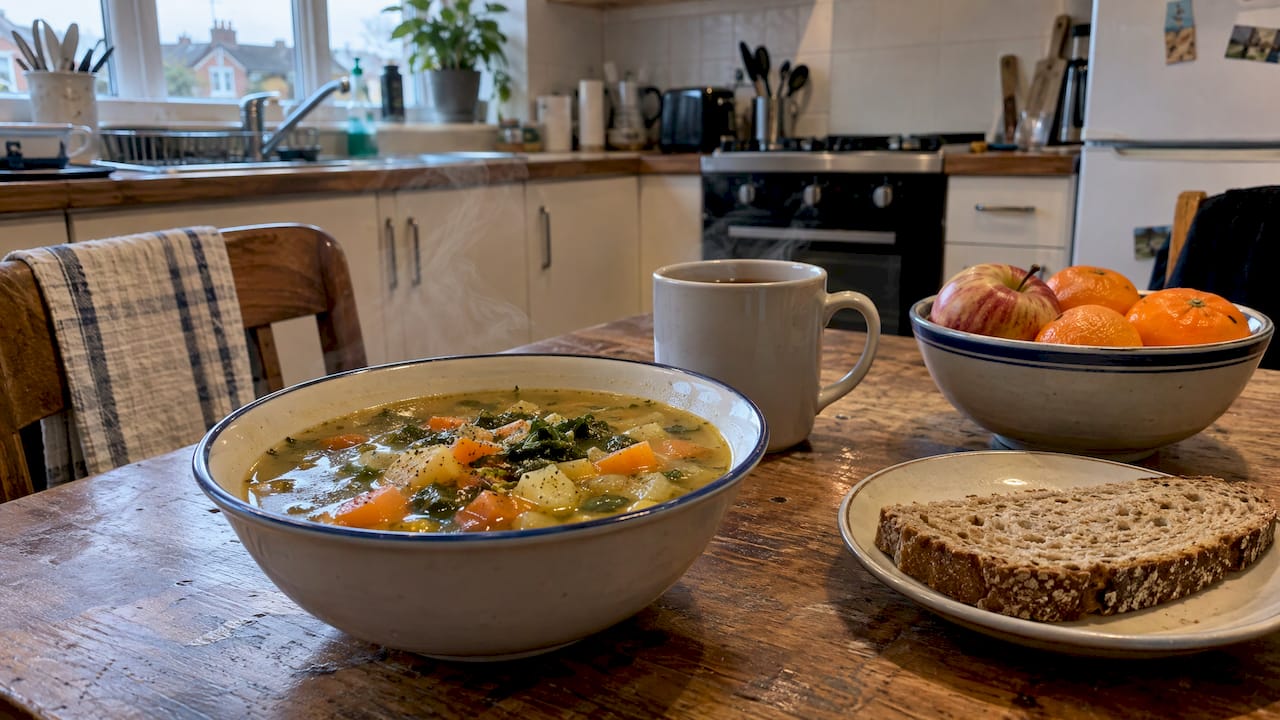
Keeping warm uses energy, so regular meals matter. Age UK advises at least one hot meal a day, a hot drink before bed, and fruit and vegetables every day (frozen counts). It suggests keeping extra food in the cupboard or freezer and using online grocery delivery for bad-weather days. If appetite or weight is falling, speak to the GP or practice nurse. Alzheimer’s Society adds that alcohol should be avoided because it draws heat from vital organs.
Our own guides go deeper on elderly nutrition tips for caregivers, appetite loss in the elderly and dehydration in elderly people at home. Dehydration is easy to overlook in winter because thirst fades when it is cold.
Movement generates heat. Age UK recommends moving about once an hour indoors, with chair-based exercises (the NHS publishes videos). Very cold hands, face or feet can raise blood pressure and so the risk of a heart attack, which is why gloves, a hat, a scarf and warm-lined shoes matter even for a short trip out.
Preventing falls on cold, dark days
Ice, wet leaves and early darkness all raise the risk of a fall. The NHS leaflet notes that regular activity reduces fall risk and helps recovery if you do get ill. Simple steps:
- Non-slip soles and warm-lined shoes indoors and out.
- Salt or sand kept by the door for icy paths.
- A personal alarm that connects to a 24-hour response centre, which Age UK suggests for people who feel less steady on icy ground or more isolated in winter. The centre can contact a chosen neighbour, friend, relative or the emergency services.
- Regular balance work: this overview of balance training for seniors shows safe exercises to build steadiness.
For a fuller home checklist, see our fall prevention tips for seniors and our explanation of what mobility support involves.
Winter and dementia
If your relative has dementia, winter needs extra planning, because they may not tell you they are cold. Dementia UK explains that communication difficulties can stop a person describing how they feel, and that cold can increase confusion. Its advice:
- Check, do not ask. Use a room thermometer, or with permission feel the back of the neck. Cold hands and feet do not necessarily mean a low core temperature.
- Heat the right rooms. Keep the main living room at 18 to 21°C and the rest of the house at about 16°C. Heat the living room by day and the bedroom before sleep.
- Dress in thin layers of cotton, wool or fleece.
- Keep a daily contact routine at the same time each day, offering food, medication and warm clothing.
Alzheimer’s Society suggests a smart thermostat or programmable timer if remembering to adjust the heating is hard, and joining the free Priority Services Register so the energy supplier knows to support the household. Its research found 65% of people affected by dementia said they forget to switch off appliances or lights, so locking cooker valves is worth considering. Also plan for power cuts: ADSS advises keeping a torch, spare batteries, a charged phone and emergency numbers to hand, and making an emergency plan if the person depends on electrically powered medical equipment.
Light, mood and routine
Shorter days can unsettle people with dementia. Alzheimer’s Society says reduced sunlight can increase anxiety, confusion and even depression, and suggests opening curtains, sitting near a window or getting outside in daylight. If routines must change, change them gradually. Our guides on dementia routines that reduce distress, sundowning at home and meal planning for dementia cover this in practice. If you are noticing new memory or behaviour changes, read our list of signs of dementia in seniors and speak to the GP.
Loneliness and low mood
Winter keeps many older people indoors for weeks. The NHS leaflet says that if someone is anxious, depressed or struggling to cope, they can speak to their GP practice about NHS Talking Therapies or self-refer through nhs.uk/talk. In a mental health crisis, call NHS 111 and press Option 2 for 24-hour mental health advice.
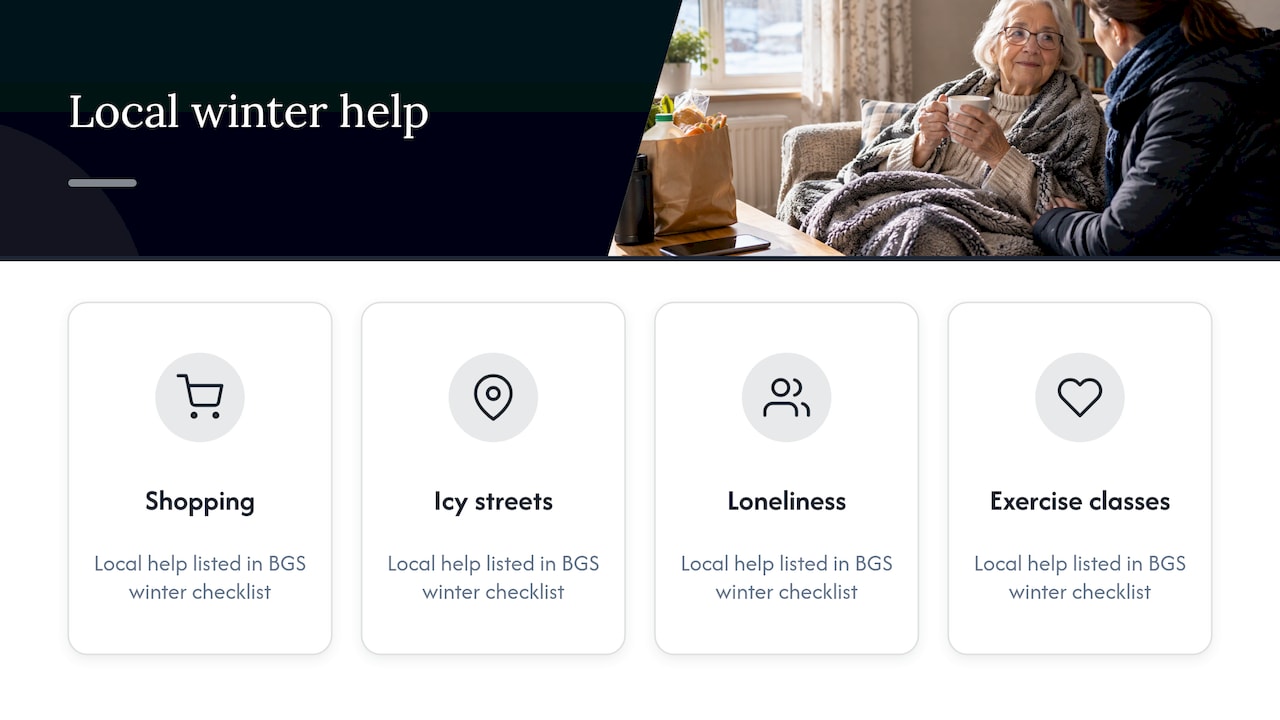
The British Geriatrics Society’s winter checklist points professionals to local help with shopping, with icy streets, with loneliness and with exercise classes. Families can do the same: line up who will shop, who will phone and who will visit before the first cold snap, rather than during it.
When to get medical help
Know these thresholds before you need them:
- Possible hypothermia: cold skin, shivering (or no shivering), confusion, slurred speech, sleepiness or shallow breathing. Dementia UK calls this a medical emergency: call 999 and warm the person gently while you wait.
- Suspected carbon monoxide poisoning: headaches, dizziness, nausea or breathlessness. Seek urgent advice from NHS 111. Call 999 if the person struggles to breathe, becomes suddenly confused or loses consciousness.
- Suspected gas leak: get everyone outside and call 0800 111 999.
Our guide to handling dementia emergencies helps you stay calm and organised if one happens.
As a winter illness precaution, a winter illness test bundle can be kept at home for when someone develops cold or flu-like symptoms. Anyone frail should still be seen by a GP if they are getting worse.
A weekly winter routine for families
A simple routine beats a long list. This one works whether you live nearby or not:
- Monday: check the thermostat and room thermometer, and the carbon monoxide alarm.
- Daily, same time: a call or visit to offer a hot drink and meal and check clothing and medication.
- Midweek: check food stocks, and book a delivery if bad weather is forecast.
- Weekend: walk the paths with salt or sand, and check shoes and slippers for grip.
- Always: look at the UKHSA alert page when the temperature drops.
If you cannot keep this up alone, that is a reason to bring in support, not a failing. Caring for a parent or partner through winter is tiring, and respite cover means you can rest knowing someone qualified is there.
How home care helps through the winter
We are a CQC-regulated domiciliary care agency and have supplied home care in London for over 30 years. Our carers are qualified and DBS checked. In winter, the services families use most are:
- Call-in visits at regular times, so food, fluids, medication assistance and personal care are covered each day.
- Companionship, which gives someone to talk to on the dark afternoons.
- Shopping and errands, and domestic help, so your relative does not have to go out on icy pavements.
- Live-in care, for round-the-clock support. Our page on live-in care in London explains how it works, and what a live-in carer does day and night sets out the duties.
- Dementia care and palliative care, personalised around the individual.
- Respite cover, for family carers who need a break.
If your relative has dementia, see our page on dementia care at home in London. To see every service in one place, visit our home care services page, or contact Kells to talk about what your family needs this winter.
Our perspective
We have supplied home care in London for over 30 years, and our view is simple: winter problems rarely start with one big event. They start with a heating switched off to save money, a meal skipped, a walk cancelled because of the ice, and nobody noticing for a week.
That is why we believe in regular, familiar visits. A carer who comes at the same time each day, knows the person and the home, and helps with meals, drinks, medication and company is in the best position to see small changes. Our care is built around the individual, because a person with dementia, a person recovering from illness and a person who is simply frail need different things.
We want older people to keep their independence, dignity and freedom of choice through the coldest months, and we want families to be able to rest knowing their relative is looked after at home.
Dan
FAQ
What temperature should an older person’s home be in winter?
Age UK and the NHS advise heating the rooms used most, such as the living room and bedroom, to at least 18°C. For someone with dementia, Dementia UK and Alzheimer’s Society suggest 18 to 21°C in the main living area. Use a thermometer to check rather than relying on how the person says they feel.
How can I tell if my parent is too cold if they will not say so?
Check the room with a thermometer, and with their permission feel the back of the neck, as Dementia UK advises. Cold hands and feet alone do not prove a low body temperature. Shivering, drowsiness, confusion or slurred speech means call 999.
How can I help if I do not live near my relative?
Agree a daily contact at the same time, line up grocery delivery and a neighbour or friend as a back-up, and consider a personal alarm. Regular call-in visits from a care agency can add a trained person who checks meals, fluids, medication and warmth. You can ask us how visits could be arranged for your relative in London.
What should I do if the carbon monoxide alarm sounds?
Move everyone outside into fresh air and call the National Gas Emergency Service on 0800 111 999 from a safe place. If anyone has headaches, dizziness, nausea or breathlessness, seek urgent advice from NHS 111, and call 999 if they struggle to breathe, are suddenly confused or lose consciousness.
Sources
- GOV.UK: Supporting vulnerable people before and during cold weather
- GOV.UK: UKHSA cold-health alerts winter 2026/27
- NHS: Stay well this winter leaflet
- Age UK: Winter wrapped up guide
- NICE: Helping to prevent winter deaths and illnesses associated with cold homes
- Dementia UK: Keeping warm in cold weather
- Alzheimer’s Society: Gas, heating and energy tips
- Alzheimer’s Society: Seven ways to support a person with dementia in cold weather
- ADSS: Be Winter Ready
- British Geriatrics Society: Preparing for winter