TL;DR:
- Supporting independence involves providing personalized assistance that enhances capability while preserving dignity and social connections.
- Practical strategies include promoting choice, implementing gradual safety adaptations, encouraging physical activity, and practicing patience to foster confidence.
- Technology like wearables, smart dispensers, and voice assistants can augment safety and social connection when introduced thoughtfully and one at a time.
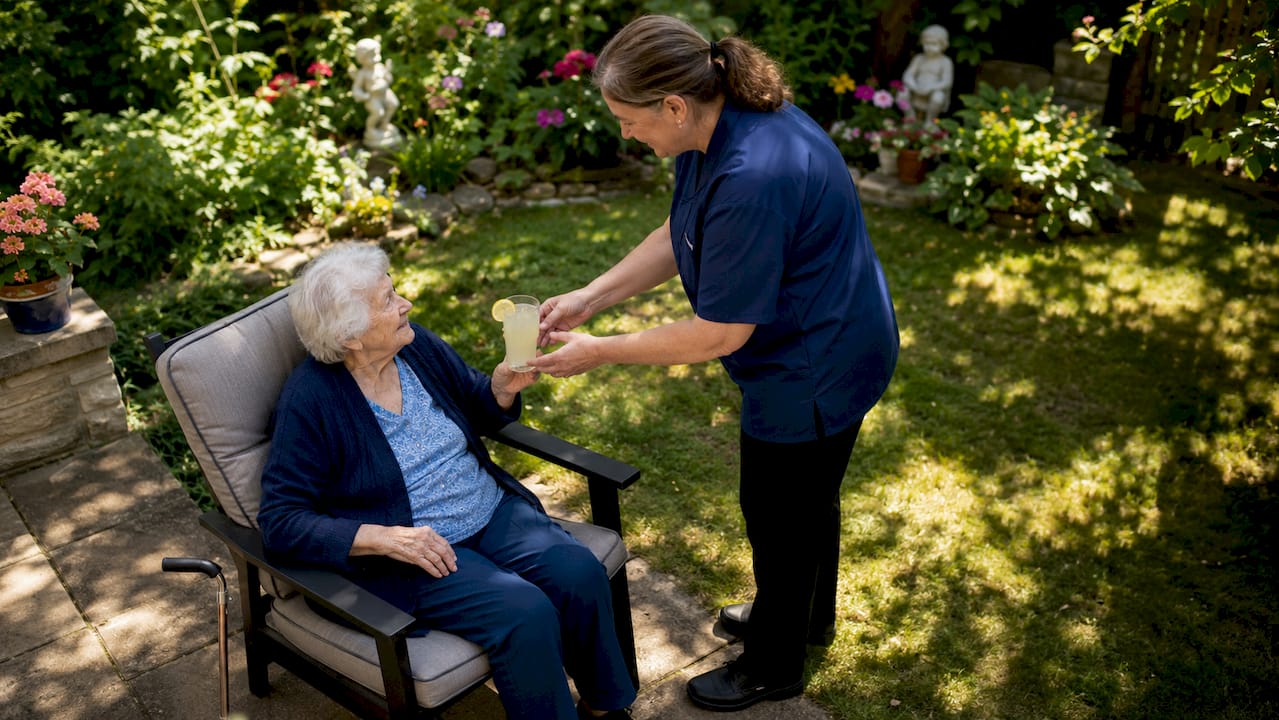
Supporting independent living is defined as providing personalised assistance that maximises a person’s capability while preserving their dignity, choice, and social connections. This is not about doing everything for someone. It is about giving them the tools, environment, and confidence to do as much as possible for themselves. Whether your loved one is ageing at home or living with a disability, the right combination of practical strategies, assistive technology, and professional support can make an enormous difference. This guide covers the most effective ways to support elderly independence without undermining the confidence that makes it possible.
How to support independent living at home: practical strategies for families
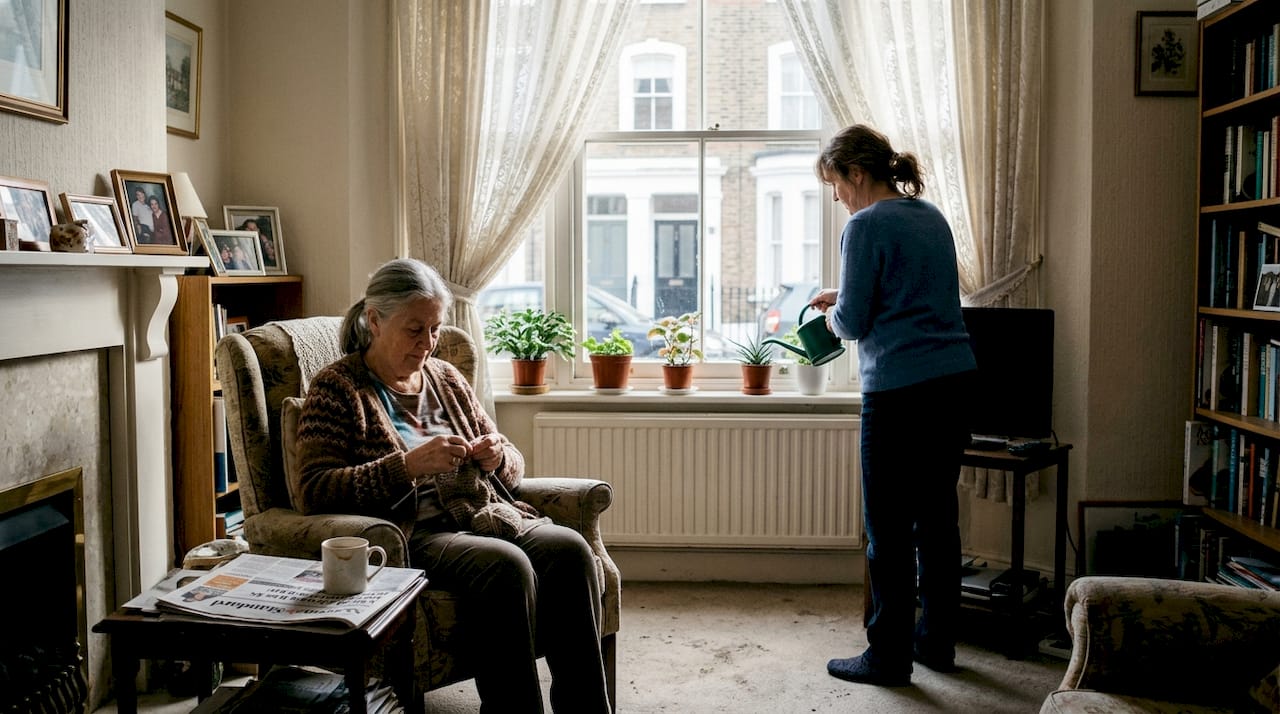
Supporting a loved one’s independence begins with how you approach everyday moments. The goal is to act as a coach rather than a carer, stepping in only where genuinely needed. Matching support to actual needs avoids over-servicing, which can quietly erode a person’s confidence and reduce their capability over time.
Here are four practical steps families can take straight away:
- Promote choice in daily routines. Involve your loved one in decisions about meals, personal care, and daily schedules. Even small choices, such as what to wear or when to take a walk, reinforce a sense of control and self-worth.
- Introduce home safety adaptations gradually. Grab rails and improved lighting improve confidence without making a home feel clinical or restrictive. Start with the bathroom and staircase, where falls are most common.
- Support physical activity consistently. Research shows that 150 minutes of moderate aerobic activity weekly, combined with muscle-strengthening exercises, helps maintain function and slow physical decline. Gentle walks, chair-based exercises, and balance training all count.
- Avoid stepping in too quickly. Allow your loved one time to attempt tasks independently before offering help. Patience here is not passive. It is one of the most active ways to promote client independence at home.
Pro Tip: Keep a simple weekly log of which tasks your loved one manages independently. Reviewing this together builds awareness of progress and highlights where support is genuinely needed rather than assumed.
Falls are one of the most significant threats to elderly independence. More than 25% of older adults fall annually, yet falls are highly preventable through routine home checks and balance exercises such as Tai Chi. Addressing fall risk is not just about safety. It is about protecting the freedom to stay at home.
How can technology improve elderly independence and safety?
Digital health and smart home technologies play a growing role in extending independent living. A 2026 JMIR study found that personalised technology with support systems can support safety, medication adherence, and chronic disease management for older adults living at home. The key word is personalised. A device that works brilliantly for one person may confuse or frustrate another.
The most useful categories of assistive technology include:
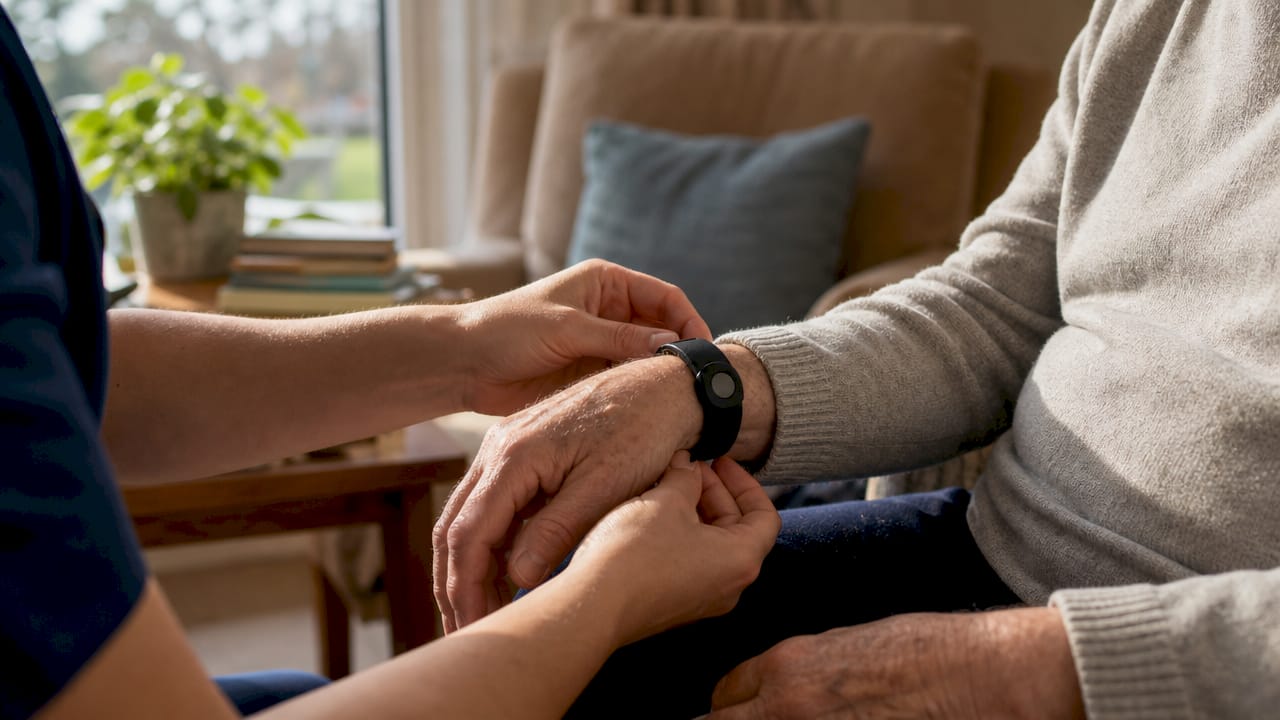
- Wearable health monitors: Devices such as the Apple Watch or dedicated fall detection pendants alert emergency contacts automatically when a fall or health event is detected.
- Smart medication dispensers: Products like Pivotell or Hero dispense the correct dose at the correct time and send alerts if a dose is missed. This is particularly valuable for people managing multiple conditions.
- Voice-activated assistants: Amazon Echo and Google Nest allow users to set reminders, make calls, and control lighting or heating without needing to move around the home.
- Video calling platforms: Regular face-to-face contact via Zoom or FaceTime reduces isolation and allows family members to check in visually without being physically present.
Older adults are generally open to using new technologies when those technologies solve a specific, felt problem such as medication management or fall detection. The barrier is rarely willingness. It is usually poor setup or lack of ongoing support. Arrange a proper introduction session with any new device, and follow up within the first week to troubleshoot any difficulties.
Pro Tip: Choose one technology at a time. Introducing several devices at once is overwhelming. Start with the tool that addresses the most pressing safety concern, and add others once the first is comfortable.
| Technology type | Primary benefit | Best suited for |
|---|---|---|
| Wearable fall detector | Automatic emergency alert | Those at high fall risk |
| Smart medication dispenser | Dose accuracy and reminders | Multiple medication users |
| Voice-activated assistant | Hands-free home control | Limited mobility or dexterity |
| Video calling platform | Social connection and visual check-ins | Those living alone |
For guidance on medication management at home, Kells-care has a dedicated practical resource covering adherence tools and annual review processes.
What care and community resources support independent living?
Professional and community-based support extends what families can provide on their own. Domiciliary care services enable older adults to remain at home safely while maintaining their established routines and preferences. This model of care is built around the individual, not around institutional schedules.
Key resources to consider include:
- Visiting or live-in carers: A professional carer can assist with personal care, meal preparation, and medication without taking over the person’s daily life. The level of involvement is tailored to what is actually needed.
- Community social groups: Local Age UK branches, faith groups, and council-run activity centres provide regular social contact. Isolation is a direct threat to both mental health and physical function, so structured social activity is not optional. It is part of the care plan.
- Occupational therapy assessments: An occupational therapist can assess the home environment and recommend specific adaptations and equipment, removing guesswork from the process.
- Carer support networks: Organisations such as Carers UK offer guidance, respite options, and peer support for family members who are providing regular care.
For families supporting a loved one with dementia, home-based dementia care has been shown to preserve dignity and independence more effectively than residential alternatives in many cases. The familiar environment reduces disorientation and supports retained routines.
Integrating paid carers with family support works best when roles are clearly defined. Overlapping responsibilities or conflicting approaches create confusion for the person being supported. A structured plan resolves this.
How to create a personalised independent living support plan
A personalised support plan is the practical document that holds everything together. True independence incorporates a personalised support system that preserves dignity and choice even when assistance is necessary. Without a written plan, support tends to drift towards doing too much or too little.
Start by assessing current capabilities honestly. What can your loved one do independently today? What requires prompting? What requires physical assistance? This baseline shapes everything else.
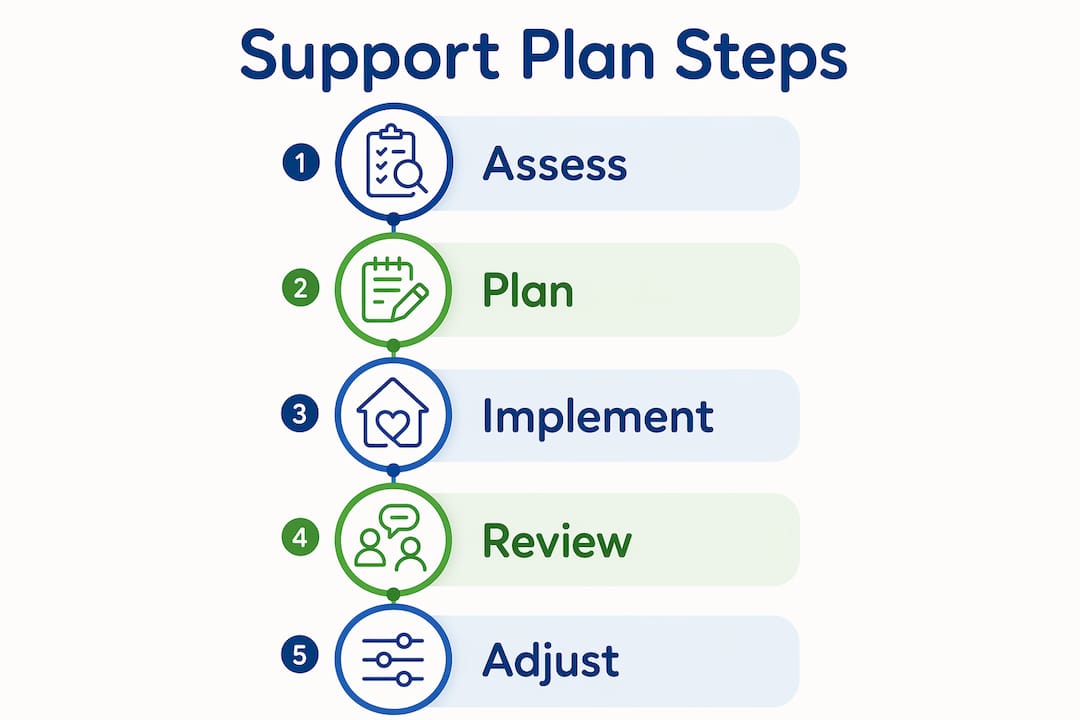
From there, build a roster of care. A detailed roster of care is a living document that specifies who provides which type of support, at what time, and how often. It prevents duplication, clarifies expectations, and makes it easier to spot gaps. Review it at least every three months, or sooner if the person’s needs change significantly.
The table below contrasts two common approaches to planning:
| Approach | What it looks like | Outcome |
|---|---|---|
| Reactive support | Help is provided when something goes wrong | Needs escalate; confidence declines |
| Proactive planned support | Regular reviews, clear roles, matched to current needs | Stability maintained; autonomy preserved |
Set realistic but high expectations. The plan should reflect what the person can achieve with appropriate support, not what feels easiest for the family. Coaching someone through a task they find difficult builds capability. Doing the task for them removes it.
Pro Tip: Involve your loved one directly in creating the plan. Their priorities may differ from yours. A plan built around their goals is far more likely to be followed consistently by everyone involved.
For a personalised care approach that reflects individual goals, Kells-care’s tailored care planning process is designed around exactly this model.
Key takeaways
Supporting independent living requires a combination of matched support, safety adaptations, and regular review rather than any single intervention.
| Point | Details |
|---|---|
| Match support to actual needs | Over-helping reduces confidence; start with what the person manages alone. |
| Adapt the home environment | Grab rails, good lighting, and fall prevention measures protect freedom to stay at home. |
| Use technology selectively | Introduce one assistive device at a time, starting with the most pressing safety need. |
| Build a roster of care | A written, regularly reviewed plan prevents gaps and avoids conflicting support. |
| Include community resources | Social groups, occupational therapy, and domiciliary care extend what families provide. |
What I have learned about supporting independence without taking it away
Over the years of working in and around home care, the most common mistake I see families make is not neglect. It is over-involvement. The instinct to protect a loved one is entirely understandable, but acting on it without a plan often produces the opposite of what everyone wants.
I have seen people lose the ability to make their own breakfast not because of physical decline, but because a well-meaning family member started doing it for them every morning. Within months, the skill and the habit were gone. That is a real loss, and it is preventable.
The shift from caregiver to coach is not just a mindset change. It is a practical discipline. It means sitting with the discomfort of watching someone struggle with a task, knowing they can manage it, and resisting the urge to step in. It means asking “what do you want to do today?” before deciding what help to offer.
Technology helps, but only when it is introduced thoughtfully. I have seen a single well-chosen device, a medication dispenser or a fall alert pendant, give a family genuine peace of mind without changing the person’s daily experience at all. That is the standard to aim for.
The families who do this well share one quality. They believe in their loved one’s capability, even when it is not obvious. That belief, expressed through patience and a good plan, is the most powerful support tool available.
— Dan
How Kells-care can support your loved one’s independence
If you are looking for professional support to complement your family’s efforts, Kells-care has been providing personalised home care across London for over 30 years. Our carers are fully qualified, DBS checked, and regulated by the Care Quality Commission. We offer flexible visiting care and live-in options tailored to your loved one’s specific needs and routines, always with dignity and choice at the centre. Download our free home care guide to understand your options, or explore our domiciliary care services to find the right level of support for your family.
FAQ
What does supporting independent living actually mean?
Supporting independent living means providing personalised assistance that enables a person to live with autonomy and dignity, not doing everything for them. The goal is to maximise what the individual can do themselves while filling genuine gaps in capability or safety.
How can I improve elderly mobility at home?
Regular balance exercises such as Tai Chi, combined with 150 minutes of moderate aerobic activity weekly, are shown to maintain and improve elderly mobility. Simple home adaptations such as grab rails and non-slip flooring also reduce fall risk significantly.
When should I introduce a professional carer?
Introduce a professional carer when the level of support needed exceeds what family members can provide safely and consistently, or when the person’s needs are changing faster than the current plan can accommodate. Starting with visiting care and adjusting frequency over time reduces stress for everyone.
What technology is most useful for elderly independence?
Wearable fall detectors, smart medication dispensers such as Pivotell, and voice-activated assistants such as Amazon Echo are among the most practical tools. Choose based on the most pressing safety or daily living challenge rather than general popularity.
How often should a support plan be reviewed?
A personalised support plan should be reviewed at least every three months, or immediately following any significant change in health, mobility, or living circumstances. Regular reviews prevent the plan from becoming outdated and ensure support remains matched to actual needs.