

The best support at home for someone with bipolar disorder is steady and practical. It means a predictable daily routine, help with medication and appointments, a written plan for a crisis, and a family that has also looked after its own wellbeing. You do not need clinical training to do this. You need patience, a few good habits and, when the load grows, the right extra hands. In London, our carers can provide that help in the home, alongside the person’s GP and mental health team.
TL;DR
- Keep sleep, meals and activity as regular as you can. Routine is one of the most useful things a family can offer, according to Bipolar UK.
- Help with practical tasks: prescriptions, reminders to take medication as prescribed, batch cooking, and lifts to appointments.
- Agree a crisis plan while your relative is well. In a mental health crisis, call NHS 111 and choose option 2. Call 999 if life is at risk.
- Carers have a right to a carer’s assessment from their local council, even if the person they support has not had one.
- Paid home care can take on the daily tasks so that family time stays family time.
Table of Contents
- What support at home actually looks like
- Build a steady daily routine
- Help with medication and appointments
- Plan ahead while things are calm
- If someone is in crisis or at risk of harm
- Listen, and keep your own limits
- Look after yourself as a carer
- When paid home care can help
- Where multiple sclerosis fits in
- Our perspective
- FAQ
- Sources
What support at home actually looks like
Bipolar disorder involves periods of high mood (mania or hypomania) and low mood (depression), with spells of more settled mood in between. Families often find that what the person needs changes from week to week. In a high phase they may sleep little, spend impulsively or take on too much. In a low phase they may withdraw, stop eating properly or struggle to get out of bed.
Support at home is therefore less about one big intervention and more about many small, reliable ones. Bipolar UK describes practical help such as batch cooking, collecting prescriptions, reminding someone to take medication as prescribed, and driving or accompanying them to appointments. None of these needs medical knowledge. All of them lower the daily pressure on someone who is unwell.
The Royal College of Psychiatrists points out that carers often know the person better than anyone else, so their involvement in care planning and in sharing information with professionals is vital. You are not a bystander. You are part of the care team.
Build a steady daily routine
Bipolar UK suggests families encourage routines around sleep, activity and eating. Disrupted sleep is often an early sign that mood is shifting, so a regular pattern also helps you notice change sooner.
A simple routine might include:
- Fixed waking and bedtimes, including at weekends.
- Regular meals, at roughly the same times each day. Batch-cooked meals in the freezer help on days when cooking feels impossible.
- Daily activity, such as a short walk, gardening or a visit to the local park. It does not need to be strenuous.
- A quiet wind-down hour in the evening, with fewer screens and no difficult conversations.
- Something planned each day that gives structure without pressure, such as a call with a friend or a trip to the shops.
If you want ideas for putting this on paper, our guide to daily care routines for family caregivers shows how a day can be laid out.
Track mood together
Bipolar UK also points families towards mood-tracking resources. A simple daily note of mood, hours slept and any medication taken helps your relative, their GP and their mental health team see patterns. Offer it as something you do together, not a way of checking up on them. Keep it short, so it is still doable on a bad day.
Help with medication and appointments
Taking medication as prescribed is a central part of managing bipolar disorder, and it is also something that is easy to lose track of when mood is low or very high. Your role is to support, not to decide. Dose changes and any decision about stopping medication belong with the prescriber, so if your relative is unhappy with a side effect, encourage them to speak to their GP or psychiatrist rather than stopping alone.
Ways you can help:
- Use a weekly pill organiser and a phone alarm.
- Collect repeat prescriptions before they run out.
- Go to appointments with your relative if they would like you to, and write down questions beforehand.
- Keep a current list of medicines and doses somewhere easy to find.
We have written a caregiver’s guide to managing medication at home and a short piece on five checks before carers start medication reminders. If you would like a carer to prompt medication as part of a regular visit, medication assistance is one of the services we provide.
Plan ahead while things are calm
The best time to plan for a crisis is when no one is in one. Two documents are worth knowing about.
An Advance Choice Document. Bipolar UK suggests families fill out an Advance Choice Document together with the person. It records how they would like to be treated if they become too unwell to decide for themselves. In England, advance statements of this kind are not legal documents, but they can set out care preferences and treatments the person wants to refuse, and they give professionals something clear to refer to.
A crisis plan. This is a practical sheet: early warning signs, what helps, who to call, current medication, and who looks after children, pets or the house if there is a hospital stay. A trial of joint crisis plans, made with the person and their care team, found fewer compulsory admissions and less compulsory treatment. Our guide to writing a mental health crisis plan that works walks through the headings.
Go through both with your relative when they are well, and ask them to sign off what is in them. A plan they helped write is one they are far more likely to accept.
If someone is in crisis or at risk of harm
Know these numbers before you need them:
- NHS 111, option 2: in a mental health crisis, you can speak to a mental health professional at any time of day or night.
- 999: call if there is a risk to life or a risk of physical harm.
If your relative has told you they intend to harm themselves, or you believe they are in immediate danger, do not wait. Call 999, stay with them if it is safe to do so, and remove anything they could use to hurt themselves. Afterwards, tell their GP or mental health team what happened. For more on choosing between the two routes, see our page on 111 or 999 for mental health and support at home.
Listen, and keep your own limits
Supporting someone with bipolar disorder is not always easy. Some days you will be met with irritability, big plans or silence. A few habits help:
- Listen without arguing. During a high or a low, debating a belief rarely works. Acknowledge how they feel, then return to practical things.
- Choose your moments. Raise difficult subjects, such as money or medication, when mood is steadier.
- Say what you can and cannot do. Clear limits protect the relationship. Our reading on setting caregiver boundaries is a good place to start if you find it hard to say no.
- Keep communication open with professionals. With your relative’s consent, share what you observe with their care team.
If you also arrange paid carers, it helps to agree how information will be shared. Our family guide to communicating with carers covers this.
Look after yourself as a carer
Family carers often put their own health last. That wears down patience and, over time, the whole arrangement. Two things are worth knowing.
You have a right to a carer’s assessment. NICE guidance says unpaid carers have a right to an assessment, even if the person they care for does not qualify for support or decides not to have an assessment. Ask your local council’s adult social care team. The MS Society notes that carers may receive support such as a break, or help with transport, housework or gardening. Healthcare staff are also encouraged to tell carers about this right at appointments and hospital stays, so ask your relative’s GP practice too.
Breaks matter. Regular time away prevents isolation and pressure from building. If you notice constant tiredness, short temper or dread, read our five quick checks for caregiver burnout and our piece on carer stress relief. If you are worried about your own mood, speak to your GP.
When paid home care can help
Many families manage well for months or years and then reach a point where the daily load is too heavy. Typical signs are a relative who needs prompting through the day, medication that is regularly missed, meals skipped, or a family member who has become the only person holding everything together.
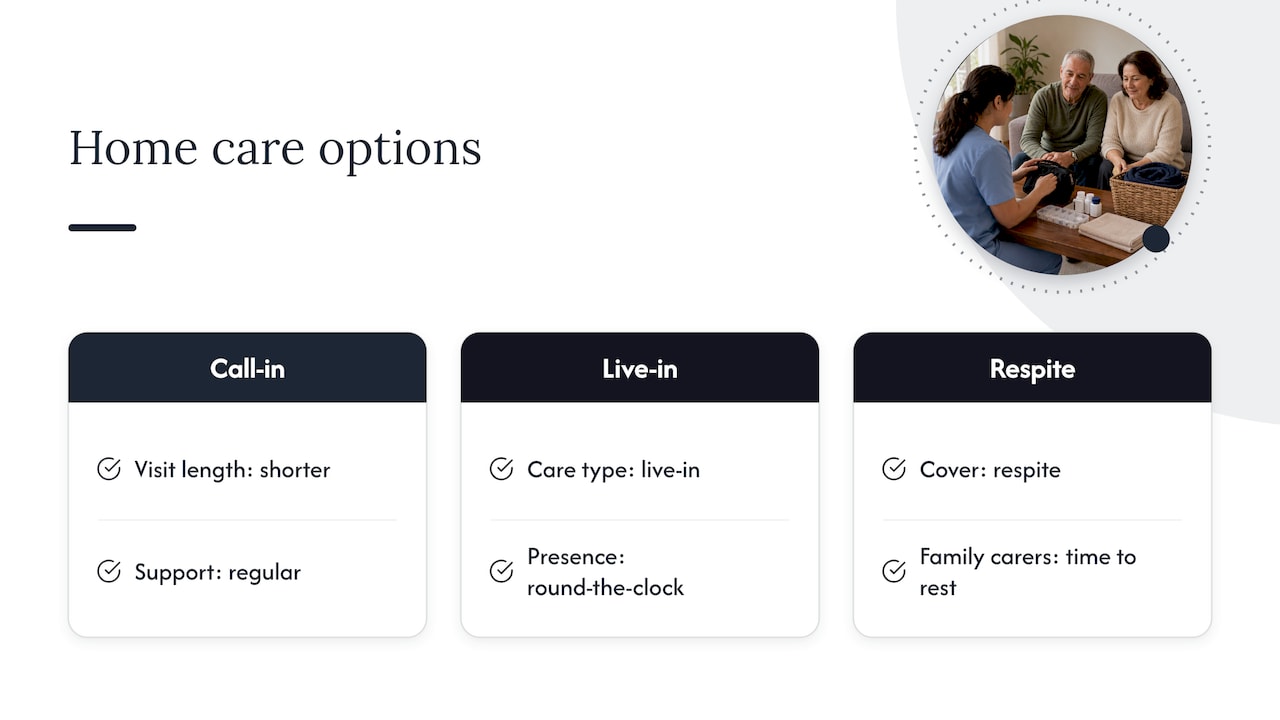
Our London home care services are built around the individual. We offer call-in visits for shorter, regular support, live-in care for round-the-clock presence, and respite cover so family carers can rest. Our services include medication assistance, companionship, personal care, domestic help and errands, and support for people with mental health conditions and for adults and children with disabilities. Our carers are qualified and DBS checked, and we are regulated by the Care Quality Commission (CQC).
If you would like to talk through what could work in your home, see our home care services or start with our free home care guide. To see how a service can be shaped around one person’s needs, read how to personalise home care for your loved one.
Where multiple sclerosis fits in
Some families are supporting someone with multiple sclerosis (MS), a long-term condition of the nervous system, rather than bipolar disorder, and some are dealing with both. The practical principles overlap: keep daily life manageable, plan ahead, and get formal help early.
- Ask for a social care assessment. The MS Society says someone with MS can ask their local council for an assessment to find out which social care services they need.
- Look at equipment and adaptations. Ramps, grab rails and wider doors can help someone stay independent at home, according to the same MS Society guide.
- Think about energy. US Department of Veterans Affairs guidance says mobility aids such as a cane, walker or wheelchair can help, and that an occupational therapist can suggest ways to reduce the energy cost of daily activities.
- Use the right contacts. GPs and MS nurses can give information and practical help, and the MS Society runs an MS Help Hub.
Our carers can help with physical disability, personal care and daily tasks at home in London, so independence is supported as needs change. If you are weighing up longer-term support for a neurological condition, our article on MND care at home shows how we think about planning support that lasts.
Our perspective
In our experience of home care, the families who cope best are the ones who stop treating every day as an emergency and build a rhythm. Regular meals, regular sleep, a clear plan for medication and a named person to call: these are small things, and they make a long illness more manageable.
For over 30 years we have supplied home care to people in their own homes across London. What we aim to protect is quality of life, independence, dignity and freedom of choice. That means supporting your relative to do what they can for themselves, not taking over.
We would also say this to every family: you do not have to carry it alone. A call-in visit to prompt medication, a companion for an afternoon, or respite cover so you can sleep properly are all ways to keep the care at home sustainable. Our carers are qualified, DBS checked and regulated by the CQC, and our services are shaped around the person, not a fixed package.
If you are unsure where to begin, contact us and tell us what a normal day looks like. We will help you work out what support fits.
Dan
FAQ
How do you deal with someone who has bipolar disorder?
Stay calm, listen without arguing, and keep to routines for sleep, meals and activity. Choose a steadier moment to raise difficult subjects. Know your crisis contacts in advance, and take care of your own wellbeing so you can keep going.
What resources are available for parents of adult children with mental health problems?
Start with the GP, who can refer to local mental health services. As a parent you can ask your council for a carer’s assessment, and you can share information with your child’s care team where they consent. Our carers can also provide support at home in London, including companionship, medication assistance and respite cover.
Can family members do anything to help in a crisis?
Yes. Call NHS 111 and choose option 2 to reach a mental health professional, or call 999 if there is a risk to life or physical harm. If you have a crisis plan or Advance Choice Document, keep a copy to hand and show it to the professionals who attend.
Is an Advance Choice Document legally binding?
In England, advance statements are not legal documents. They still record the person’s preferences, including treatments they want to refuse, and give the care team a clear reference point. Complete it together while your relative is well.
Can home carers help someone with bipolar disorder in London?
Our carers can support people with mental health conditions at home through call-in visits, companionship, personal care and medication assistance. Live-in care and respite cover are also available. Contact us to discuss what would suit your relative and your family.
Sources
- Supporting someone with bipolar, Bipolar UK
- Crisis-planning interventions for people with psychotic illness or bipolar disorder
- Effect of joint crisis plans on use of compulsory treatment
- Caring for someone with a mental illness, Royal College of Psychiatrists
- What to do in a mental health crisis, Tees Esk and Wear Valleys NHS Foundation Trust
- Supporting adult carers, NICE guideline NG150
- Supporting someone with MS, MS Society
- Energy Management and Daily Living in Multiple Sclerosis, US Department of Veterans Affairs
- Caregiver Boundaries With Parents: A Practical Guide