
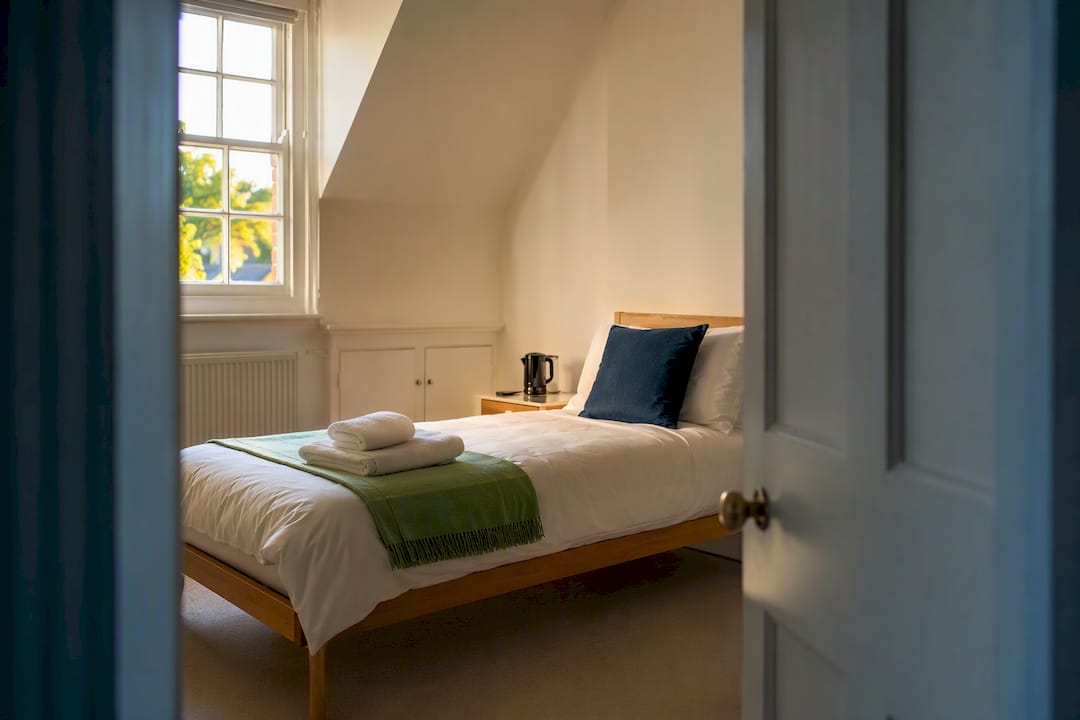
A live-in carer must have a private bedroom for sole use; that’s the one non-negotiable in every credible framework for live-in care. Everything else, from bathroom access to meal arrangements, is about reasonable comfort and rest rather than fixed rules. Families preparing a home should expect to provide bathroom access, proper heating and ventilation, storage, wifi, and a fair opportunity for food and downtime, guided by NICE’s principles on supporting adult carers and the practical experience of agencies like Kells Domiciliary Care.
TL;DR:
- A live-in carer must have a private, lockable bedroom with essential furnishings like a proper bed, clean bedding, a wardrobe, a mirror, and adequate lighting and ventilation.
- Sharing a bathroom is acceptable if arrangements are predictable and respectful, but a private bathroom is preferable once mobility or privacy needs increase.
- Meal routines should be clearly agreed upon in writing, with transparent rules on kitchen access, food labeling, and dietary considerations to prevent conflicts.
- The carer is entitled to uninterrupted overnight sleep, reasonable daytime breaks, and planning for emergency night support, all documented in the care plan and regularly reviewed.
- Small home adaptations such as grab rails, non-slip flooring, and good lighting can prevent most risks, with more complex needs requiring professional assessments and possible funding from local authorities.
Table of Contents
- Room basics: the private bedroom and its minimum furnishings
- Does a live-in carer need their own bathroom?
- Food and kitchen access: who provides meals and how to arrange it
- Sleep, breaks and reasonable rest: protecting the carer’s downtime
- Safety and home adaptations: what the house should provide
- House rules, privacy and practical household matters
- Legal and employment essentials in the UK: pay, accommodation and entitlement basics
- Preparing the first day and handover checklist
- What thirty years of home care in London teaches you about carer rooms
- How Kells can help you get the room right
- Sources
- FAQ
Room basics: the private bedroom and its minimum furnishings
“Private” means exactly what it sounds like: a room with a door that closes, used by nobody else, and never treated as a corridor to another part of the house. It shouldn’t double as a storage room, a study, or somewhere the family pops in and out of during the day. The carer needs somewhere they can shut the door and switch off, even briefly.
The room doesn’t need to be large or expensively furnished, but it does need certain basics covered:
- A proper bed and mattress, not a sofa bed or fold-out
- Clean bedding, with spares provided or laundry access arranged
- A wardrobe or chest of drawers for clothes
- A bedside light and a chair
- A mirror
Beyond furniture, the environment matters just as much. Working heating, decent ventilation, curtains or blinds that actually block light, and a wifi connection are all reasonable expectations, not luxuries. A live-in carer is working long, often unpredictable hours, and a room with no phone signal or intermittent heating in December is not going to support anyone through a winter placement.
Small touches go further than families often assume: fresh towels waiting on arrival, easy kettle access, a spare charger cable. Comfort and predictability matter more than size or décor, according to guidance on preparing a comfortable, practical carer’s room, and that lines up with what Kells Domiciliary Care sees across London households.
Pro Tip: Walk into the room yourself and imagine spending twelve hours off duty inside it. If you’d feel uncomfortable, the carer will too.
Does a live-in carer need their own bathroom?
A private bathroom is the preferable arrangement, but it isn’t always required, and plenty of successful live-in placements run on a shared bathroom with clear ground rules. What matters is that the sharing arrangement is workable, predictable, and respectful of everyone’s privacy.
Where a bathroom is shared, a few practical steps prevent most friction:
- Labelled towels and a designated shelf or cabinet space for toiletries
- Agreed timing, particularly around morning and evening routines
- Lockable storage for personal items where space allows
- Simple adaptations for safety, such as raised toilet seats or grab rails, where the person being cared for needs them
Shared facilities stop being practical once mobility or continence needs make timing unpredictable, or once privacy simply can’t be maintained for either party. At that point, a private bathroom, even a small en suite or converted downstairs WC, becomes worth prioritising.
Food and kitchen access: who provides meals and how to arrange it
Meal arrangements cause more quiet friction than almost anything else in a live-in placement, usually because nobody agreed the details upfront. Three models tend to work, each with trade-offs.
The household can provide meals as part of the arrangement, which suits families who already cook regularly and want the carer included at the table. Alternatively, the carer buys and prepares their own food, keeping it separate, which gives everyone more independence but needs dedicated fridge and cupboard space. A hybrid, where some meals are shared and others are the carer’s own, often works best in practice.
Whichever model you choose, put it in writing:
- Label food clearly if fridge space is shared
- Agree specific hours for kitchen access, especially in smaller kitchens
- Record any dietary requirements, allergies, or preferences for both carer and client
Clarity here isn’t a small thing. Ambiguity about food is one of the most common sources of resentment in live-in arrangements, and it’s entirely avoidable with a five-minute conversation before day one.
Sleep, breaks and reasonable rest: protecting the carer’s downtime
Every live-in carer needs an uninterrupted sleep period built into the daily plan, typically an uninterrupted period of sleep overnight, plus reasonable breaks during the day. This isn’t a gesture of goodwill. It’s a functional necessity, since fatigued carers make more mistakes and burn out faster.
Night calls need a plan agreed in advance, not worked out at 2am. Some households arrange a “sleep-in” understanding where the carer is only woken for genuine emergencies; others need more frequent night support, in which case agency cover or a second carer on rotation may be the more realistic option. NICE guidance is explicit that recognising carers’ need for privacy and rest is part of good support, not an optional extra.
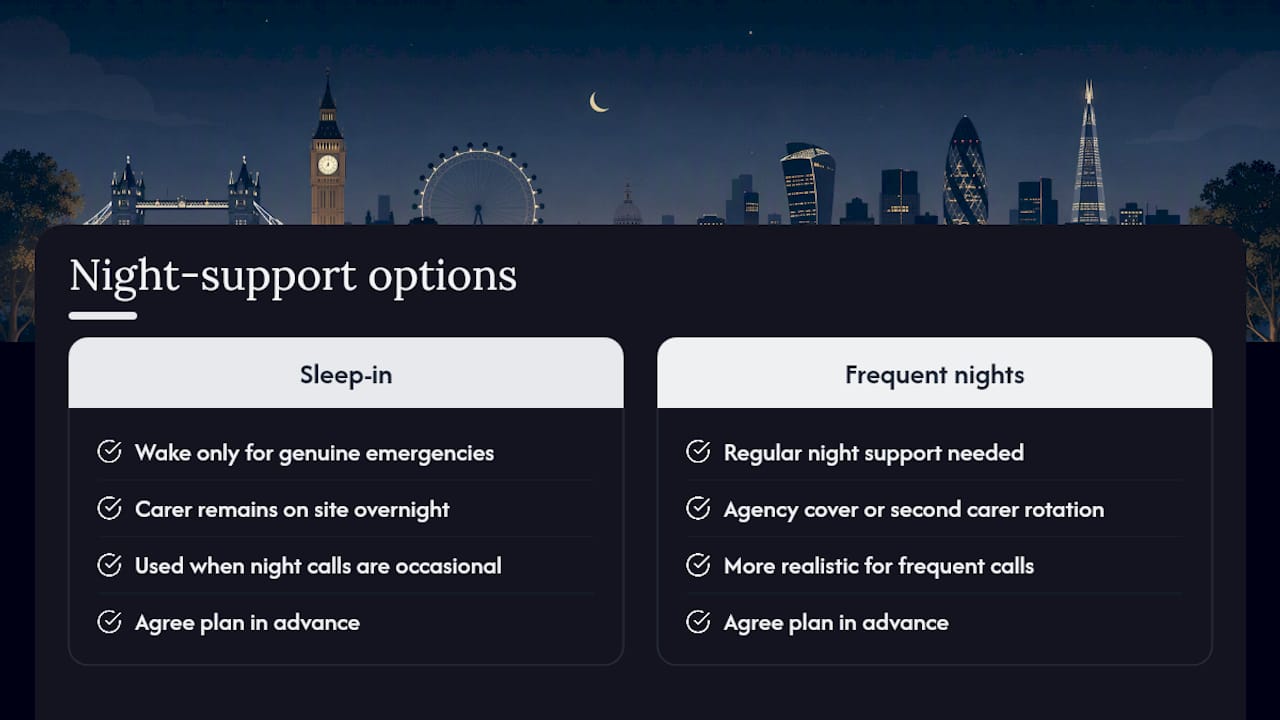
Whatever you agree, write it into the care plan and set a date to review it. Needs change, and so does what counts as reasonable rest.
Safety and home adaptations: what the house should provide
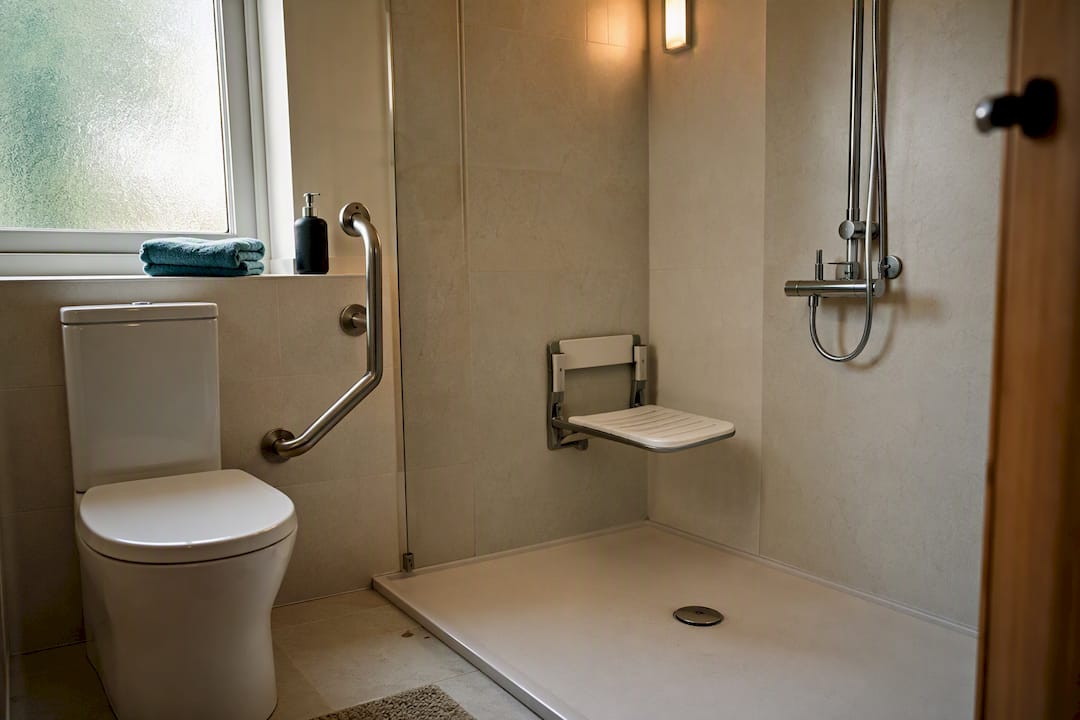
Most homes need small, low-cost fixes before a live-in carer starts, not major building work. Grab rails near the bath and toilet, non-slip mats, clear walkways free of trailing cables or loose rugs, and good lighting on stairs cover a large share of everyday risk.
Where needs are more complex, specialist equipment such as hoists or profiling beds may be necessary, and that’s usually a funding conversation as much as a practical one. In England, the disabled facilities grant is the main route for funding larger adaptations, and contacting the local council early avoids delays once the need becomes urgent.
- Grab rails, ramps, and stairlifts are commonly recommended through NHS-linked adaptation guidance
- Non-slip flooring and clutter-free routes reduce fall risk significantly
- Bathroom adaptations often need a professional assessment before installation
Pro Tip: If you’re unsure what equipment is genuinely needed versus nice to have, our guide to equipment for elderly care at home breaks it down room by room.
The NHS’s own guidance on home adaptations is worth reading before you buy anything, since some equipment is available through local authority assessment rather than private purchase. It’s also worth being honest about when needs have moved beyond what live-in care can safely cover. Complex nursing needs, such as regular clinical monitoring, sometimes call for a different kind of support entirely.
House rules, privacy and practical household matters
A short, written set of house rules protects everyone, and it takes ten minutes to draft. Cover these points before the carer’s first day:
- Keys and security: who has a set, and what the process is if the carer is out
- Visitors: whether the carer can have guests, and any rules around overnight stays
- Valuables and locked rooms: which areas of the house are off-limits, if any
- Wifi passwords, phone charging points, and where toiletries and laundry are kept
- A simple shared system, even a notebook or a family WhatsApp group, for daily handover notes
None of this needs to be formal or cold. It’s simply easier to agree boundaries once than to renegotiate them awkwardly three weeks in.
Legal and employment essentials in the UK: pay, accommodation and entitlement basics
Live-in care sits inside a specific employment framework, and getting the basics right protects both the family and the carer. National minimum wage rules apply, though where accommodation is provided, an accommodation offset can reduce the cash wage owed without falling foul of the law, provided it’s calculated correctly against the official minimum wage rates.
Statutory sick pay obligations also apply where the carer is directly employed rather than supplied through an agency, and this is an area where many families benefit from formal payroll advice rather than guesswork.
The regulations governing houses in multiple occupation include specific provision for when a carer and the person they support are treated as a single household for statutory purposes, which affects how certain rules apply to the property.
That single detail from the HMO regulations surprises a lot of families, and it’s exactly the sort of thing worth checking before assuming standard tenancy law applies to a live-in arrangement.
- Confirm whether the carer is agency-supplied or directly employed, since obligations differ
- Calculate any accommodation offset against current minimum wage rates, not last year’s
- Apply for a needs assessment or disabled facilities grant early if adaptations are likely
Preparing the first day and handover checklist
The first day sets the tone for everything that follows, so it’s worth treating as an actual checklist rather than winging it.
- Prepare the room: fresh bedding, clean towels, wifi details written down, kettle and mugs accessible
- Hand over medical essentials: medication list and timings, mobility needs, GP and pharmacy details, emergency contacts
- Walk through the house: show how any equipment works, where things are kept, and daily routines
- Set a first review date, usually within a week, and confirm who the carer can contact if something goes wrong
Pro Tip: Write the handover details down, even the ones you’ve already said out loud. A tired new carer on day one will remember far less than you think.
What thirty years of home care in London teaches you about carer rooms
Kells Domiciliary Care has been arranging home care across London for over 30 years, and the pattern is consistent: placements succeed or fail on small things, not big ones. A working heater in October, a fridge shelf that’s actually free, a bedroom door that closes properly.
Families sometimes assume adaptations mean expensive building work. Often it’s a grab rail and better lighting. Our carers are fully qualified and DBS checked, and where a home needs a proper adaptation plan, we help families work through what a needs assessment should actually cover before they spend money on the wrong thing.
— Dan
How Kells can help you get the room right
This is a practical alternative to guessing your way through this: rather than piecing together advice from forums and product pages, you get a CQC-regulated agency that has been arranging live-in placements across London for more than 30 years, with carers vetted before they ever step into a client’s home.
If you’re not sure whether your home is ready, or what level of care is actually needed, our needs assessment process talks you through it properly rather than leaving you to work it out alone. For a broader planning tool, our free home care guide covers the practical decisions families face before a carer’s first day, from room setup to daily routines. Download the guide or get in touch to arrange a needs assessment, and you’ll have a clear plan before anyone moves in.
This article is general information, not a substitute for advice from a qualified doctor. Consult a qualified healthcare professional about your own circumstances before acting on anything here.
Sources
- Supporting adult carers (NICE guidance)
- Apply for a disabled facilities grant
- Home adaptations – NHS
- The Licensing and Management of Houses in Multiple Occupation and Other Houses (Miscellaneous Provisions) (England) Regulations 2006
FAQ
What are the rules for live-in carers?
There’s no single legal rulebook, but consistent practice requires a private bedroom, reasonable bathroom access, adequate sleep and breaks, and fair access to food, alongside standard employment rules around minimum wage and sick pay where the carer is directly employed.
Do live-in carers need their own bathroom?
A private bathroom is preferable but not strictly required; a well-managed shared bathroom with clear timing and storage rules works for many households, though it becomes impractical once mobility or continence needs make sharing unpredictable.
How much should I pay a live-in carer in the UK?
Pay must meet at least the national minimum wage, with an accommodation offset applying where board is provided; agencies like Kells Domiciliary Care can advise on how this works in practice for a specific arrangement.
What are live-in carers entitled to?
Carers are entitled to a private bedroom, reasonable rest and sleep, statutory sick pay where directly employed, and pay that meets minimum wage rules even after any legitimate accommodation offset is applied.


