
TL;DR:
- Quality of life in home care includes relationships, emotional well-being, and personal dignity.
- Measurement tools like ASCOT, ICECAP-O, and EQ-5D-5L evaluate care outcomes reliably.
- Practical approaches such as reablement and direct payments enhance independence and emotional satisfaction.
Many families seeking home care for an elderly relative or a loved one with a disability focus first on practical tasks: meals, washing, medication. These things matter greatly. But the research is clear that quality of life in home care is multi-dimensional, covering relationships, emotional well-being, personal identity, and measured outcomes like independence and satisfaction. In other words, good home care is about far more than ticking boxes. This guide explains what quality of life really means in a home care setting, how it is measured, and what practical steps you can take to ensure your loved one receives the support that genuinely improves their daily life.
Table of Contents
- What does quality of life mean in home care?
- How is quality of life measured in home care?
- Practical interventions: Enabling independence and well-being
- Quality standards and the role of care providers
- The overlooked truths about quality of life in home care
- Next steps: Find the right support for your loved one
- Frequently asked questions
Key Takeaways
| Point | Details |
|---|---|
| Quality of life is multi-dimensional | It includes emotional, social, and practical aspects beyond basic care needs. |
| Trusted tools help measure outcomes | ASCOT, ICECAP-O, and EQ-5D-5L proxy are validated ways to track improvement and well-being. |
| Family engagement drives results | Active involvement and person-centred planning support independence and satisfaction. |
| High standards matter | Choosing regulated providers with continuity and bespoke care ensures better quality of life. |
What does quality of life mean in home care?
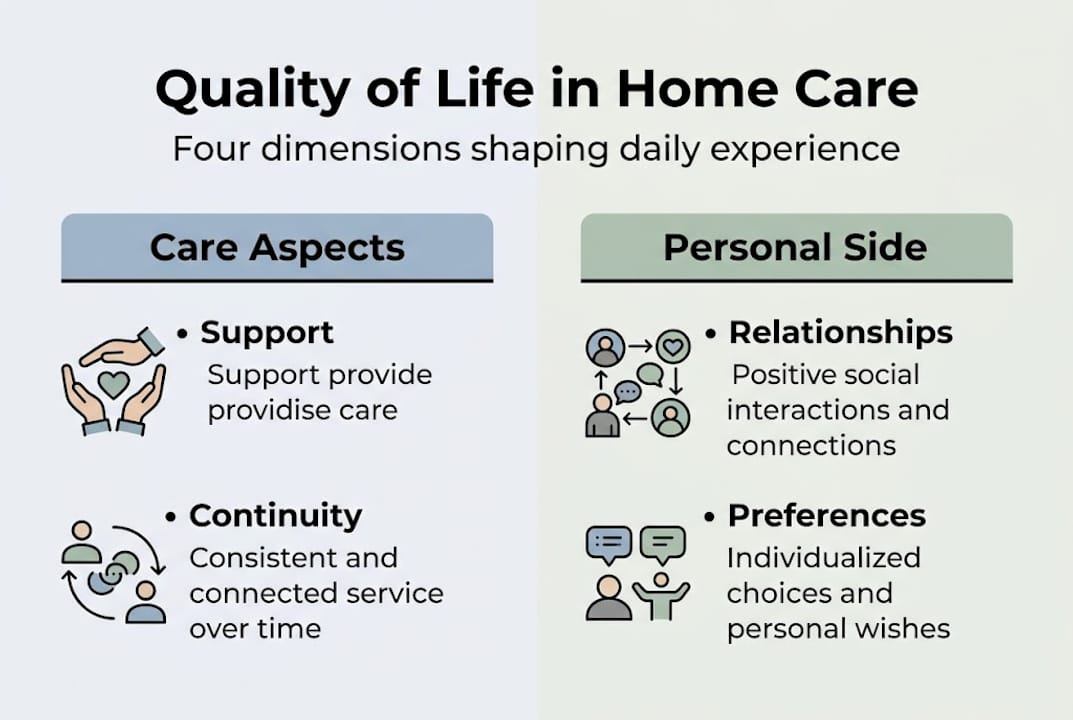
The phrase “quality of life” is used often, but it can feel vague. In the context of home care, it refers to how well a person’s overall life experience is supported, not just their physical needs. Think about what makes life meaningful: feeling safe, maintaining friendships, having choices, and being treated with dignity. For elderly Londoners or those living with a disability, home care has the potential to protect all of these things.
Research confirms that QoL in home care covers four key dimensions: relationships and continuity of care, bespoke and person-centred support, organisational aspects of how care is delivered, and measurable outcomes such as independence and satisfaction. Each of these areas matters. A care package that focuses only on physical tasks but ignores emotional connection or personal preferences will fall short, even if it looks good on paper.
One nuance worth noting is the gap that can exist between how professionals assess quality of life and how recipients actually experience it. Older people’s views on what matters most in their care often differ from what formal assessments capture. Families play a vital role in bridging this gap.
Here are the core elements that define quality of life in home care:
- Emotional well-being: Feeling valued, connected, and free from unnecessary anxiety
- Relationships: Consistent carers who know and respect the individual
- Continuity: Reliable routines and familiar faces that reduce confusion and stress
- Independence: Support that enables, rather than replaces, personal capability
- Choice: Involvement in decisions about daily routines, meals, and activities
- Dignity: Being treated as a whole person, not a list of care tasks
“Good home care is not about doing everything for someone. It is about doing the right things with them, in a way that respects who they are.”
Understanding this helps families have more productive conversations with care providers. You can read more in our domiciliary care guide and explore personalised support options that reflect these values.
Now that we have seen quality of life is not just about basic needs, let us look at how professionals measure and track these improvements.
How is quality of life measured in home care?
Measuring quality of life sounds clinical, but understanding the tools used in UK care settings helps families ask better questions and stay involved in care planning. Three validated measures are widely used across social care and home care services in Britain.
| Measure | What it assesses | Who it suits |
|---|---|---|
| ASCOT | Social care-related quality of life | Adults using social care services |
| ICECAP-O | Capability well-being for older adults | Older people in community settings |
| EQ-5D-5L proxy | Health-related quality of life | Those who need a proxy respondent |
Key QoL tools such as ASCOT, ICECAP-O, and EQ-5D-5L proxy are validated for use in UK care settings, demonstrating good feasibility, internal consistency, and construct validity. This means the results they produce are reliable and genuinely reflect what is happening in a person’s life.
Here is a brief guide to what each one looks at:
- ASCOT (Adult Social Care Outcomes Toolkit): Focuses on eight areas, including control over daily life, personal cleanliness, food and drink, and social participation. It is designed specifically for people using social care services.
- ICECAP-O: Measures capability in five areas: attachment, security, role, enjoyment, and control. It goes beyond health to capture what makes life feel worthwhile.
- EQ-5D-5L proxy: Covers five health dimensions such as mobility, self-care, and anxiety. A proxy version is available for those who cannot self-report, which is useful for people with advanced dementia.
Families do not need to become experts in these tools. However, knowing they exist means you can request that your loved one’s care plan references measurable outcomes. You can also ask care providers how they assess progress over time.
A needs assessment carried out by a professional is often the starting point for identifying which tools and support services are most appropriate.
With measurement tools established, let us explore the practical interventions that can genuinely enhance independence and well-being at home.
Practical interventions: Enabling independence and well-being
Knowing what quality of life means and how it is measured is only part of the picture. The question families ask most often is: what actually works?
One of the most effective approaches is reablement. This is a short-term, goal-oriented service designed to help people regain skills and confidence after illness, injury, or a decline in function. Rather than doing tasks for someone, reablement carers support the person to do as much as possible themselves, rebuilding capability step by step.
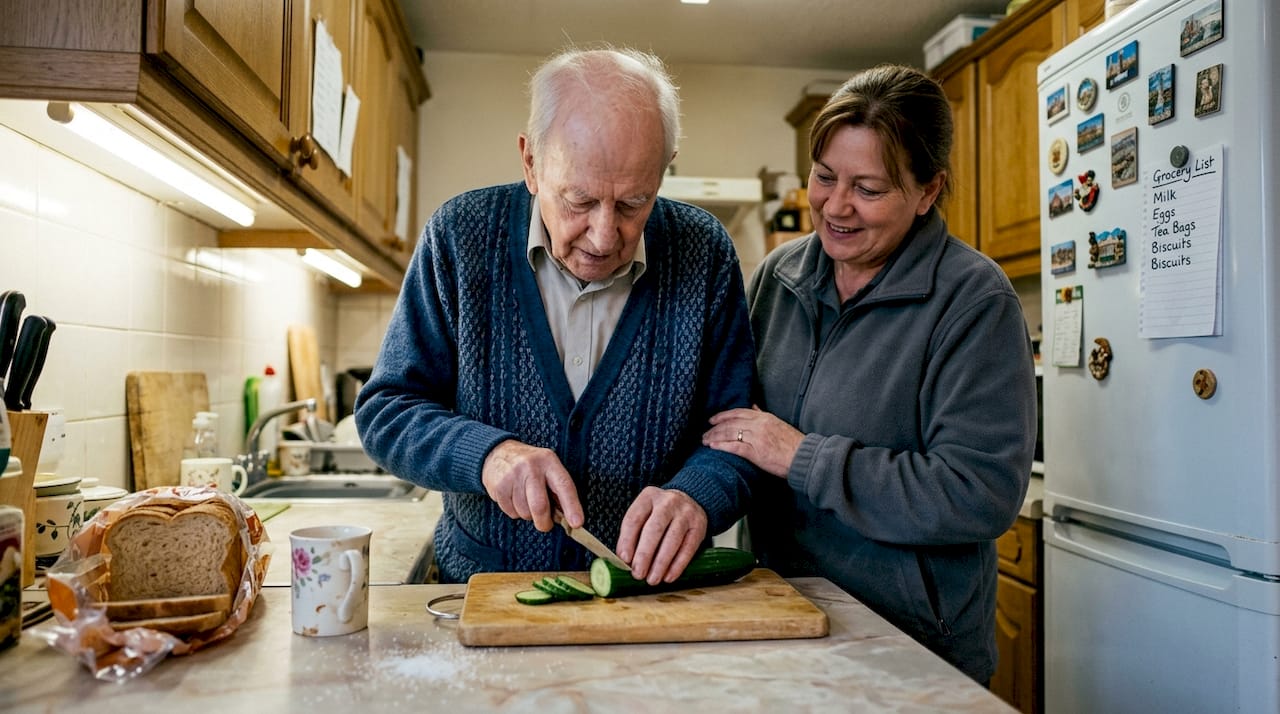
The results are meaningful. Home reablement services show that between 53% and 68% of people leave the programme without needing an ongoing care package, and 36% to 48% sustain independence at two years, with an average 28% reduction in care hours. These are significant outcomes for families concerned about long-term dependency.
Direct Payments are another powerful option. This is where local authorities fund individuals to arrange their own care rather than receiving a pre-arranged package. Direct Payments reduce unmet needs in older adults, particularly for those who are younger or less physically impaired. The flexibility they offer allows individuals to choose carers, set schedules, and shape their own support in a way that matches their values and lifestyle.
Here are the key factors that support better independence outcomes:
- Goal-based planning from the outset of any care package
- Active family involvement in setting and reviewing targets
- Consistent carers who understand personal preferences
- A home environment that supports movement and safety
- Regular reassessment to adapt as needs change
Pro Tip: When speaking with a care provider, ask specifically about goal-based interventions. A care plan should include what the person aims to achieve, not just what tasks carers will perform.
Learn more about why this approach matters in our guide to home care benefits, explore rehabilitation at home for families in London, and understand the broader home care advantages for your loved one.
To complete the picture, let us look at how quality standards and experienced providers shape these results in practice.
Quality standards and the role of care providers
Even the best care framework delivers poor results if the provider is not up to standard. In England, the Care Quality Commission (CQC) regulates all home care agencies. CQC inspects providers against five key areas: safety, effectiveness, caring, responsiveness, and leadership. These are not just bureaucratic labels. They reflect real-world practices that directly affect how your loved one is treated every day.
CQC regulation links high-quality home care to better quality of life through person-centred plans, continuity of care, and cultural fit between carer and client. An agency rated “Outstanding” or “Good” by CQC has demonstrated these qualities under independent scrutiny.
“Regulation sets the floor, not the ceiling. The best providers go well beyond minimum standards to build genuine relationships and deliver care that feels personal.”
When evaluating a provider, look for these signs of quality:
- Person-centred care plans that reflect individual preferences, not just clinical needs
- Continuity of carers, so your loved one sees familiar faces regularly
- Cultural sensitivity, meaning carers understand and respect background, language, and customs
- Transparent communication, with regular updates and openness about any concerns
- Staff training and qualifications, including DBS checks and ongoing professional development
- Flexibility, with the ability to adjust schedules and services as needs change
Understanding the difference between types of providers is also helpful. Our guide to private vs agency care covers this clearly. You can also learn about the role of home carers and how families shape quality home care for their loved ones.
With this understanding of quality standards and care provider practices, it is time to reflect on what is often overlooked in the drive to improve quality of life.
The overlooked truths about quality of life in home care
Policy frameworks and assessment tools are genuinely useful, but they rarely capture everything that matters. At Kells, we have worked with London families for over 30 years, and we have seen the same gap again and again: the emotional and identity-based needs of care recipients are often the last to be addressed.
A care plan might tick every box on paper, yet the person receiving care feels invisible because nobody has asked what music they love, which friends they miss, or how they want their day to start. Subjective views in care reveal that personal identity and emotional needs are central to how people experience quality of life, yet these are the hardest things to assess formally.
Families have more influence here than they realise. By sharing personal history, preferences, and values with a care provider, you shape the care experience in ways no checklist can. Read more about this in our guide on family influence on care.
The home environment itself is another area that deserves attention. Suitable adaptations, such as grab rails, good lighting, and accessible layouts, are foundational to independence. Without them, even excellent personal care cannot reach its potential.
Pro Tip: Schedule a quarterly review with your care provider to update the care plan based on how your loved one’s life is actually going, not just how their health is progressing. Ask open questions about what they enjoy and what they find difficult.
Next steps: Find the right support for your loved one
At Kells Domiciliary Care, we have supported London families for over 30 years with experienced, person-centred home care that genuinely prioritises quality of life. Our carers are fully qualified, DBS checked, and regulated by CQC, ensuring your loved one receives support that is safe, consistent, and deeply personal.
If you are ready to explore your options, our domiciliary care explained guide is a great starting point. For families specifically supporting older relatives, our elderly home care guide offers practical, tailored advice. You can also browse our complete home care services guide to understand the full range of support available in London. Get in touch with our team today for a conversation about what your loved one needs.
Frequently asked questions
How do families measure quality of life in home care?
Families can reference tools like ASCOT, ICECAP-O, and EQ-5D-5L proxy, which assess independence, social well-being, and health outcomes in UK care settings. Asking your care provider which tools they use is a good starting point.
What makes a home care provider high quality?
A high-quality provider uses person-centred care plans, ensures continuity of carers, and is regulated by CQC for safety, effectiveness, and responsiveness. Consistent communication and cultural sensitivity are also strong indicators.
Can home care improve independence for elderly or disabled people?
Yes. Reablement services and goal-based interventions have shown that the majority of people can regain or sustain independence, with many no longer requiring an ongoing care package after short-term support.
Do Direct Payments affect quality of life in home care?
Direct Payments help reduce unmet needs and empower recipients to choose and arrange their own care, though the extent of quality of life improvement can vary depending on individual circumstances.
Recommended
- How families shape quality home care for loved ones – Kells Domiciliary Care
- Home care services: a complete guide for London families – Kells Domiciliary Care
- Why home care matters: Key benefits for independence – Kells Domiciliary Care
- Understanding palliative care at home: a London family guide – Kells Domiciliary Care