TL;DR:
- Home care provides support that enables independence for various needs, including elderly, dementia, and disabilities.
- Different types of home care suit varying needs, such as visiting care, live-in care, and night care.
- Costs and funding options vary, with local authority support, NHS funding, and direct payments available.
Many people assume home care is only for those who are seriously ill or nearing the end of life. In reality, domiciliary care enables independence for a much wider group, including elderly people, those living with dementia, individuals with disabilities, and anyone recovering after a hospital stay. For London families, understanding what home care actually involves can make the difference between a rushed decision and one that truly fits your relative’s needs. This article covers what home care is, the types available, how it works in practice, what it costs, and who benefits most.
Table of Contents
- What is home care? Defining modern domiciliary care
- Types of home care and who benefits most
- How does home care work? Personalisation, plans, and staffing
- Home care for dementia and complex needs
- Costs and funding options for home care in London
- Our perspective: Balancing choice, quality, and independence
- Get started with home care: How we support London families
- Frequently asked questions
Key Takeaways
| Point | Details |
|---|---|
| Personalised support | Home care in London adapts to your loved one’s individual needs and routines for maximum independence. |
| Flexible options available | Visiting, live-in, and dementia-specialist care give families custom choices based on support needs. |
| Plan and fund wisely | Understand assessments, funding thresholds, and provider quality before choosing home care. |
| Know the limits | Home care works best when the home is safe and no intensive medical intervention is needed. |
What is home care? Defining modern domiciliary care
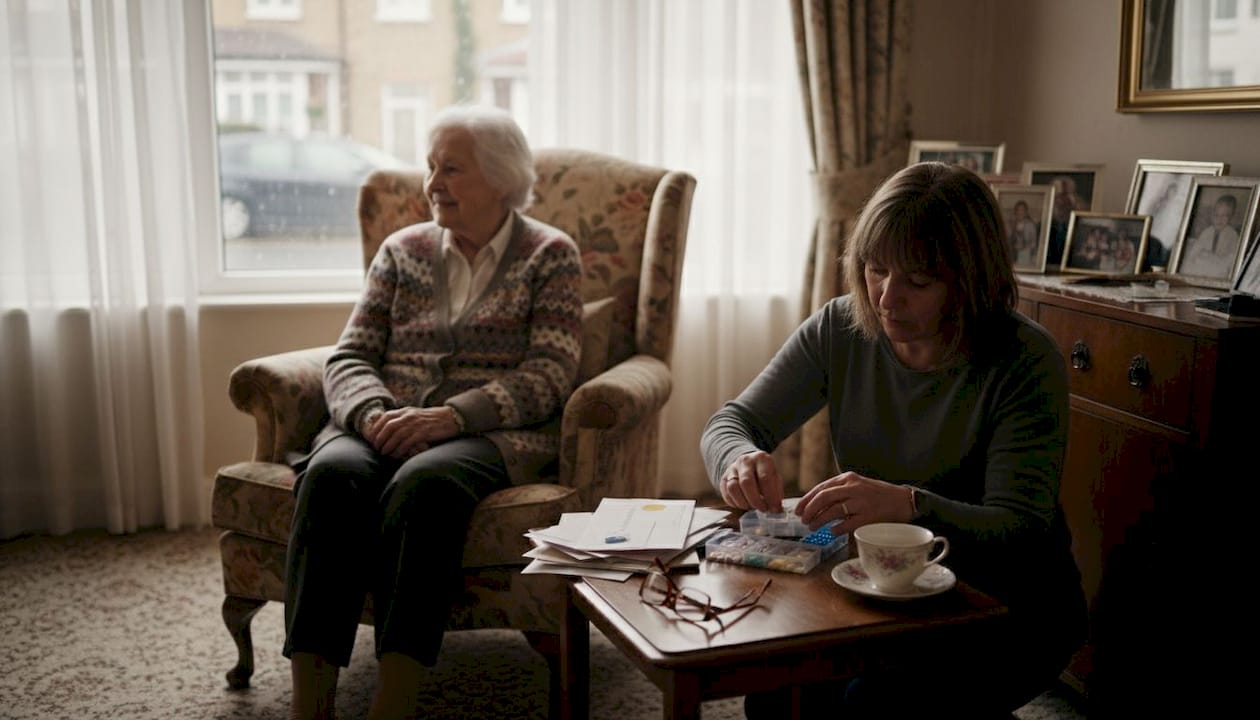
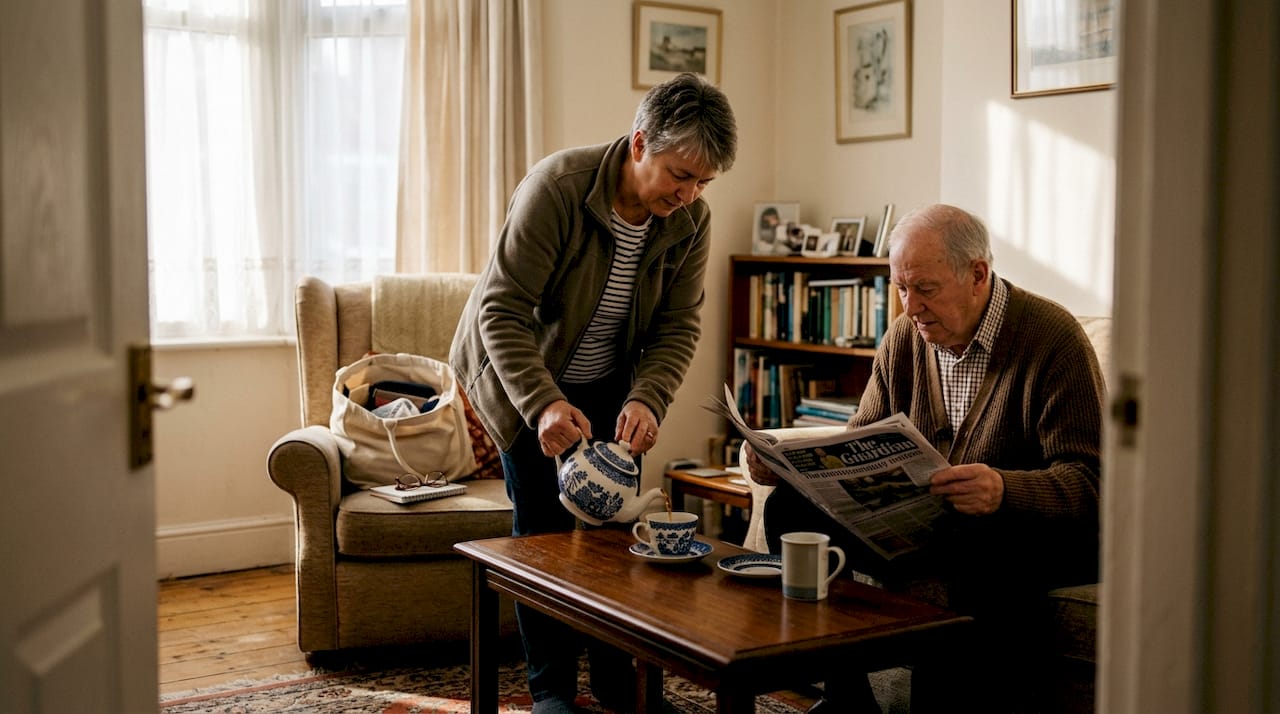
Home care, also called domiciliary care, means professional support delivered in a person’s own home rather than in a care facility. The goal is straightforward: help someone live as independently and comfortably as possible, in surroundings they already know and trust.
Domiciliary care enables independence by providing professional support tailored to each individual’s situation. That support can be light touch, such as a morning check-in visit, or it can be round-the-clock assistance for someone with complex needs. Understanding the domiciliary care basics helps families feel more confident when exploring options.
Common tasks a home carer might assist with include:
- Personal care: washing, dressing, and grooming
- Medication: prompting or administering prescribed medicines
- Meal preparation: planning and cooking nutritious food
- Companionship: conversation, activities, and emotional support
- Mobility: helping with movement around the home safely
Families exploring elderly home care options in London will find two main formats. Visiting care involves a carer attending at agreed times, typically for one to four hours. Live-in care means a carer lives in the home and provides continuous support. The NHS confirms that both visiting and live-in formats benefit people with dementia particularly well.
“Staying at home in a familiar environment reduces distress, supports wellbeing, and preserves the routines that matter most to your relative.”
The advantages of home care over residential options are real and well-documented. People tend to eat better, sleep better, and feel more in control when they remain in their own space.
Types of home care and who benefits most
Understanding the broad definition leads to the next question: what types of home care exist, and who are they best suited to?
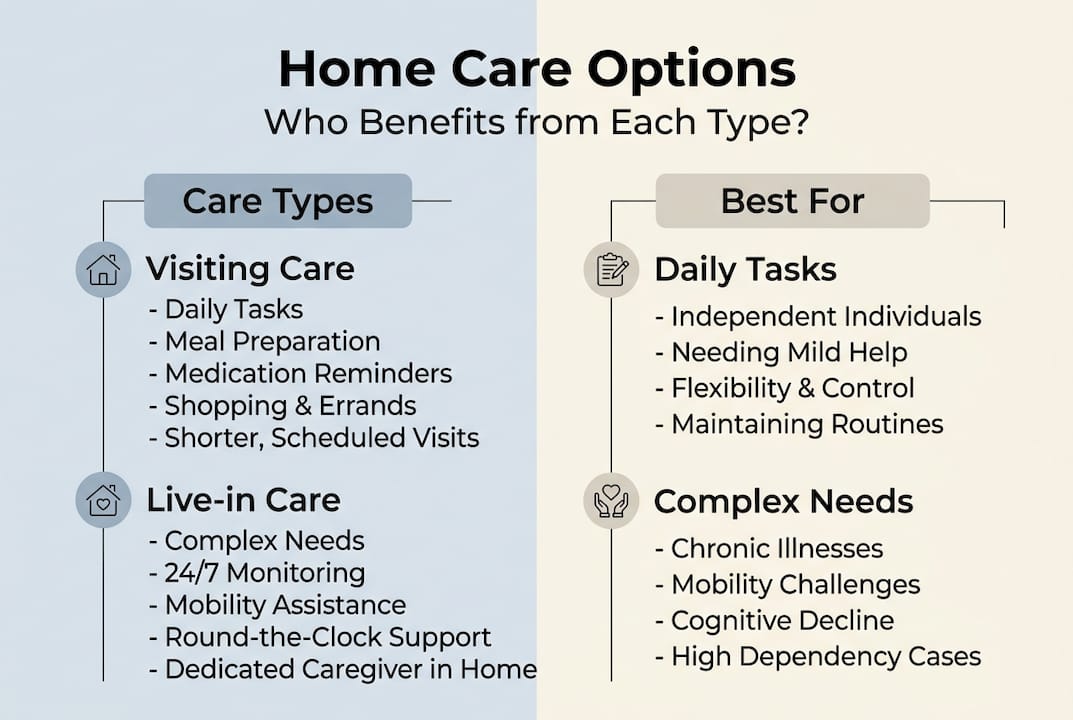
| Type of care | Frequency | Best suited to | Approximate cost |
|---|---|---|---|
| Visiting care | Hourly visits | Daily tasks, part-time needs | £15–£38 per hour |
| Live-in care | 24/7 presence | Complex needs, dementia, no family nearby | £900–£1,500 per week |
| Night care | Overnight only | Unsettled nights, safety monitoring | Varies by provider |
Visiting care works well for people who are largely independent but need help with specific tasks at set times. It is also a practical starting point for families who want to introduce support gradually. Live-in care suits those with more complex needs, advanced dementia, or limited family support nearby.
24/7 support via live-in care and visiting care that covers specific hours can both work well for dementia when managed carefully. The key is matching the level of support to the person’s actual daily needs, not simply choosing the most intensive option.
Home care is not always the right answer. Situations where it may not be appropriate include:
- When round-the-clock registered nursing is required
- When the home environment itself poses serious safety risks
- When the person requires specialist clinical intervention beyond a carer’s scope
For families considering a return from hospital, post-hospital home support is a well-established pathway that bridges the gap between discharge and full recovery.
Pro Tip: Ask any provider how they handle carer continuity. Consistent carers make a significant difference to wellbeing, particularly for clients with dementia.
How does home care work? Personalisation, plans, and staffing
Once a suitable type is chosen, the next step is understanding how care arrangements are tailored and put in place.
The process of arranging home care generally follows these steps:
- Initial enquiry: Contact a registered agency or your local authority to discuss needs.
- Needs assessment: A trained coordinator visits to evaluate health, daily routines, risks, and personal preferences.
- Care plan creation: A written plan sets out tasks, timings, goals, and any clinical requirements.
- Carer matching: The agency selects carers whose skills and personality suit the individual.
- Regular reviews: Plans are updated as needs change, whether that means more support or less.
Personalised care plans are central to good practice. The Care Act requires that individual assessment ensures support matches needs, preferences, and promotes independence. This is not just good intention; it is a legal standard.

For families arranging a formal individual needs assessment, it helps to prepare a list of daily tasks your relative struggles with, their preferred routines, and any medical conditions that affect care.
Pro Tip: Keep a written record of your relative’s daily preferences, favourite activities, and communication style. Sharing this with carers from day one helps build trust quickly.
Staffing is a genuine challenge in London. High demand and a competitive job market mean some providers struggle with consistency. Always ask a prospective agency about their staff turnover rate and how they manage cover when a regular carer is unavailable.
Home care for dementia and complex needs
Some families require more specialised expertise, especially when dementia or complex needs are involved.
Dementia home care is not simply about physical assistance. It requires carers who understand how to manage emotional distress, reinforce a person’s sense of identity, and adapt to fluctuating behaviour throughout the day. Empathic, anticipatory care that manages emotions and reinforces identity is considered vital for high-quality dementia home care.
Key principles for dementia care at home include:
- Maintaining consistent daily routines to reduce confusion and anxiety
- Using calm, reassuring communication at all times
- Monitoring for changes in behaviour that may signal pain or illness
- Keeping the home environment safe and familiar
“For someone living with dementia, the familiar sights, sounds, and smells of home are not trivial comforts. They are anchors to identity and calm.”
For families seeking London dementia care guidance, it is worth checking whether a provider has specific dementia training as part of their standard staff development programme.
A practical home safety checklist is also useful when assessing whether the home environment can support someone with advancing dementia. This covers trip hazards, medication storage, door security, and kitchen safety.
Home care becomes less appropriate when a person requires 24-hour registered nursing, or when behavioural symptoms become too complex for a non-clinical carer to manage safely. In those situations, a specialist residential or nursing setting may be the better choice.
Costs and funding options for home care in London
Before making a final decision, cost and funding are critical practicalities for every family.
Home care in London is not cheap. Visiting care typically costs between £15 and £38 per hour, while live-in care runs from £900 to £1,500 per week. Costs vary by provider, location within London, and the complexity of care required.
Funding options available to families include:
- Local authority funding: Subject to a means test. Those with capital below £14,250 receive maximum support; those above £23,250 are expected to self-fund.
- NHS Continuing Healthcare (CHC): Fully funded care for those with a primary health need, assessed by a clinical team.
- Attendance Allowance: A non-means-tested benefit for people aged 65 and over who need help with personal care.
- Direct payments: Local authority funds paid directly to the individual, giving more control over how care is arranged.
Key figure: Adult social care spending in England continues to rise, yet a significant funding gap remains, meaning many London families end up contributing to care costs even after statutory support is in place.
For a full breakdown of options, the guide on paying for home care covers local authority thresholds, CHC eligibility, and how to appeal a funding decision.
Planning ahead matters. Families who explore funding options early are far better placed to access the right support without financial stress.
Our perspective: Balancing choice, quality, and independence
After more than 30 years supporting London families, we have seen one pattern repeat itself: the families who plan early make better decisions. Not because they have more money, but because they have time to ask the right questions.
Personalisation is not a marketing phrase. For most clients, having a consistent carer who knows their routine, their preferences, and their history genuinely changes their quality of life. It reduces anxiety, supports dignity, and keeps people connected to who they are.
Funding gaps and staffing pressures are real. We would rather be honest about that than pretend every arrangement runs perfectly. When choosing a provider, ask specifically about carer continuity, training standards, and CQC ratings. These questions matter far more than price alone.
For a clear comparison of when home care is the right fit versus when a nursing setting makes more sense, the home care vs nursing guide is a practical resource. In some situations, residential care is genuinely the safer option. Knowing when to make that call is part of good planning, not a failure.
Get started with home care: How we support London families
If you are ready to explore home care for a relative in London, Kells Care has provided CQC-regulated, bespoke domiciliary care for over 30 years. We support elderly clients, those living with dementia, and individuals with disabilities, offering everything from short check-in visits to full live-in care.
You can read more about support for home care or explore our nursing vs home care guide to help clarify which option suits your family best. Our team at Kells Care is ready to answer your questions, arrange a needs assessment, or simply talk through your options with no obligation. Every family’s situation is different, and we are here to help you find the right path forward.
Frequently asked questions
Who is eligible for home care funding in London?
Eligibility is determined by a means test carried out by your local authority. Those with capital below £14,250 receive maximum local authority support, while those with over £23,250 are generally expected to self-fund.
How quickly can home care start in London?
Home care can often begin within a few days of completing an assessment and matching a suitable carer, though timescales depend on the provider’s current capacity and the complexity of the care required.
Is home care suitable for people with dementia?
Yes, home care suits dementia well when properly planned, as familiar surroundings reduce distress and consistent routines provide reassurance and stability.
What if my relative’s needs become too complex for home care?
If round-the-clock registered nursing or specialist clinical intervention is required, a nursing or residential home is likely to be a safer and more appropriate option. Complex needs beyond carer scope or an unsafe home environment are the main indicators that a different setting is needed.
How much does home care cost per week in London?
Visiting care in London typically costs between £15 and £38 per hour, while live-in care costs between £900 and £1,500 per week depending on the level of support required.
Recommended
- Home care vs nursing: guide for London elderly families – Kells Domiciliary Care
- What is domiciliary care? A family guide to home support – Kells Domiciliary Care
- Discover the advantages of home care for your loved ones – Kells Domiciliary Care
- Elderly home care in London: A guide for families – Kells Domiciliary Care