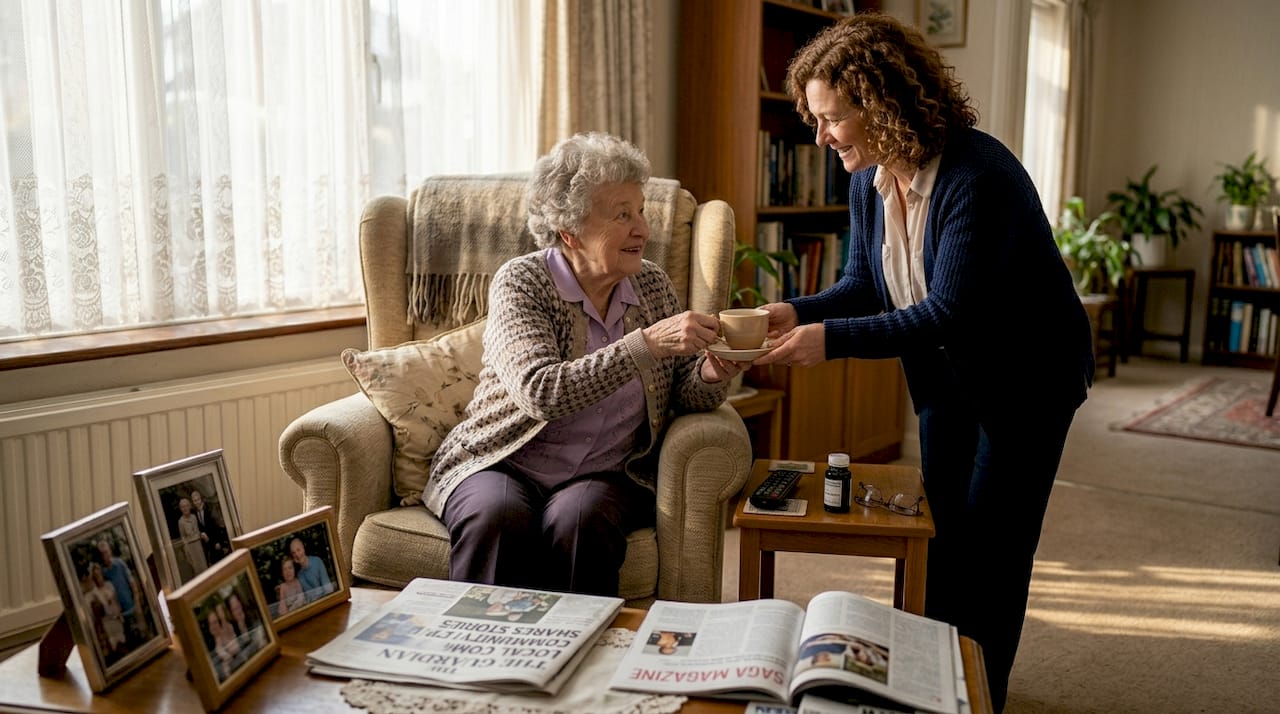
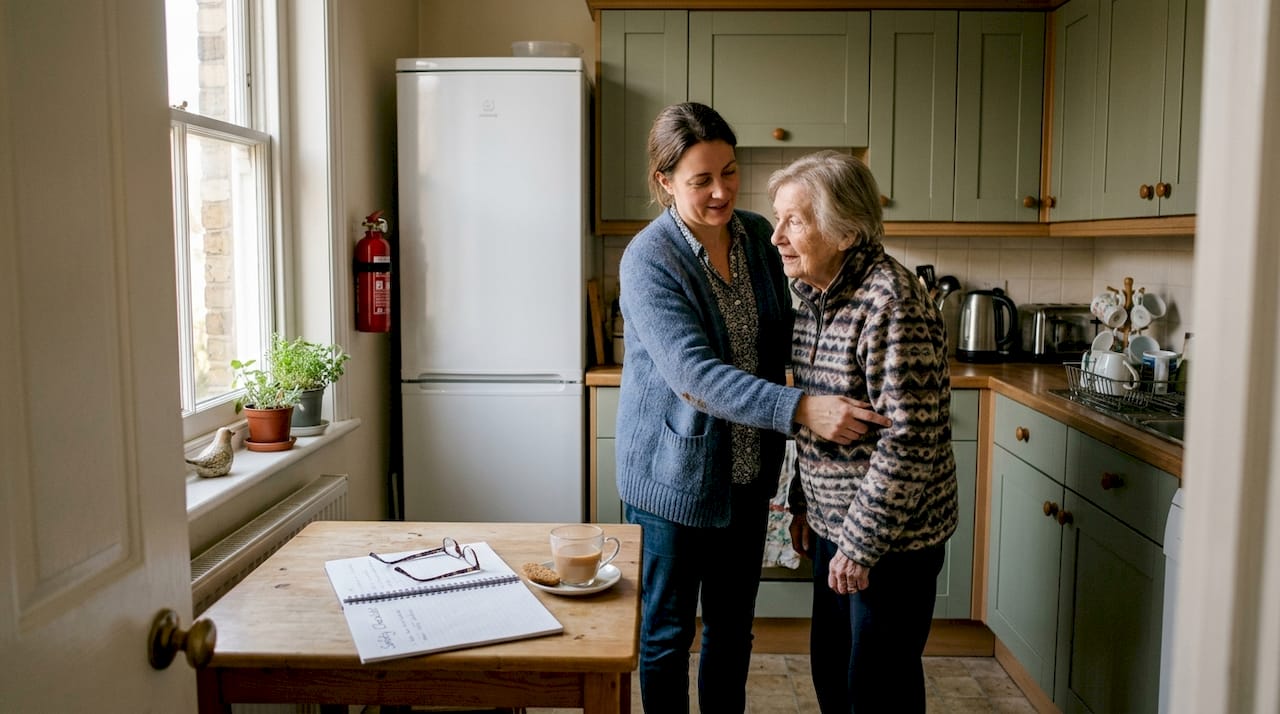
A single loose bath mat. A medication bottle left on the kitchen counter. These small oversights might seem minor, but for elderly or disabled individuals living at home, they can lead to serious injury. Falls and home accidents are a major cause of injury among elderly and disabled individuals, yet many families in London are still relying on memory and good intentions rather than a structured plan. A clear, practical safety checklist changes that. It gives you a reliable framework to protect your loved one, support their independence, and reduce the daily worry that comes with caring for someone at home.
Table of Contents
- Why home care safety matters for London families
- Essential areas for your home care safety checklist
- Safety in action: Example home care safety checklist
- Hygiene, sanitation, and infection prevention
- Emergency protocols and communication plans
- Updating and maintaining your safety checklist
- Enhancing home care safety with expert support
- Frequently asked questions
Key Takeaways
| Point | Details |
|---|---|
| Proactive safety checks | Regular, structured safety reviews help prevent accidents and support independence at home. |
| Tailored checklists | Customised safety lists address unique risks for elderly or disabled individuals living in London. |
| Hygiene and infection control | Cleaning and sanitation routines are fundamental to maintaining health and preventing illness. |
| Emergency readiness | Having clear protocols and communication plans enables fast, effective responses to emergencies. |
Why home care safety matters for London families
Caring for an elderly or disabled relative at home is one of the most meaningful things a family can do. But it comes with real risks that deserve honest attention. Physical hazards are the most visible concern. Slippery floors, unsecured rugs, hot surfaces, and poorly stored medication all create daily dangers. Beyond the physical, feeling unsafe at home affects emotional well-being too. When a person feels anxious or unsupported in their own space, their quality of life suffers.
This is why a checklist works better than ad-hoc safety measures. Memory is unreliable, especially when you are juggling work, family, and caregiving responsibilities. A written checklist removes guesswork. It ensures nothing is missed, and it creates a shared reference point for everyone involved in care.
Common physical risks to address include:
- Falls on wet or uneven floors
- Burns from unattended cooking or hot water
- Medication mix-ups or missed doses
- Poor lighting in hallways and stairways
- Blocked exits or cluttered walkways
‘Consistent safety checks reduce preventable accidents and stress among families.’
Pro Tip: Schedule a monthly home safety review on a fixed date, such as the first Sunday of each month. Treat it like any other appointment. Consistency is what makes a checklist effective.
If you are still exploring the best approach for your family, reading about talking about home care with your loved one is a helpful first step. You may also find practical ideas in our guide on helping older loved ones maintain their independence safely.
Essential areas for your home care safety checklist
Structured home safety evaluations significantly reduce accidents, which is why knowing exactly where to focus your checks matters. Every home is different, but certain zones carry the highest risk.
Kitchen: Check for accessible fire extinguishers, safe storage of sharp utensils, and clear labelling on medication kept in this area. Ensure the cooker has an automatic shut-off or is supervised during use.
Bathroom: Non-slip mats, grab rails beside the toilet and bath, and a shower seat where needed are essential. Water temperature should be set below 46°C to prevent scalding.
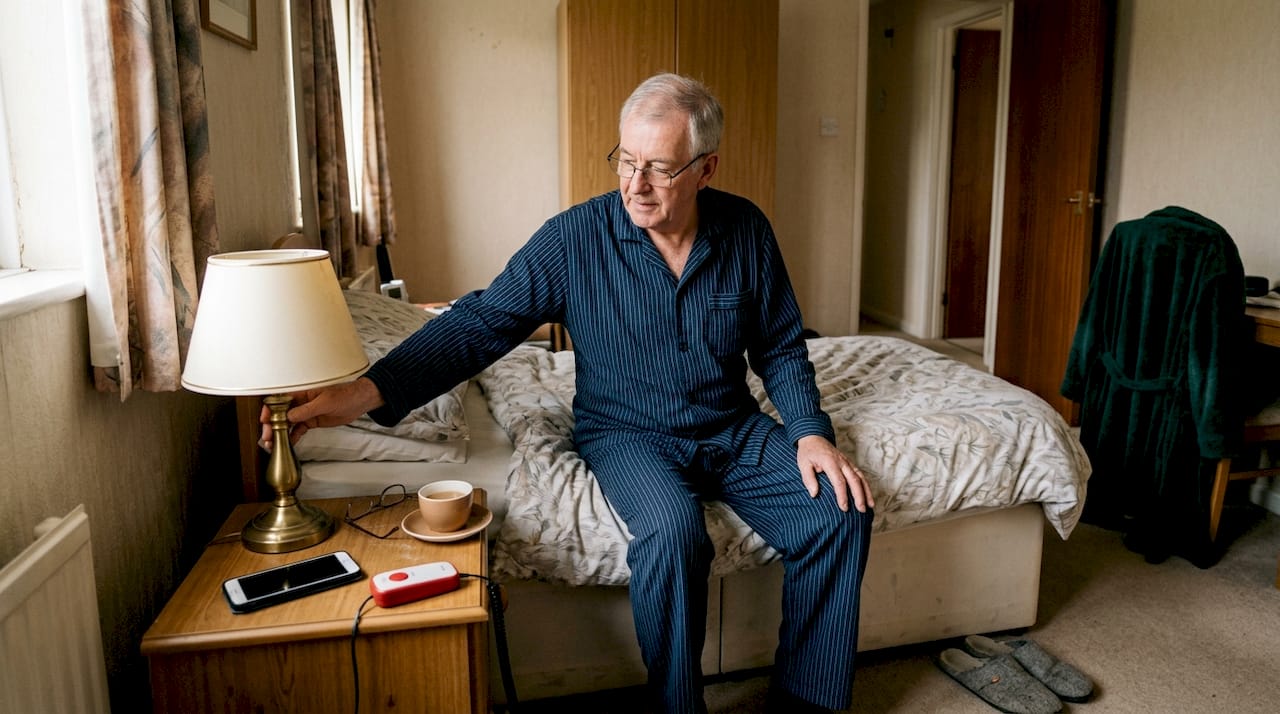
Bedroom: Clear pathways to the door and bathroom, a bedside lamp within easy reach, and a call button or phone nearby are all important. Check that bed height is appropriate for safe transfers.
Stairways: Secure handrails on both sides, good lighting, and no items left on steps. Consider a stairlift assessment if mobility is declining.
Entrances and exits: Ensure door handles are easy to operate, thresholds are level, and outdoor paths are clear of ice or debris.
Living areas: Secure loose rugs, arrange furniture to allow clear movement, and keep frequently used items within easy reach.
To assess each area effectively, follow these steps:
- Walk through the space at the pace of the person receiving care.
- Note any surface that requires extra effort or causes hesitation.
- Identify items that are out of reach or require bending.
- Check all lighting, especially at night.
- Record findings and assign a priority level to each issue.
Pro Tip: Involve the person receiving care in this process. They often notice hazards that family members overlook, and their input makes the checklist more relevant to their daily routine.
For families weighing up different care arrangements, our comparison of home care vs nursing options in London offers useful context. You can also explore the advantages of home care and get guidance on choosing a home care agency that meets your standards.
Safety in action: Example home care safety checklist
Personalised checklists direct attention to priority risks and improve follow-through. A one-size-fits-all approach rarely works. The table below shows the difference between a standard checklist and one tailored to an elderly or disabled person.
| Feature | Standard checklist | Tailored checklist |
|---|---|---|
| Frequency of checks | Weekly | Daily, weekly, and monthly |
| Mobility considerations | Generic | Specific to individual aids used |
| Medication management | Basic reminders | Dose tracking and storage checks |
| Emergency contacts | One number listed | Full protocol with named contacts |
| Technology alerts | Not included | Personal alarms and fall detectors |
Here is a practical checklist to get you started:
Daily tasks:
- Check that mobility aids (walking frames, wheelchairs) are in good condition.
- Confirm medication has been taken at the correct time and dose.
- Inspect high-use areas for new hazards (spills, clutter, loose items).
- Test personal alarm or emergency call device.
- Ensure the person has access to water and essential items throughout the day.
Weekly tasks:
- Clean and sanitise bathroom and kitchen surfaces.
- Check fire alarm and carbon monoxide detector batteries.
- Review any changes in mobility or health that may require checklist updates.
- Inspect grab rails and handrails for stability.
Monthly tasks:
- Conduct a full room-by-room walkthrough.
- Review medication storage and expiry dates.
- Update emergency contact information if needed.
- Assess whether any new equipment or adaptations are required.
The top safety risks and their recommended check frequency are summarised below:
| Safety risk | Recommended check frequency |
|---|---|
| Falls (wet floors, loose rugs) | Daily |
| Medication errors | Daily |
| Fire hazards | Weekly |
| Infection and hygiene | Daily |
| Equipment condition | Weekly |
| Emergency plan currency | Monthly |
For families unsure whether home care or a residential setting is the right fit, our guide on nursing or home care in London covers the key differences clearly.
Hygiene, sanitation, and infection prevention
Rigorous hygiene procedures are essential for vulnerable patients, particularly those with reduced immunity or chronic health conditions. Infections such as influenza, norovirus, and respiratory illnesses spread quickly in home environments where surfaces are shared and ventilation may be limited.
Your daily hygiene routine should include:
- Wiping down high-touch surfaces (door handles, light switches, remote controls) with an appropriate disinfectant
- Washing hands thoroughly before and after personal care tasks
- Storing medication in a cool, dry, and clearly labelled location
- Disposing of clinical waste (dressings, gloves) safely and promptly
- Laundering bedding and clothing regularly, especially after illness
For those returning home after a hospital stay, infection risk is particularly elevated. Our guide on post-hospital care hygiene outlines the specific precautions worth taking during that transition period.
Pro Tip: Keep a simple hygiene log on the fridge or near the care station. Note the date and time each cleaning task was completed. This reduces the chance of missed procedures and gives carers a clear record to refer to.
Emergency protocols and communication plans
Even the safest home can face an unexpected event. A fall in the night, a sudden health change, or a fire requires a clear, rehearsed response. Without a plan, valuable minutes are lost to confusion.
Every home care setting should have the following information clearly displayed:
- GP name and direct contact number
- NHS 111 and 999 numbers
- Named family contacts with mobile numbers
- Address of the home written out in full (for emergency services)
- Details of any known allergies or medical conditions
- Location of medication and any relevant medical equipment
To create a workable emergency response plan, follow these steps:
- Identify the most likely emergency scenarios for your loved one’s specific conditions.
- Assign a primary and secondary contact person for each scenario.
- Write out the steps to take in plain language and post them visibly in the home.
- Practise the plan with everyone involved in care, including professional carers.
- Review and update the plan every three months or after any significant health change.
‘A well-rehearsed emergency plan saves valuable minutes and lives.’
Clear communication between family members and professional carers is just as important as the plan itself. Our guide on communicating with carers offers practical advice on keeping everyone informed and aligned, which is especially important when having a clear emergency protocol minimises confusion and enables quick action.
Updating and maintaining your safety checklist
A checklist written once and never revisited quickly becomes outdated. Health conditions change. Mobility shifts. New medication is introduced. Each of these changes can create new risks that your original checklist did not account for.
Review your checklist when any of the following occur:
- A new diagnosis or change in existing health conditions
- A change in medication, including dosage adjustments
- A fall or near-miss incident in the home
- A change in the level of care being provided
- A move to a different room or adaptation of the home layout
Regular updates guarantee that a safety checklist remains effective over time. Without them, even a well-designed checklist becomes a false sense of security.
Adapting the checklist to changing needs does not have to be complicated. Keep a notes section at the back where you record observations between formal reviews. Small changes, such as adding a non-slip mat or repositioning a lamp, can be noted and actioned quickly without waiting for a full review.
Pro Tip: Set a recurring calendar reminder for a quarterly checklist review. Label it clearly so all family members involved in care receive the notification. Shared responsibility makes the process more consistent.
For ongoing support in reassessing safety needs as circumstances evolve, a professional assessment can provide structured guidance and peace of mind.
Enhancing home care safety with expert support
Putting a safety checklist together is a strong first step, but knowing whether it covers everything your loved one needs is another matter. At Kells, we have been providing London home care services for over 30 years, and we understand that every family’s situation is unique. Our experienced, fully qualified, and DBS-checked carers work with families to identify risks, implement practical solutions, and adapt care as needs change. Whether you are exploring home care vs nursing options or looking for a clearer picture of what support is available, our domiciliary care guide is a helpful place to start. Get in touch with us today to arrange a needs assessment and take the next step towards a safer, more supported home.
Frequently asked questions
How often should I review my home care safety checklist?
Monthly reviews are ideal, but you should update your checklist whenever health or living arrangements change. Regular updates ensure the checklist stays relevant and effective.
What are the most common home care safety risks for elderly people?
The main risks include falls, burns, hygiene lapses, inadequate emergency procedures, and medication errors. Falls and home accidents are among the most frequent causes of serious injury in the home.
Do I need a professional assessment for home care safety?
A professional assessment helps identify risks and tailor your safety checklist, especially after hospital stays or health changes. Structured home safety evaluations significantly reduce the likelihood of accidents.
How can I prevent infections when caring for someone at home?
Maintain daily cleaning routines, properly store medication, and sanitise high-touch surfaces to reduce infection risks. Rigorous hygiene procedures are particularly important for individuals with reduced immunity or chronic conditions.
Recommended
- Elderly home care in London: A guide for families – Kells Domiciliary Care
- Post-hospital home care: a London family guide 2026 – Kells Domiciliary Care
- Home care vs nursing: guide for London elderly families – Kells Domiciliary Care
- Discover the advantages of home care for your loved ones – Kells Domiciliary Care