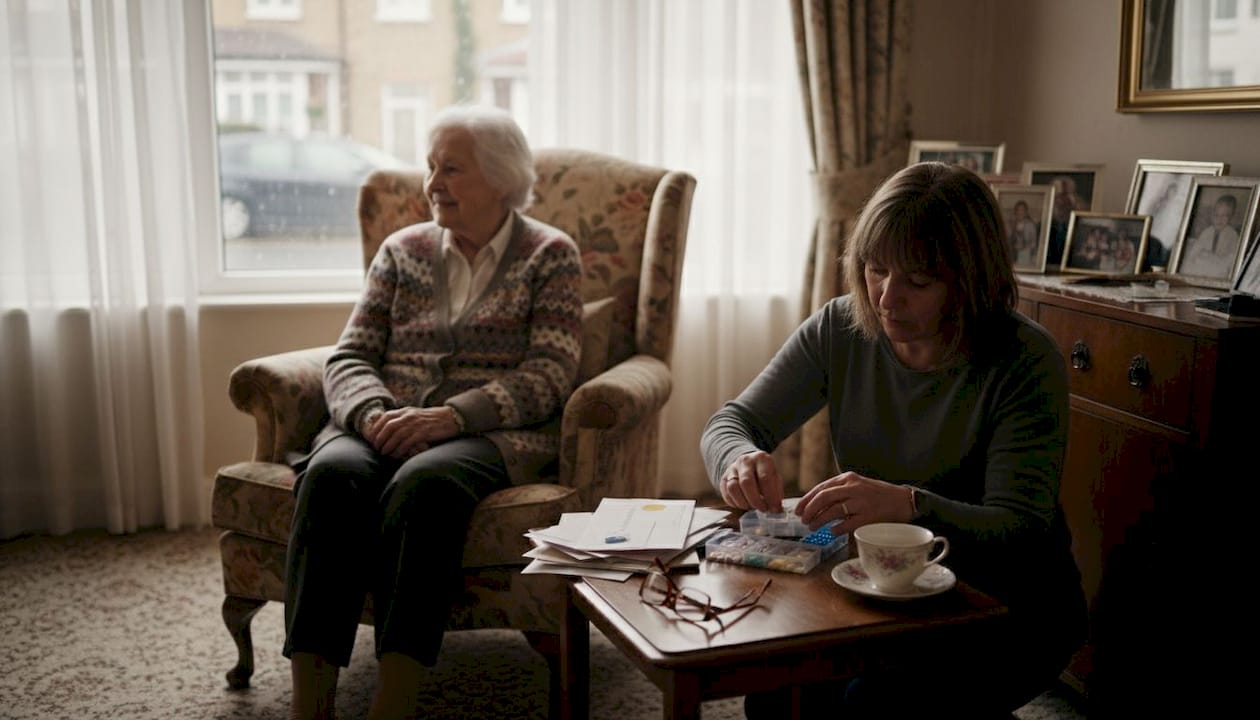
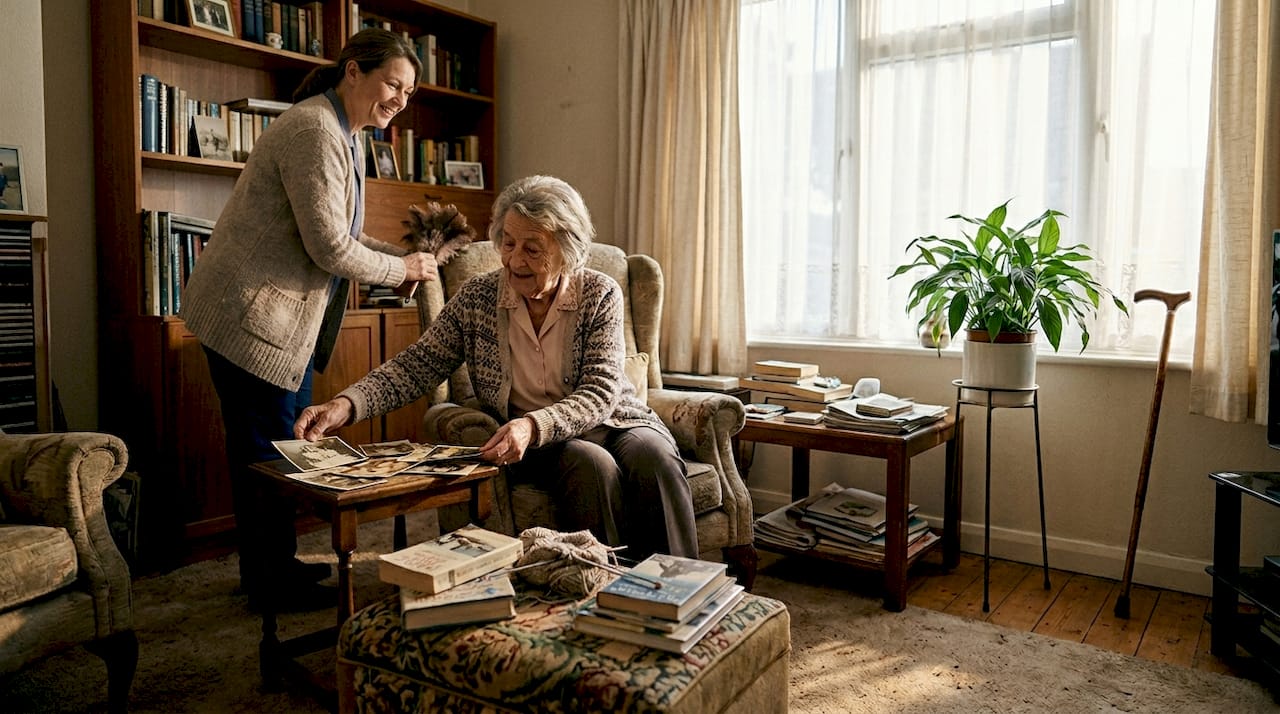
Choosing the right care for elderly or disabled relatives is one of the most challenging decisions families face. You want options that enhance independence, safety, and quality of life while respecting personal dignity and familiar routines. Home care offers a compelling alternative to institutional settings, particularly for mild to moderate needs. This article outlines the key advantages of home care through a clear criteria framework, providing evidence-backed insights and practical guidance to help London families make informed decisions. You will learn how home care supports independence, delivers cost savings, and promotes emotional well-being in ways that nursing homes often cannot match.
Table of Contents
- Key takeaways
- How to evaluate the advantages of home care
- Promoting independence and quality of life
- Cost-effectiveness of home care in London
- Emotional and social benefits of personalised home care
- Comparing home care and nursing homes for different care needs
- Explore expert home care options with Kells Care
- What are the advantages of home care for elderly relatives?
Key Takeaways
| Point | Details |
|---|---|
| Preserved independence | Home care helps your relative maintain routines, control over daily activities and familiar surroundings to support dignity and quality of life. |
| One to one care | A dedicated carer focuses entirely on your relative, tailoring support to preferences and changing needs. |
| Cost savings | Care is charged by the hour rather than full residential fees, often delivering cost savings compared with nursing homes. |
| Emotional wellbeing | Emotional support from carers reduces loneliness and strengthens social connections, supporting overall wellbeing. |
How to evaluate the advantages of home care
Families need a structured approach to assess whether home care meets their loved one’s needs. Four key criteria help you judge the benefits: independence support, personalised care, cost-effectiveness, and emotional well-being.
Independence remains the cornerstone of quality care. Home care excels in promoting independence and quality of life through personalised, familiar settings. Your relative continues daily routines in their own home, maintaining control over schedules, meals, and activities. This autonomy preserves dignity and self-worth in ways institutional care cannot replicate.
Personalised care means one-to-one attention focused entirely on individual preferences and requirements. Unlike nursing homes where staff divide attention among many residents, home carers dedicate their time to a single person. This tailored approach adapts quickly to changing needs and respects personal choices.
Cost-effectiveness matters significantly for families managing care budgets. Home care often delivers better value than nursing homes, especially for mild to moderate needs. You pay only for the hours required rather than full residential fees, and mental health benefits add substantial quality-adjusted life value.
Emotional support reduces loneliness and reinforces social identity. Carers provide companionship whilst supporting independence, helping your loved one maintain connections with family, friends, and community. This social continuity protects mental wellness and life satisfaction.
Pro Tip: Start with a comprehensive needs assessment to identify which advantages matter most for your family’s specific situation and care requirements.
Promoting independence and quality of life
Home care transforms daily living by supporting elderly and disabled individuals to maintain independence within familiar surroundings. This advantage matters enormously for quality of life and mental wellness.
Staying in familiar surroundings reduces stress and disorientation significantly. Your relative knows every room, every neighbour, every local shop. This environmental continuity provides psychological security that institutional settings cannot offer. Objects, photographs, and furniture carry personal meaning and trigger positive memories. For individuals with dementia or cognitive decline, familiar spaces reduce confusion and anxiety episodes.
Personalised schedules preserve routines and personal dignity. Home care preserves independence, familiarity, reduces anxiety, and offers one-to-one attention for mild-moderate needs. Your loved one wakes at their preferred time, eats favourite meals when hungry, and pursues hobbies without institutional constraints. This freedom respects individual preferences and maintains self-determination.
One-to-one care minimises anxiety and supports mental wellness. A dedicated carer learns preferences, anticipates needs, and builds genuine rapport. This relationship quality reduces the stress many elderly people experience in group care settings. Your relative receives undivided attention during care activities, fostering trust and emotional security.

Independence grows when person-centred support matches individual abilities. Carers encourage your loved one to complete tasks they can manage whilst providing assistance only where needed. This balanced approach maintains physical capabilities and cognitive function longer than institutional care where staff often complete tasks for efficiency.
Pro Tip: Discuss talking about home care with your relative early to understand their priorities and involve them in care planning decisions.
Cost-effectiveness of home care in London
Financial considerations influence every care decision. Home care delivers substantial cost advantages versus nursing homes for mild to moderate needs, particularly in London’s expensive care market.
Home care hourly rates in London typically range from £18 to £28 per hour depending on care complexity and provider experience. For someone needing four hours daily, monthly costs reach approximately £2,240 to £3,360. Nursing home fees in London average £1,200 to £1,800 weekly, totalling £4,800 to £7,200 monthly. The savings become obvious for anyone not requiring 24-hour medical supervision.
| Care type | Average monthly cost | Best suited for |
|---|---|---|
| Home care (4 hours daily) | £2,240 – £3,360 | Mild to moderate needs, some independence |
| Home care (12 hours daily) | £6,720 – £10,080 | Moderate to high needs, overnight support |
| Nursing home | £4,800 – £7,200 | High medical needs, 24-hour supervision |
UK pilot studies demonstrate measurable financial benefits. The HomeHealth intervention showed cost savings of £796 per person alongside quality-adjusted life year gains and fewer serious adverse events. These findings validate home care as both clinically effective and economically sensible for appropriate candidates.
Financial advantages prove particularly relevant for mild to moderate needs. Your relative requires assistance with daily activities but not constant medical monitoring. Home care provides necessary support at lower cost whilst preserving independence and familiar surroundings. As care needs increase, the cost gap narrows, but many families still prefer home care’s personalised approach.
Funding options help manage expenses. Local authority support, NHS Continuing Healthcare, and attendance allowance may reduce out-of-pocket costs. Understanding paying for home care options ensures you access all available financial assistance.
Emotional and social benefits of personalised home care
Emotional well-being determines life quality as much as physical health. Home care addresses psychological and social needs often overlooked in institutional settings.
Emotional support proves critical to quality of life and well-being. Carers provide companionship, conversation, and genuine human connection. Your loved one shares memories, discusses daily news, and maintains cognitive engagement through meaningful interaction. This emotional continuity prevents the isolation and depression common in nursing homes.
Home care helps maintain social roles and personal identity. Your relative remains a neighbour, friend, community member, and family host. They continue volunteering, attending religious services, or participating in local groups. These social connections reinforce self-worth and purpose. Person-centred methodologies anticipate needs, reinforce identity, and provide emotional support that respects individual history and preferences.
Loneliness risk drops significantly with public home-based care. Research shows home care recipients report less social isolation than nursing home residents. Carers facilitate family visits, accompany your loved one on outings, and encourage social activities. This proactive approach to social engagement protects mental health.
Caregiver empathy and anticipation of needs improves day-to-day experience. Skilled carers recognise subtle changes in mood, energy, or comfort. They adjust activities and support accordingly, creating a responsive care environment. This attentiveness builds trust and reduces anxiety about care quality.
Pro Tip: Select carers through choosing a home care agency that prioritises relationship continuity, ensuring your loved one works with familiar faces who understand their preferences.
Comparing home care and nursing homes for different care needs
No single care option suits everyone. Understanding when home care excels and when nursing homes prove more appropriate helps families make evidence-based decisions.
Nursing homes may better serve high-acuity medical needs. Your relative requires constant medical monitoring, complex medication management, or specialised equipment. Nursing homes provide 24-hour clinical staff, immediate emergency response, and coordinated medical care. For advanced dementia, severe mobility impairment, or multiple chronic conditions, institutional care offers safety advantages.
Home care supports well-being, independence, and happiness more effectively for mild-moderate needs. Research shows nursing homes improve physical health markers but may lower psychological well-being. Home care preserves life satisfaction, autonomy, and social connections whilst delivering adequate physical care for appropriate candidates.
| Factor | Home care advantage | Nursing home advantage |
|---|---|---|
| Independence | High – maintains autonomy and routines | Low – institutional schedules |
| Personalisation | High – one-to-one tailored support | Moderate – shared staff attention |
| Medical supervision | Moderate – scheduled visits | High – 24-hour clinical staff |
| Cost (mild needs) | Lower – pay per hour needed | Higher – full residential fees |
| Social continuity | High – stays in community | Low – new environment |
Families should evaluate care level required and personal priorities. Consider these steps:
- Assess medical complexity and supervision needs through professional evaluation
- Identify your relative’s priorities regarding independence, familiarity, and social connections
- Calculate realistic costs for both options based on actual care hours needed
- Trial home care with gradual hour increases to test suitability before committing
Understanding care options for the elderly provides comprehensive guidance on matching care type to individual circumstances and family resources.
Explore expert home care options with Kells Care
Kells Care offers experienced domiciliary home care throughout North London, helping families preserve their loved ones’ independence and emotional well-being. Our services adapt to individual needs, from check-in visits to round-the-clock support, delivered by qualified, DBS-checked carers regulated by the Care Quality Commission.
We understand the advantages discussed throughout this article matter deeply to your family’s care decision. Our person-centred approach prioritises dignity, choice, and quality of life in familiar home surroundings. With over 30 years’ experience, we provide the reliable, compassionate care London families trust.
Explore talking about home care services to start conversations with your loved one, review paying for home care in London options to understand funding possibilities, or learn more about Kells Domiciliary Care and our commitment to exceptional home care standards.
What are the advantages of home care for elderly relatives?
How does home care preserve independence better than nursing homes?
Home care allows your loved one to maintain daily routines, make personal choices, and live in familiar surroundings. Carers provide support only where needed, encouraging continued independence in activities your relative can manage. This approach preserves autonomy and dignity whilst ensuring safety.
Is home care more affordable than nursing home care in London?
For mild to moderate care needs, home care typically costs less than nursing homes because you pay only for hours required. London nursing homes average £4,800 to £7,200 monthly whilst home care for four hours daily costs £2,240 to £3,360 monthly, delivering significant savings.
What emotional benefits does home care provide?
Home care reduces loneliness through one-to-one companionship and maintains social connections within your loved one’s community. Familiar surroundings and person-centred care reduce anxiety and depression common in institutional settings. Your relative preserves their social identity and purpose through continued community participation.
When should families choose nursing homes instead of home care?
Nursing homes suit individuals with high-acuity medical needs requiring 24-hour clinical supervision, complex medication management, or immediate emergency response. For advanced dementia, severe mobility limitations, or multiple chronic conditions, institutional care may provide necessary medical oversight. Start with a comprehensive needs assessment process to determine appropriate care level.
How do I select a quality home care provider in London?
Look for CQC-regulated agencies with experienced, DBS-checked carers who prioritise person-centred care and relationship continuity. Verify qualifications, read reviews, and interview potential carers to ensure personality fit. Review the choosing a home care agency guide for detailed selection criteria and questions to ask providers.