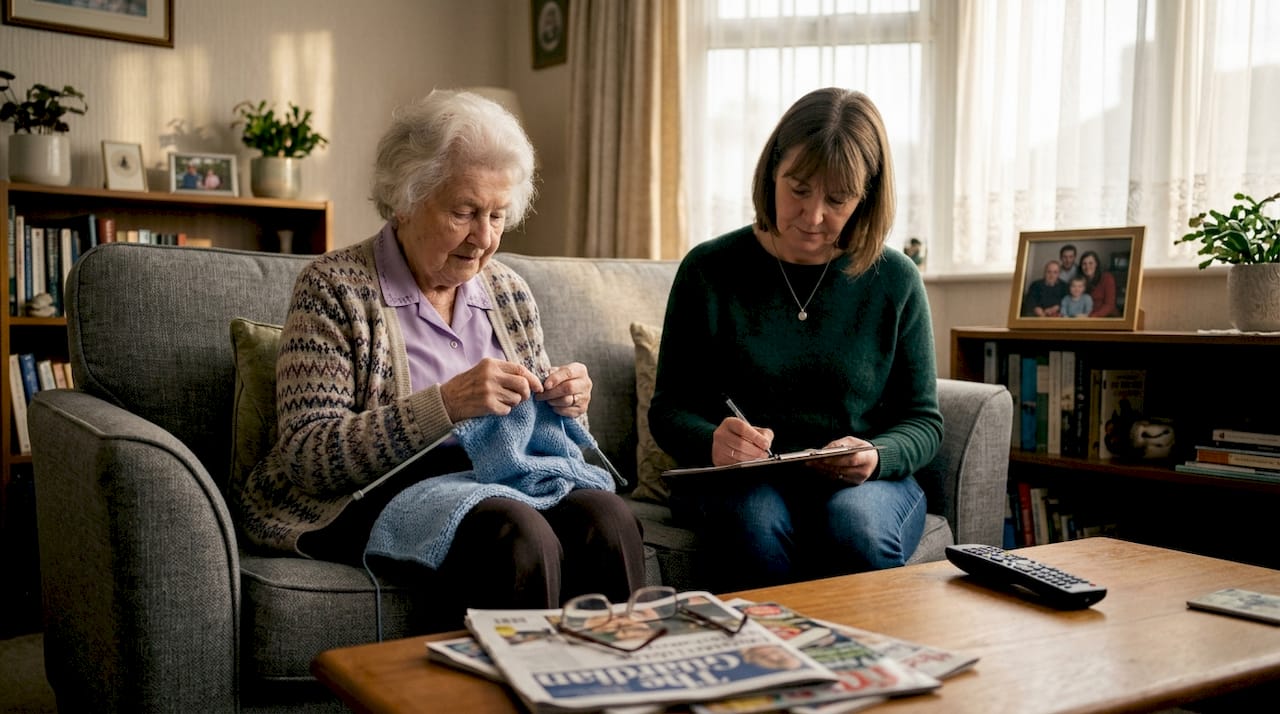
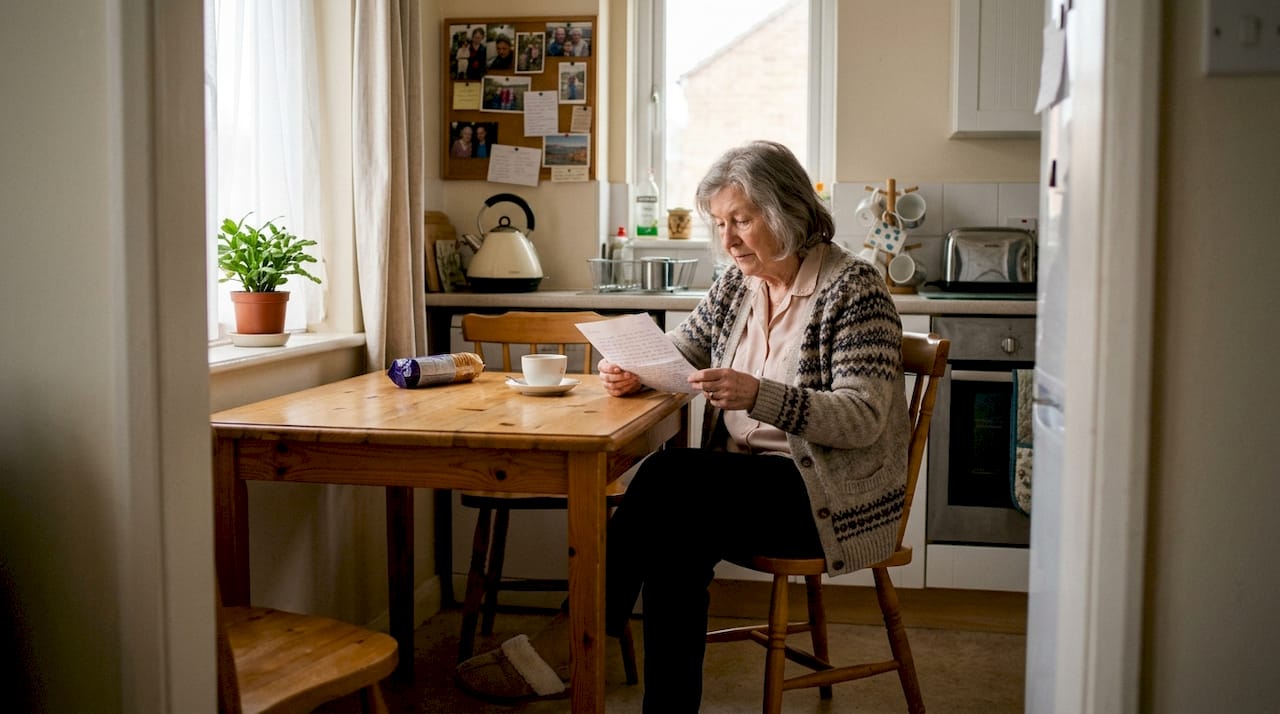
Many families assume that when a loved one needs significant support, moving to a residential facility is the only real option. That belief is understandable, but it is also one of the most common misconceptions in care. The evidence tells a different story. Remaining at home with the right support reduces anxiety, preserves emotional wellbeing, and protects independence in ways that institutional settings often cannot match. In this article, we explore why home care is so important, what it offers in practical terms, and how London families can access the right support for their loved ones.
Table of Contents
- Familiar surroundings: Why staying at home matters
- How home care enhances independence and quality of life
- Emotional, cognitive, and social benefits of home care
- Access, affordability, and the impact of self-directed home care payments
- A fresh perspective: The real meaning of quality in home care
- Next steps for London families: Finding the right support
- Frequently asked questions
Key Takeaways
| Point | Details |
|---|---|
| Home care boosts wellbeing | Staying at home supports emotional health, routine, and familiar relationships for elderly and disabled people. |
| Independence is preserved | Personalised home care empowers individuals to remain independent and maintain dignity in their daily lives. |
| Flexible, tailored support | Direct Payments and bespoke care plans allow families to tailor support for maximum impact and comfort. |
| Quality care needs empathy | Empathic engagement and consistent carers are crucial for the best outcomes, especially for dementia care. |
Familiar surroundings: Why staying at home matters
There is something deeply grounding about being in your own home. Your chair, your garden, your photographs on the wall. These are not trivial comforts. For older people and those living with disabilities, familiar surroundings provide a sense of continuity and identity that is genuinely difficult to replicate elsewhere.
For people living with dementia, this matters even more. Familiar surroundings reduce anxiety for people with memory loss and improve emotional wellbeing. When someone with dementia wakes up in their own bedroom, surrounded by objects they recognise, confusion is reduced. The environment itself becomes part of the care.
Beyond dementia, staying at home supports a sense of routine and personal identity for anyone who needs assistance. Consider what it means to have grandchildren visit on a Sunday afternoon, or to keep a beloved pet, or to eat meals at the time you have always preferred. These small freedoms matter enormously to quality of life.
The advantages of home care extend well beyond convenience. Research consistently shows that people receiving care at home report higher levels of satisfaction and emotional stability than those in residential settings. The reasons are not complicated. Home is where life has been lived.
Here are some of the key ways a familiar home environment supports wellbeing:
- Routine and predictability reduce stress, particularly for those with cognitive decline
- Personal possessions reinforce identity and provide comfort during difficult moments
- Social connections remain easier to maintain when a person stays in their own community
- Autonomy over daily choices such as mealtimes, visitors, and activities preserves dignity
“The home environment is not simply a backdrop to care. For many people, it is an active part of their recovery and daily resilience.”
Families exploring elderly care in London often find that the conversation shifts once they understand how much the home environment contributes to their loved one’s stability. If you are not sure how to begin that conversation, guidance on talking about home care can help you approach it with confidence.
Pro Tip: Before making any care decisions, walk through the home with fresh eyes. Small adjustments, such as better lighting, removing trip hazards, or repositioning frequently used items, can relieve significant stress and improve safety without any major intervention.
How home care enhances independence and quality of life
Understanding the role of home settings sets the stage to see how home care actively supports daily independence. Home care is not simply about having someone present. It is about enabling a person to live their life as fully as possible, with support shaped around their individual needs and preferences.
Home care providers offer tasks such as washing, dressing, meals, and empathic engagement for dementia. But the scope is broader than that list suggests. A well-structured care plan supports the whole person, not just their physical needs.
Here is a typical range of daily support tasks that home carers provide:
- Assistance with washing, dressing, and personal hygiene
- Preparation of nutritious meals and support with eating if needed
- Medication reminders and support with prescribed routines
- Light housekeeping, laundry, and shopping
- Companionship, conversation, and social engagement
- Accompanying clients to appointments or social activities
- Specialist support for conditions such as dementia or Parkinson’s
The contrast with residential care is meaningful. Consider this comparison:
| Support area | Home care | Residential care |
|---|---|---|
| Mealtimes | Chosen by the individual | Set by the facility schedule |
| Visitors | Unrestricted, at home | Subject to visiting hours |
| Daily routine | Personalised and flexible | Largely standardised |
| Familiar environment | Yes, own home | No, shared facility |
| Carer consistency | Often the same carer | Rotating staff |
| Pet ownership | Maintained | Rarely possible |
This table illustrates why so many families, once they understand the options, choose to explore home care first. The level of personalisation is simply not comparable.
A home care needs assessment is the right starting point for families who want to understand exactly what support is needed. From there, choosing a home care agency that genuinely builds individual routines makes a significant difference to outcomes.
Pro Tip: When speaking with a potential care provider, ask specifically how they build and adapt routines for individual clients. A good agency will have a clear, personalised process rather than a generic answer.
Emotional, cognitive, and social benefits of home care
Building on the foundation of practical support, let us look at how home care benefits emotional and mental health, which are critical for long-term wellbeing. The physical tasks of care are visible and easy to measure. The emotional impact is harder to quantify, but no less important.
Loneliness is one of the most significant health risks facing older people in the UK. Regular visits from a trusted carer provide genuine companionship, not just task completion. Over time, a consistent carer becomes a familiar, trusted presence. That relationship itself has therapeutic value.
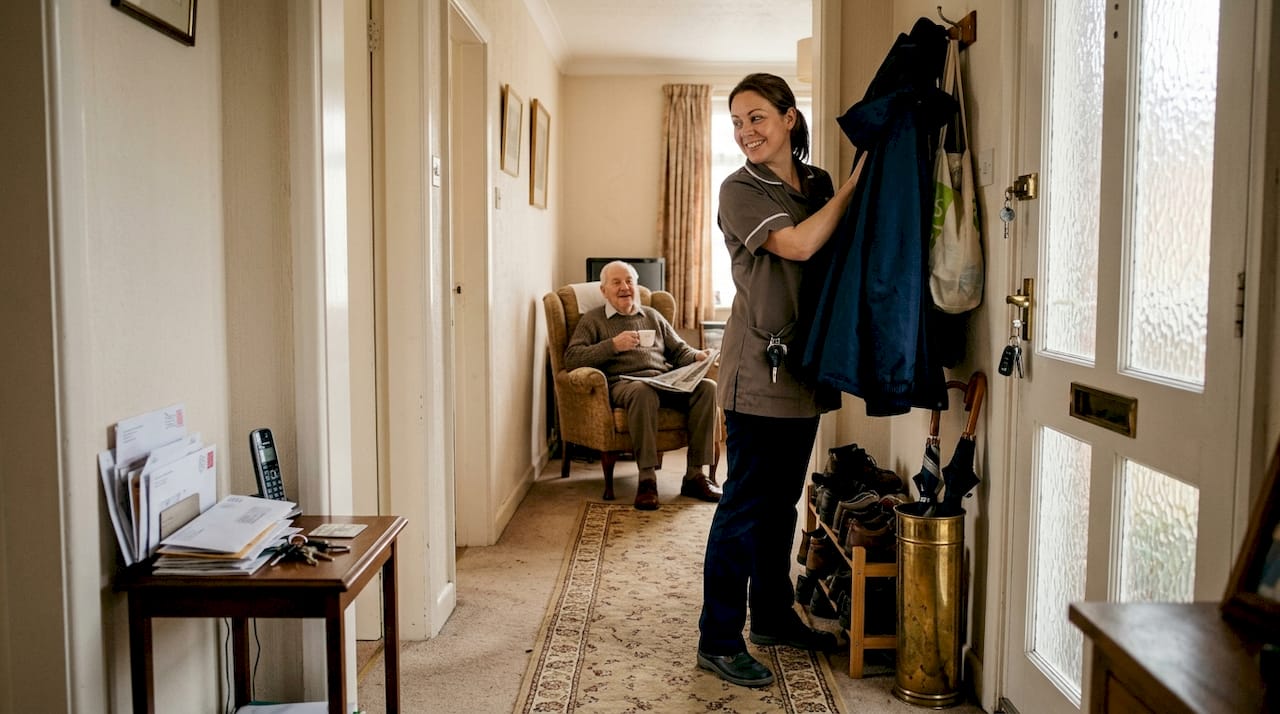
Methodologies include visiting care, companionship, and live-in care, with best practice emphasising consistent carers and personalised plans. When the same carer visits regularly, trust builds naturally. The person receiving care does not need to re-explain their preferences, their history, or their fears. That continuity reduces anxiety and supports cognitive stability.
For people living with dementia, empathic engagement through meta-cognitive skills such as anticipating needs and reinforcing identity is a hallmark of quality care. This means a skilled carer does not simply respond to requests. They observe, anticipate, and engage in ways that affirm the person’s sense of self.
Here are the most commonly reported emotional, cognitive, and social benefits of home care:
- Reduced feelings of loneliness and social isolation
- Greater sense of control and personal dignity
- Improved mood and emotional stability through consistent routine
- Maintained cognitive engagement through conversation and familiar activities
- Stronger family relationships, as carers support rather than replace family involvement
- Reduced carer burden on family members, lowering stress across the household
“Personalised, consistent care does not just meet needs. It recognises the whole person behind those needs.”
Families who want to stay closely involved can find practical guidance on how to communicate with carers effectively. Clear communication between family members and professional carers is one of the strongest predictors of positive outcomes.
Access, affordability, and the impact of self-directed home care payments
With the emotional and practical impact covered, it is vital to understand how families can access and fund the right home care. Cost is a real concern, and navigating the system can feel overwhelming. But there are structured pathways that make quality home care accessible.
Direct Payments are funds provided by a local council that allow individuals to purchase and manage their own care rather than receiving council-arranged services. This approach gives families far greater control over who provides care, when, and how. Direct Payments reduce unmet needs, particularly for healthier and younger elderly individuals who benefit most from tailored, flexible arrangements.
Here is how the data compares:
| Care funding model | Flexibility | Unmet needs reported | Personalisation |
|---|---|---|---|
| Council-managed care | Low | Higher | Limited |
| Direct Payments (self-directed) | High | Lower | Extensive |
The difference is clear. Self-directed care consistently delivers better alignment between individual needs and the support received.
To access support and payments in London, families typically follow these steps:
- Contact your local London borough council and request a care needs assessment
- Attend the assessment and clearly outline care priorities and daily challenges
- If eligible, request Direct Payments rather than council-arranged services
- Use the payments to select and manage a care provider that fits your loved one’s needs
- Review the care plan regularly and request reassessment if needs change
For a full overview of funding options, the guide on paying for home care is an excellent resource. Families who want a broader view of available options can also explore the care options for the elderly guide.
Pro Tip: Before any assessment meeting, write down a clear list of your loved one’s daily challenges, preferences, and priorities. Assessors can only respond to what they hear. A prepared, specific account leads to a far more accurate and useful outcome.
A fresh perspective: The real meaning of quality in home care
After years of working alongside London families navigating care decisions, we have noticed something consistent. Families often focus on the reputation of an agency, the list of services offered, or the price. These things matter. But they are rarely what makes the biggest difference day to day.
What truly shapes a meaningful care experience is trust, identity, and consistent human connection. A carer who knows that your mother prefers her tea without sugar, that she becomes anxious before doctor’s appointments, or that she lights up when someone mentions her grandchildren, that carer is providing something no checklist can capture.
Consistency of carer is, in our view, sometimes more important than provider reputation. A well-regarded agency that rotates staff frequently may deliver less value than a smaller provider whose carers visit reliably and build genuine relationships.
Family involvement also shapes outcomes in ways that are often underestimated. Families who stay engaged, communicate clearly with carers, and review care plans regularly see better results. This is explored further in our home care vs nursing comparison, which helps families weigh their options with clarity.
Empathy and anticipation are the real hallmarks of transformative care. Not just responding to needs, but understanding the person well enough to meet needs before they become distress.
Next steps for London families: Finding the right support
If this article has helped clarify why home care is so valuable, the next step is knowing where to turn. At Kells Home Care London, we have been supporting London families for over 30 years with personalised, CQC-regulated care that puts your loved one’s dignity and independence first. Whether you are just beginning to explore options or ready to arrange support, our London elderly home care guide is a practical starting point. You can also compare home care and nursing to make a fully informed decision. You are not alone in this. Expert guidance and compassionate care are closer than you think.
Frequently asked questions
What services are typically included in home care?
Home care covers tasks such as washing, dressing, meal preparation, medication support, and companionship, all tailored to the individual’s specific needs and preferences.
Is home care only for the elderly?
No. Home care supports anyone who faces challenges living independently, including disabled individuals of all ages who wish to remain in their own home.
How can families in London access self-directed home care payments?
Families can request a needs assessment from their local council, and if eligible, opt for Direct Payments to manage care funds directly and choose services that best fit their loved one’s needs.
What is the difference between home care and residential nursing care?
Home care provides support within the person’s own home with personalised, flexible arrangements, while residential care involves moving to a facility where staff-led support follows a more standardised structure.
Recommended
- Discover the advantages of home care for your loved ones – Kells Domiciliary Care
- Home care safety checklist: Key steps for London families – Kells Domiciliary Care
- Elderly home care in London: A guide for families – Kells Domiciliary Care
- Home care vs nursing: guide for London elderly families – Kells Domiciliary Care