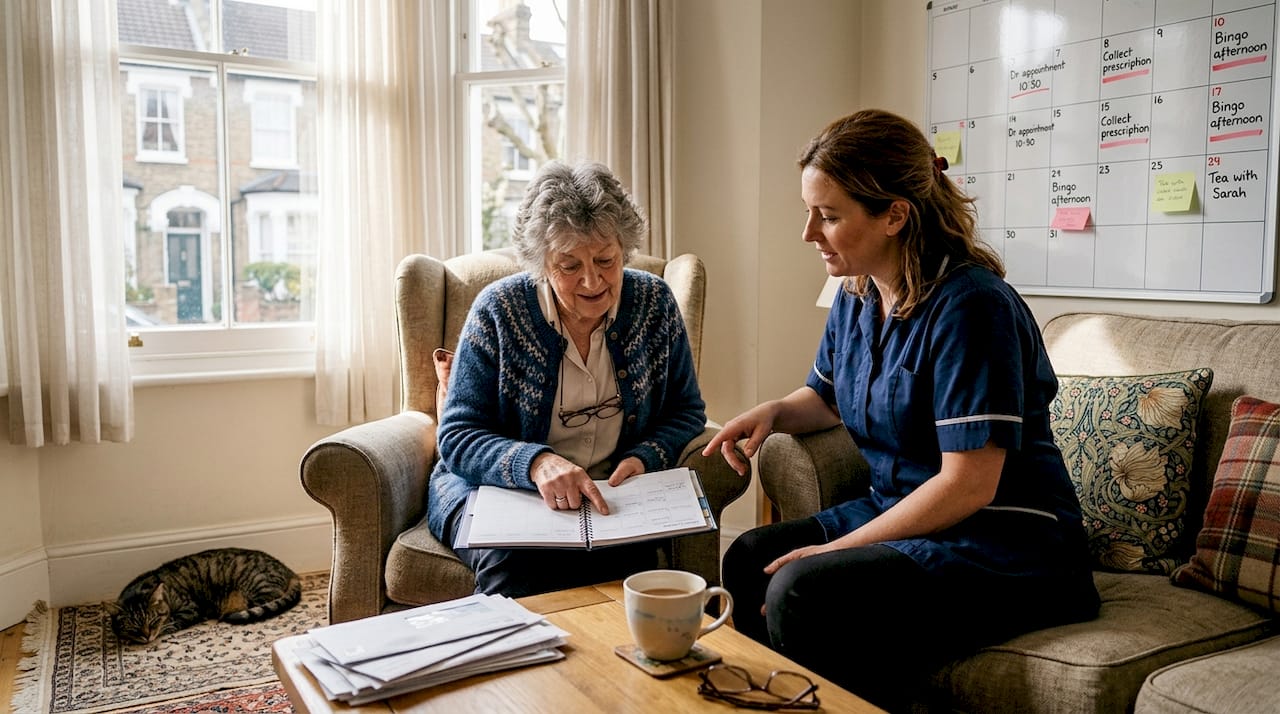
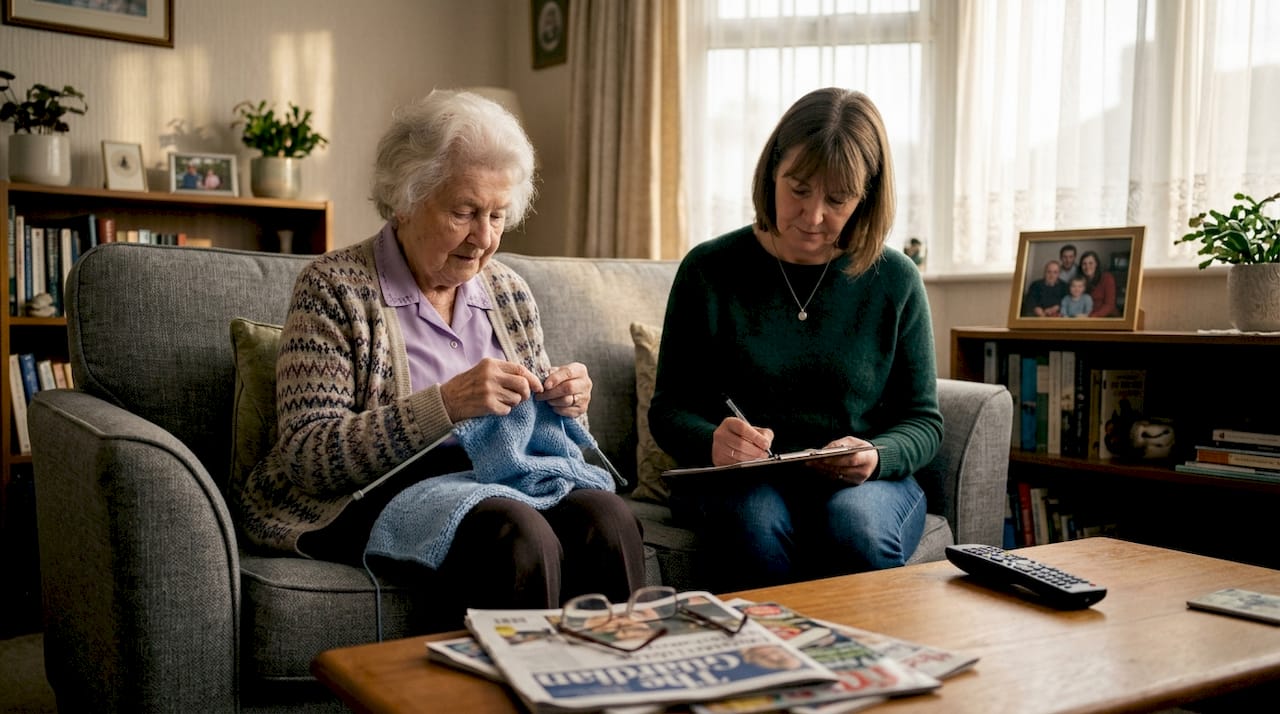
TL;DR:
- There are 5.7 million unpaid family carers in the UK providing vital, often unrecognized support.
- Family carers handle practical tasks and emotional support essential for maintaining independence and quality of life.
- Blending family care with professional support yields better outcomes and prevents burnout.
There are 5.7 million unpaid carers in the UK right now, many of them quietly managing meals, medication, and emotional support for someone they love, often without any formal recognition. Remarkably, 51% take over a year to even identify themselves as carers at all. If you are supporting an elderly parent, a relative with dementia, or a family member with a disability in London, you are already shaping their quality of life in ways that no professional service can fully replicate. This guide explains what that role truly involves, the challenges it brings, and how blending family care with professional support leads to the best outcomes for everyone.
Table of Contents
- Understanding the family’s role in home care
- Daily responsibilities and their impact on quality of life
- Challenges families face: burden, burnout, and the need for support
- Blending family care with professional support for better outcomes
- A realistic perspective: the untold complexities and unexpected rewards
- How Kells can support your family’s home care journey
- Frequently asked questions
Key Takeaways
| Point | Details |
|---|---|
| Families are frontline carers | Unpaid family members manage daily tasks and emotional support, forming the backbone of home care. |
| Carer burden is high | Most family carers face significant strain, increased risk of burnout, and need help to stay healthy. |
| Combining support works best | Blending family and professional care leads to better outcomes, improved quality of life, and reduced stress. |
| Early support prevents crisis | Registering as a carer and seeking assessment early opens access to vital resources and assistance. |
Understanding the family’s role in home care
Family involvement in home care means informal, unpaid support provided by relatives or close friends. It is not a formal arrangement. There is no contract, no rota handed down by a manager, and often no training. Yet it forms the foundation of care for millions of people across the UK.
The role of home carers within families is wide-ranging. It covers both practical and emotional dimensions that professionals cannot always replicate. Practically, family carers assist with:
- Preparing and serving meals
- Managing medication schedules
- Supporting personal hygiene and dressing
- Shopping and household tasks
- Helping with mobility and getting around safely
Emotionally, family carers provide something equally vital: companionship, advocacy, and a sense of belonging. They know the person’s preferences, history, and personality in a way that takes time to build. That familiarity is enormously reassuring for someone who may feel confused or vulnerable.
It is important to understand that professional home carers supplement the family’s role, they do not replace it. A professional carer brings clinical skills, consistency, and regulated oversight. But the family brings love, context, and continuity. Both matter. The advantages of home care are greatest when these two elements work in partnership.
“Family caregivers handle daily tasks like shopping, meals, medication, mobility, hygiene, and companionship, enabling independence and quality of life at home.”
Recognising your role early matters. The sooner you identify yourself as a carer, the sooner you can access assessments, benefits, and practical support. Many families wait until they are overwhelmed before seeking help, which makes everything harder. Acknowledging what you are doing is not a weakness. It is the first step towards doing it sustainably.
Daily responsibilities and their impact on quality of life
With a clearer sense of the family’s role, let us explore the specific responsibilities that shape daily life and well-being.
Family carers manage an enormous range of tasks, often across a full day. Meals, shopping, medication, hygiene, and mobility are the most visible duties, but there are many others that go unnoticed. Emotional support, safeguarding, and responding to sudden changes in health or behaviour are just as demanding.
Here is a summary of how daily responsibilities connect to quality of life outcomes:
| Daily task | Impact on well-being |
|---|---|
| Meal preparation | Maintains nutrition, energy, and routine |
| Medication management | Prevents missed doses and hospital admissions |
| Personal hygiene support | Preserves dignity and reduces infection risk |
| Companionship | Reduces isolation, anxiety, and low mood |
| Mobility assistance | Sustains independence and prevents falls |
| Household management | Creates a safe, comfortable environment |
These everyday acts are not small. They are the benefits for independence that allow a person to remain in their own home rather than moving into residential care. Research consistently shows that staying at home, with the right support, improves comfort and emotional well-being.
The following steps can help you manage daily responsibilities more effectively:
- Create a simple daily schedule that covers all key tasks
- Use a medication tracker or app to avoid errors
- Share responsibilities with other family members where possible
- Keep a brief daily log of any changes in health or mood
- Review the care plan regularly as needs change
Pro Tip: Keeping a written record of the tasks you carry out each week is one of the most practical things you can do. It helps you access advantages of home care funding and benefits, and it gives professionals a clear picture of what support is already in place.
Challenges families face: burden, burnout, and the need for support
As rewarding as caring can be, there are significant challenges that families must be prepared to manage.
Caring for a loved one at home is one of the most demanding things a person can do. Long hours, emotional fatigue, role reversal, and the physical demands of personal care all take a toll. Many carers also experience a profound sense of grief, watching someone they love change due to dementia or illness.
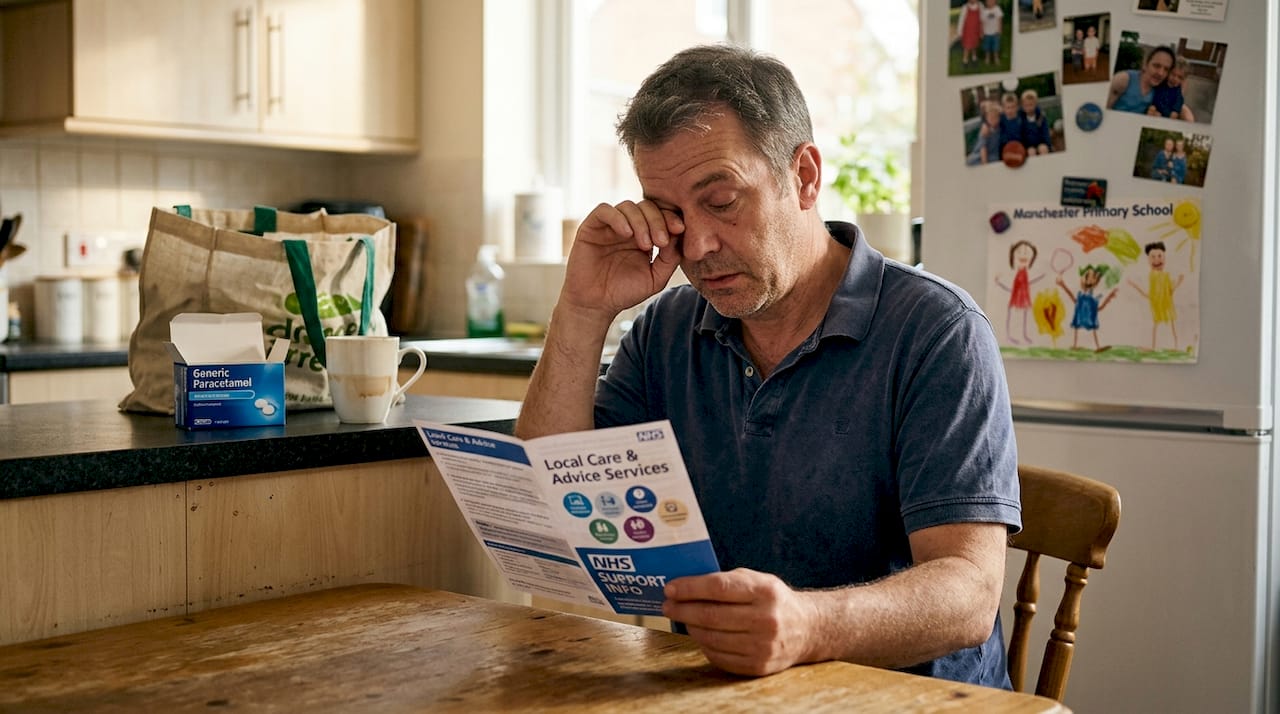
The statistics are stark. 74% of family carers report feeling worn out. The median caring commitment is 70 hours per week, and 14.1% of carers experience severe burden. These are not edge cases. This is the everyday reality for a huge number of London families.
Common challenges include:
- Persistent exhaustion and disrupted sleep
- Emotional strain, including guilt, grief, and anxiety
- Social isolation and loss of personal identity
- Financial pressure from reduced working hours
- Difficulty navigating NHS, council, and benefits systems
The risks of not seeking support are serious. Isolation worsens mental health. Missed benefits mean families carry costs they should not have to. Unmanaged carer stress can lead to crisis, which often results in emergency hospital admissions for the person being cared for.
For families supporting someone with dementia, a caring for dementia guide from Alzheimer’s Society offers practical, compassionate advice. It is well worth reading alongside the signs you need home care to understand when professional input becomes essential.
Pro Tip: Register with your local council as a carer as soon as possible. This unlocks a formal carer’s assessment, which can lead to financial support, respite care, and access to local services. Your GP can also flag your carer status on your medical record, which helps ensure your own health is monitored. Refer to this elderly home care guide for further practical steps. Learning how to communicate with carers professionally also makes a significant difference to outcomes.
Blending family care with professional support for better outcomes
Given these pressures, integrating professional support can dramatically improve both carer and patient outcomes.
Family carers and CQC-regulated professionals each bring something different to home care. Families provide emotional depth, personal history, and continuity. Professionals bring clinical expertise, regulated practice, and the capacity to deliver care consistently without burning out. Neither is sufficient alone for complex or long-term needs.
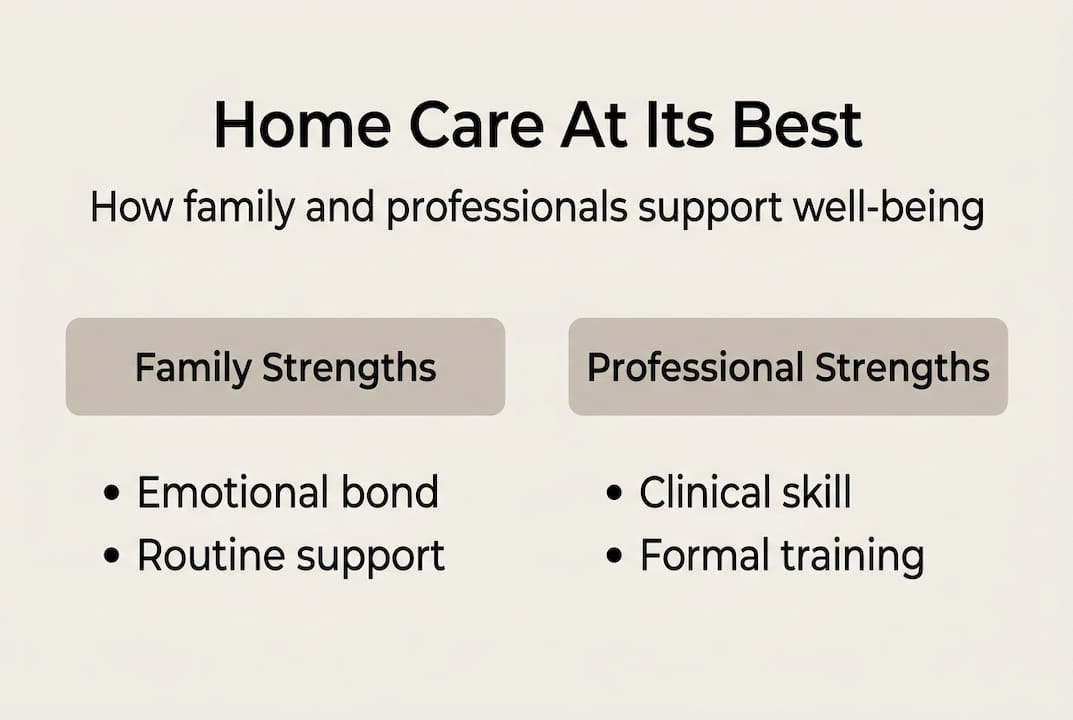
The NHS recommends that families register as carers to access assessments and benefits, and that professional services are used to supplement rather than replace informal care. This model keeps the person at the centre while protecting the carer’s well-being.
Here is how professional and family care compare:
| Type of care | Strengths | Limitations |
|---|---|---|
| Family care | Personal knowledge, emotional bond, flexibility | Risk of burnout, limited clinical skills |
| Professional care | Clinical training, CQC regulation, consistency | Less personal history, scheduled visits only |
| Blended approach | Combines both strengths, sustainable long-term | Requires coordination and communication |
Research shows that carer support interventions improve patient pain, quality of life, and fatigue, while also reducing carer distress, burden, and anxiety. The evidence is clear: blended care works.
If you are ready to explore professional support, here are practical steps for London families:
- Request a needs assessment from your local council for the person you care for
- Request a carer’s assessment for yourself
- Research CQC-regulated providers in your area
- Read about domiciliary care explained to understand your options
- Use a home care safety checklist to prepare the home environment
- Review a dementia home care guide if dementia is a factor
Coordination is key. When families and professionals share information openly, the person receiving care benefits from consistent, joined-up support that respects their preferences and promotes their independence.
A realistic perspective: the untold complexities and unexpected rewards
Guides like this one focus on steps and resources, and that is useful. But the deeper truth about home care is that it is as messy and as rewarding as family life itself.
Care is shaped as much by guilt, grief, and complicated family dynamics as it is by love. Many carers feel trapped between their own needs and their sense of duty. Sandwich carers, young onset dementia, and crisis following a fall or hospital discharge are situations that no checklist fully prepares you for. Respite care and shared family duties are not luxuries in these situations. They are necessities.
Neither taking on everything nor stepping back entirely is sustainable. The families who manage best are those who share the load honestly, have open conversations about limits, and seek outside help before they reach breaking point. They also allow for imperfection. Care is rarely seamless, and that is normal.
There is something else worth saying. Accepting help is not a failure. True dignity in care comes from recognising that vulnerability is part of being human, on both sides of the caring relationship. When you explore your care options guide and ask for support, you are not giving up. You are giving your loved one the best possible chance of a good quality of life at home.
How Kells can support your family’s home care journey
For London families needing guidance or extra support, dedicated advice and practical service are just a step away.
At Kells Domiciliary Care, we have been providing CQC-regulated home care across London for over 30 years. We understand that every family’s situation is different, which is why our services are personalised around your loved one’s specific needs. Whether you are considering your first step into professional care or need to understand the difference between home care vs nursing, we are here to help you make informed decisions. Our fully qualified, DBS-checked carers work alongside families to promote independence, dignity, and freedom of choice. Explore our domiciliary care guide or speak with our team to build a care plan that works for your family.
Frequently asked questions
How do I register as a carer in London to access support?
You can register with your local council and GP, which makes you eligible for a formal assessment and various benefits as a carer, including financial support and access to respite services.
What support is available for family carers experiencing burnout?
Respite care, local council services, and CQC-regulated home care agencies can offer vital relief. Caregiver burnout is a recognised risk, and seeking help early is always better than waiting for a crisis.
What practical tasks do family carers typically manage at home?
Family carers typically help with meals, shopping, medication, hygiene, mobility, household management, and emotional companionship, covering both physical and social needs.
Can professional home care be combined with family care?
Yes, and blending the two often produces the best outcomes. Families provide primary care while professional services add clinical support, consistency, and sustainability to the overall arrangement.
How soon should I seek support if I am struggling as a carer?
Seek help at the first sign of strain, not when you reach crisis. Early support prevents burnout and improves well-being for both the carer and the person receiving care.