TL;DR:
- Person-centred 24-hour care improves quality of life, reduces agitation, and prevents unnecessary hospital stays.
- High-quality home care emphasizes familiarity, routines, emotional connection, and family involvement.
- Regulation by CQC and understanding funding options are essential for safe, personalized support.
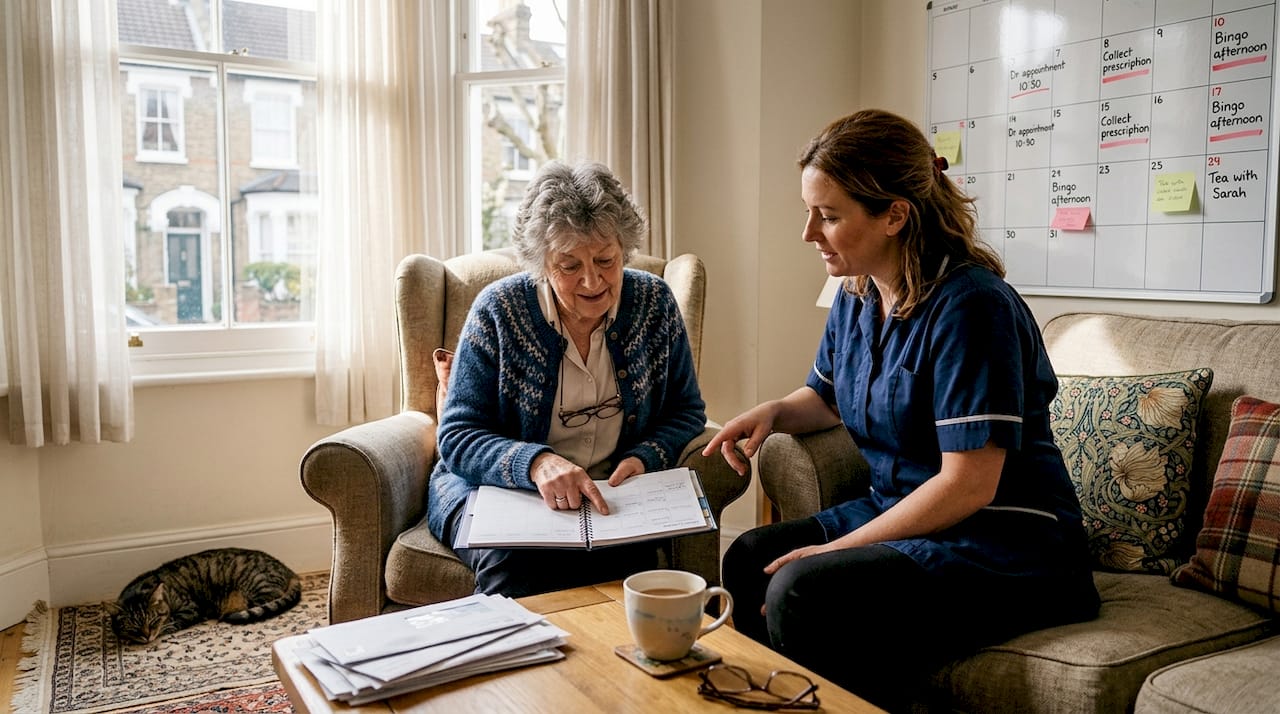
Many families in London assume that arranging 24-hour care for a loved one means surrendering their independence. In reality, the opposite is often true. Person-centred 24-hour care has been shown to improve quality of life scores, reduce agitation, and cut unnecessary hospital costs for people living with dementia. This guide explains exactly what 24-hour home care involves, how it compares to other options, and how you can make a confident, informed decision for your family. Whether your relative is elderly, living with a disability, or managing a complex health condition, the right care can make an enormous difference.
Table of Contents
- What does 24-hour care really mean?
- How 24-hour home care supports quality of life
- Comparing 24-hour home care to residential and nursing homes
- Navigating funding, regulation, and choosing a provider
- Why quality 24-hour care in London is about more than supervision
- Explore the next steps with trusted 24-hour home care in London
- Frequently asked questions
Key Takeaways
| Point | Details |
|---|---|
| Person-centred focus | 24-hour care in the home is tailored to individual preferences and wellbeing. |
| Cost and quality benefits | Research shows improved outcomes and potential cost savings compared to other options. |
| Regulated for safety | All reputable agencies must meet CQC’s 16 fundamental standards. |
| Supports independence | 24-hour care supports staying at home and maintaining normal life. |
What does 24-hour care really mean?
There is a common misconception that 24-hour care is only for people in crisis or those who have lost all ability to manage daily life. In truth, it covers a wide spectrum of support, all delivered in the comfort of your loved one’s own home.
Domiciliary care explained in simple terms means professional carers are present around the clock, either as live-in carers or through rotating shift teams. The goal is to ensure someone is always available, day or night, to assist with whatever is needed.
The types of support that 24-hour care typically covers include:
- Personal care: bathing, dressing, and toileting assistance
- Medication management: ensuring medicines are taken correctly and on time
- Dementia support: familiar routines, cognitive engagement, and safe monitoring
- Companionship: reducing isolation and maintaining emotional wellbeing
- Complex health needs: support following stroke, surgery, or for those with disabilities
- Household tasks: meal preparation, light cleaning, and shopping
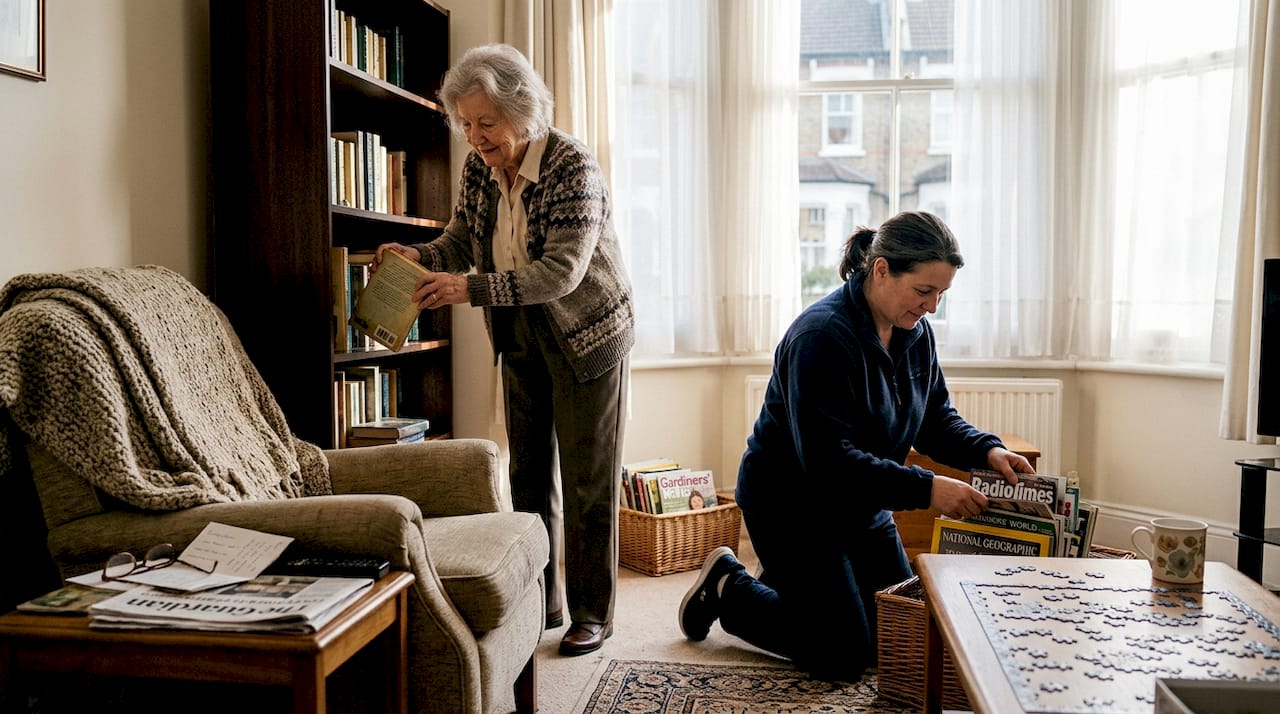
The role of home carers is far broader than many people realise. Trained carers build genuine relationships with clients, learning their preferences, routines, and personalities over time.
In 2023, 489,000 people received domiciliary care per week across the UK, reflecting just how widely this form of support is used. All reputable providers must be registered with the Care Quality Commission (CQC), the independent regulator for health and social care in England.
Pro Tip: Arranging 24-hour care at home often prevents unnecessary hospital admissions. Staying in a familiar environment reduces stress and disorientation, particularly for those living with dementia, and can actually support faster recovery after illness or surgery.
How 24-hour home care supports quality of life
Now that we know what 24-hour care entails, let us explore the difference it makes to wellbeing and everyday life.
The most effective 24-hour care is built around the individual, not a fixed schedule. A person-centred approach means carers adapt routines, activities, and communication styles to suit the client’s preferences, history, and current needs. For someone living with dementia, this might mean following familiar morning rituals, listening to favourite music, or maintaining social connections that bring comfort.
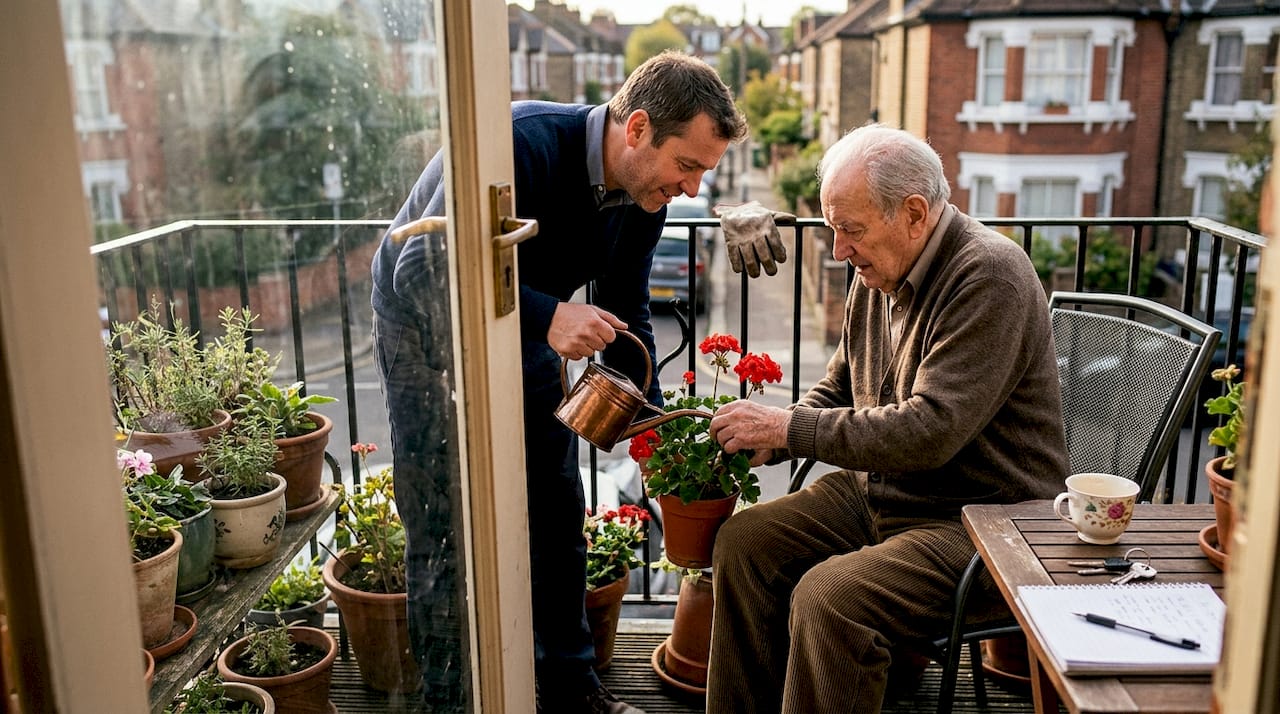
The evidence supporting this approach is compelling. Research published in the British Journal of General Practice found that person-centred care improves quality of life (DEMQOL score +2.54), reduces agitation, and delivers meaningful cost savings compared to standard care. These are not small improvements. They represent a measurable shift in how people feel day to day.
A complete guide to home care services can help you understand the full range of support available, but the core principle is consistent: good care preserves dignity and promotes independence.
Research into quality home care for people with dementia also highlights that “good” care means empathic engagement and anticipating needs before problems arise, rather than simply responding to them.
Here is how high-quality 24-hour home care supports wellbeing in practical terms:
- Familiar environment: Remaining at home reduces anxiety and supports cognitive stability, particularly for those with dementia.
- Maintained routines: Consistent daily patterns provide reassurance and reduce behavioural difficulties.
- Greater family involvement: Families can visit freely and remain closely involved in decisions, unlike in residential settings.
- Preventive support: Carers notice early warning signs of deterioration, enabling prompt action before a crisis develops.
- Emotional connection: Regular carers build trust and understanding, reducing loneliness and improving mood.
“Empathic engagement and the anticipation of needs are the hallmarks of truly excellent home care. When carers understand a person deeply, they can support independence rather than replace it.”
Comparing 24-hour home care to residential and nursing homes
Understanding its unique benefits, it helps to see 24-hour home care alongside other options.
Families often face a difficult choice between keeping a loved one at home with full-time support and moving them into a residential or nursing facility. Both have their place, but the differences are significant.
| Factor | 24-hour home care | Residential care home | Nursing home |
|---|---|---|---|
| Setting | Own home | Shared facility | Shared medical facility |
| Independence | High | Moderate | Low to moderate |
| Personalisation | Very high | Limited | Limited |
| Family involvement | Flexible and open | Restricted visiting | Restricted visiting |
| Medical support | Coordinated with GP | On-site staff | On-site nursing staff |
| Cost | Variable | £35,000 to £50,000/yr | £45,000 to £65,000/yr |
One factor that is often overlooked is the financial impact of preventive care. GP continuity in dementia care saves approximately £2,097 per person per year through fewer unplanned hospital admissions. When 24-hour home care keeps someone stable and well-supported, the wider health system benefits too.
Understanding the home care vs nursing guide options in detail can help you weigh up what matters most for your family’s circumstances.
Pro Tip: When comparing providers, always check whether they are CQC-registered. The private vs agency home care differences matter significantly for accountability, insurance, and the quality of oversight you can expect.
Navigating funding, regulation, and choosing a provider
Once you have settled on 24-hour care at home, it is crucial to navigate the practicalities, from funding to finding the right provider.
Understanding CQC regulation
All home care agencies operating in England must be registered with the CQC. 24-hour care is regulated under 16 fundamental standards, covering areas such as person-centred care, dignity, safety, and good governance. Choosing a CQC-registered agency gives you a clear framework for accountability and recourse if standards are not met.
Funding options available in 2026
| Funding route | Eligibility criteria | What it covers |
|---|---|---|
| Local authority funding | Assets below £23,250 | Assessed care needs |
| NHS Continuing Healthcare | Primary health need | Full care package |
| Self-funding | Above asset threshold | Any agreed care plan |
| Direct payments | Local authority assessed | Flexible personal budget |
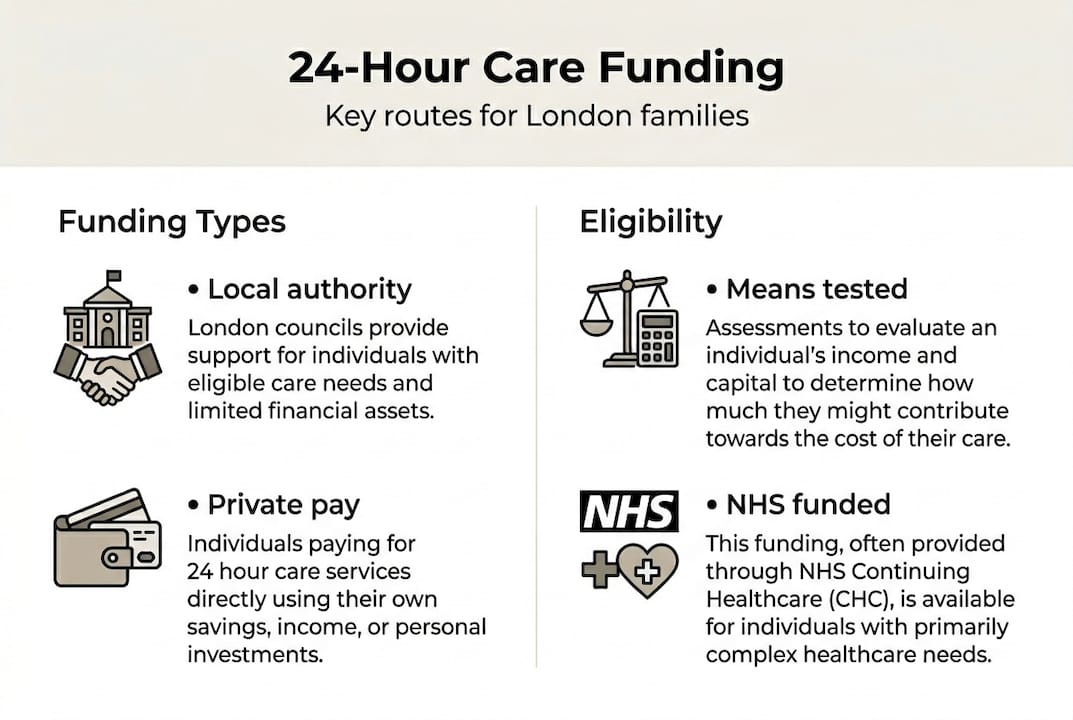
If your relative’s assets fall below £23,250, they may qualify for local authority support following a needs assessment. If their care needs are primarily health-related, NHS Continuing Healthcare may cover the full cost. It is worth requesting both assessments, as many families are unaware they may qualify.
When choosing a home care agency, ask the following questions:
- Is the agency registered with the CQC and what is their latest inspection rating?
- Are all carers DBS checked and fully trained?
- How is the care plan developed and reviewed?
- What happens if a regular carer is unavailable?
- How does the agency handle complaints or concerns?
Understanding the full range of support options explained helps you ask better questions and make a more confident choice. You should also review the details of paying for home care before committing to any arrangement.
Why quality 24-hour care in London is about more than supervision
There is a tendency to judge 24-hour care by whether a carer is physically present. But presence alone is not quality care.
At Kells, we have seen what genuinely excellent care looks like over more than 30 years of supporting London families. The carers who make the biggest difference are not simply those who follow a checklist. They are the ones who notice when a client seems quieter than usual, who remember that someone prefers their tea without sugar, and who anticipate a need before it becomes a problem.
Research confirms this. Empathic engagement and meta-cognitive skills, meaning the ability to reflect on and adapt care in real time, are what distinguish good care from exceptional care.
London families deserve to expect more than coverage. They deserve carers who are genuinely invested in their relative’s dignity, independence, and happiness. Understanding how families shape quality home care for their loved ones is a powerful step towards making that happen. Ask questions, stay involved, and hold providers to a high standard.
Explore the next steps with trusted 24-hour home care in London
With the right knowledge and expectations, you can move forward with confidence and support.
At Kells Domiciliary Care, we have been providing high-quality, CQC-regulated home care across London for over 30 years. Our carers are fully trained, DBS checked, and committed to person-centred support that promotes independence, dignity, and genuine quality of life. Whether you are just starting to explore options or ready to arrange care, we are here to help.
Begin by reading our domiciliary care family guide for a clear overview of how home support works. You can also compare your options in our home care vs nursing resource, or follow our practical 5 steps to choose an agency guide to find the right provider for your family.
Frequently asked questions
Who can benefit from 24-hour home care in London?
Elderly people, those living with disabilities, or anyone needing round-the-clock support for dementia or complex health needs can benefit greatly. 24-hour care improves wellbeing for a wide range of individuals who wish to remain in their own home.
How is 24-hour care regulated in London?
All home care agencies must comply with CQC’s 16 fundamental standards, which cover safety, person-centred care, and provider governance. Always verify an agency’s CQC registration before proceeding.
Can 24-hour care help prevent hospital admissions?
Yes. Evidence shows that consistent, person-centred home care reduces unplanned admissions, and GP continuity saves £2,097 per person per year in dementia care through better health management.
What funding options are available for 24-hour care in London?
You may qualify for local authority funding if your assets are below £23,250, or for NHS Continuing Healthcare if care needs are primarily health-related. A formal needs assessment is the first step.
Recommended
- Home care services: a complete guide for London families – Kells Domiciliary Care
- Elderly home care in London: A guide for families – Kells Domiciliary Care
- Post-hospital home care: a London family guide 2026 – Kells Domiciliary Care
- Questions to ask home care agencies: London guide – Kells Domiciliary Care