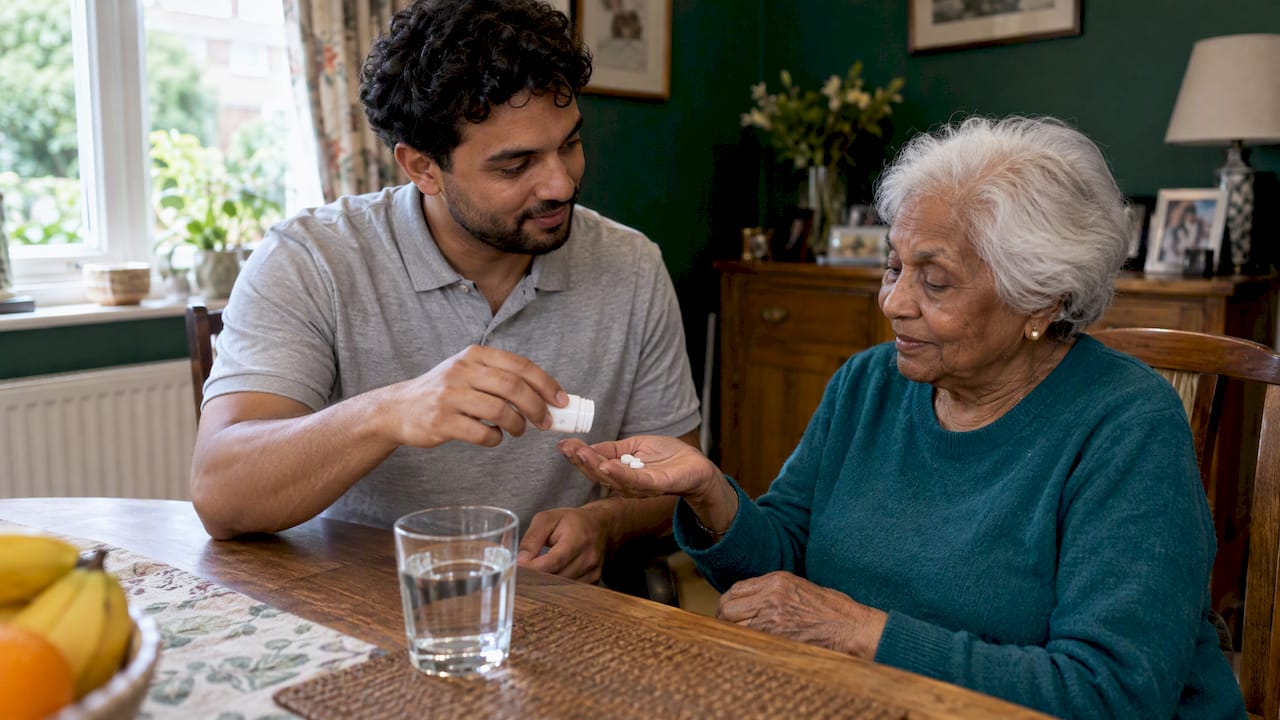
How to Treat Hypoglycaemia in Older People at Home
How to treat low blood sugar in an older person step by step: the 15-20g carbohydrate method, what to do if they are drowsy, and how to prevent repeat hypos.

How to treat low blood sugar in an older person step by step: the 15-20g carbohydrate method, what to do if they are drowsy, and how to prevent repeat hypos.
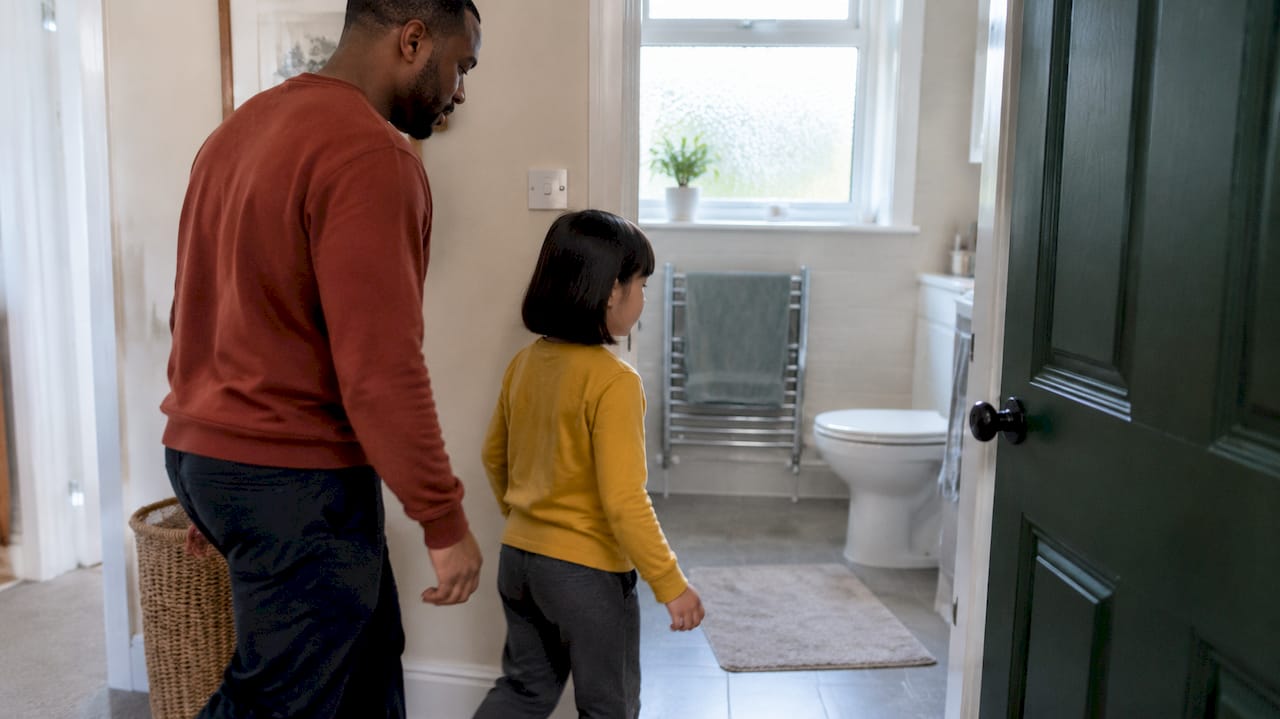
How to toilet train an autistic child: when to start, visual steps, constipation, accidents, sensory needs and consistency across home, school and carers.
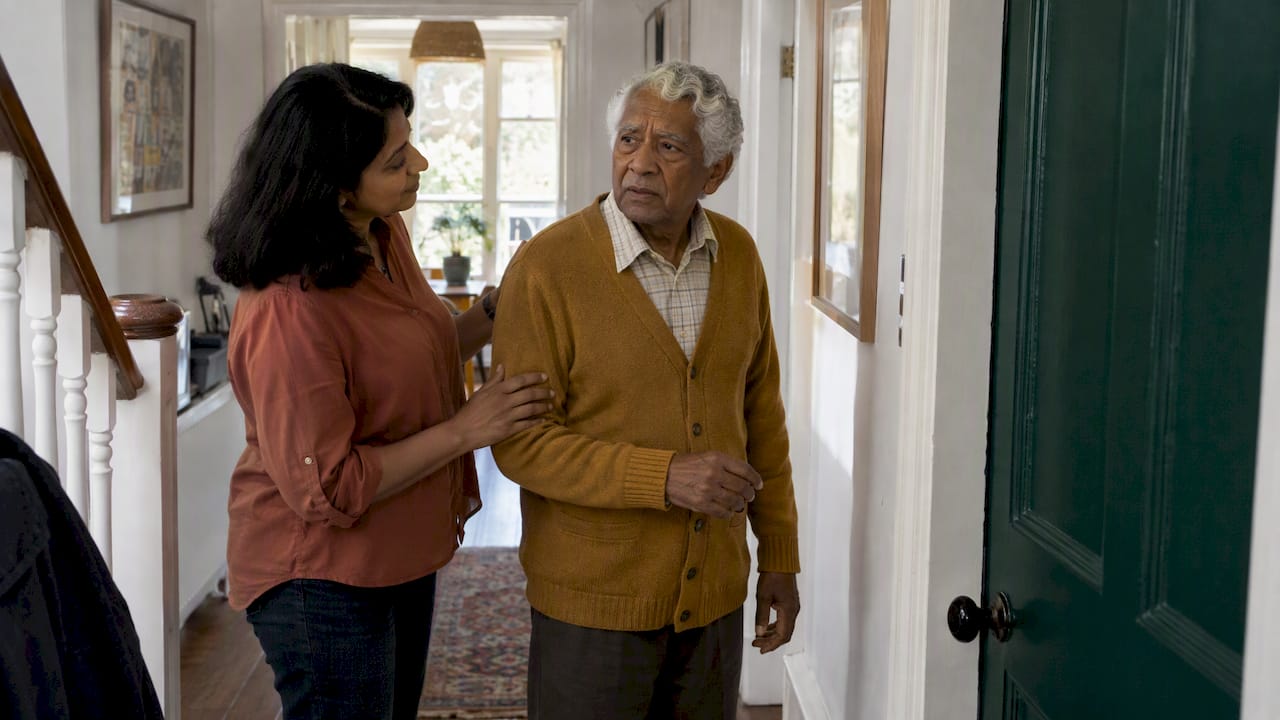
Sudden confusion in an older person can signal a UTI, but not always. Learn the signs, when to call for help, and how to ease swallowing problems at home.
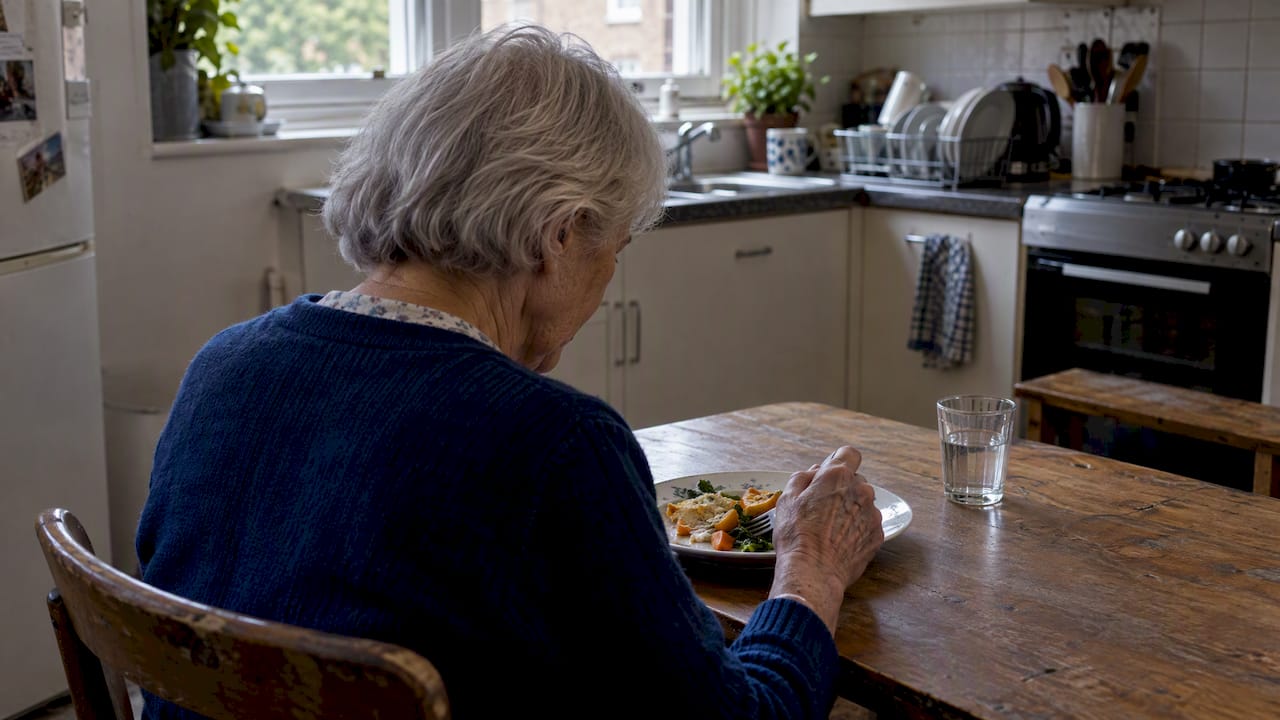
Why an older person stops eating, which causes to check first, when to call the GP, and practical ways to help at home, including constipation and dementia.
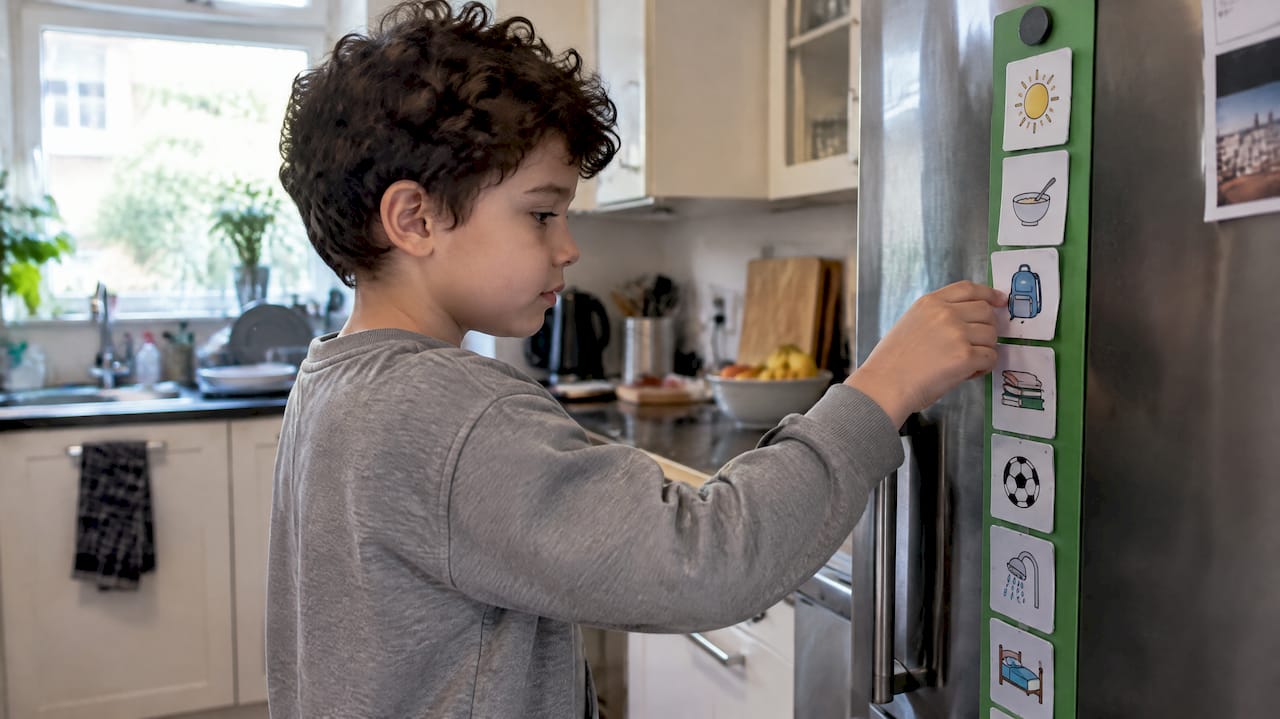
How to make an autism visual schedule at home: formats, a now and next start, a step-by-step build, common mistakes and when extra support helps.
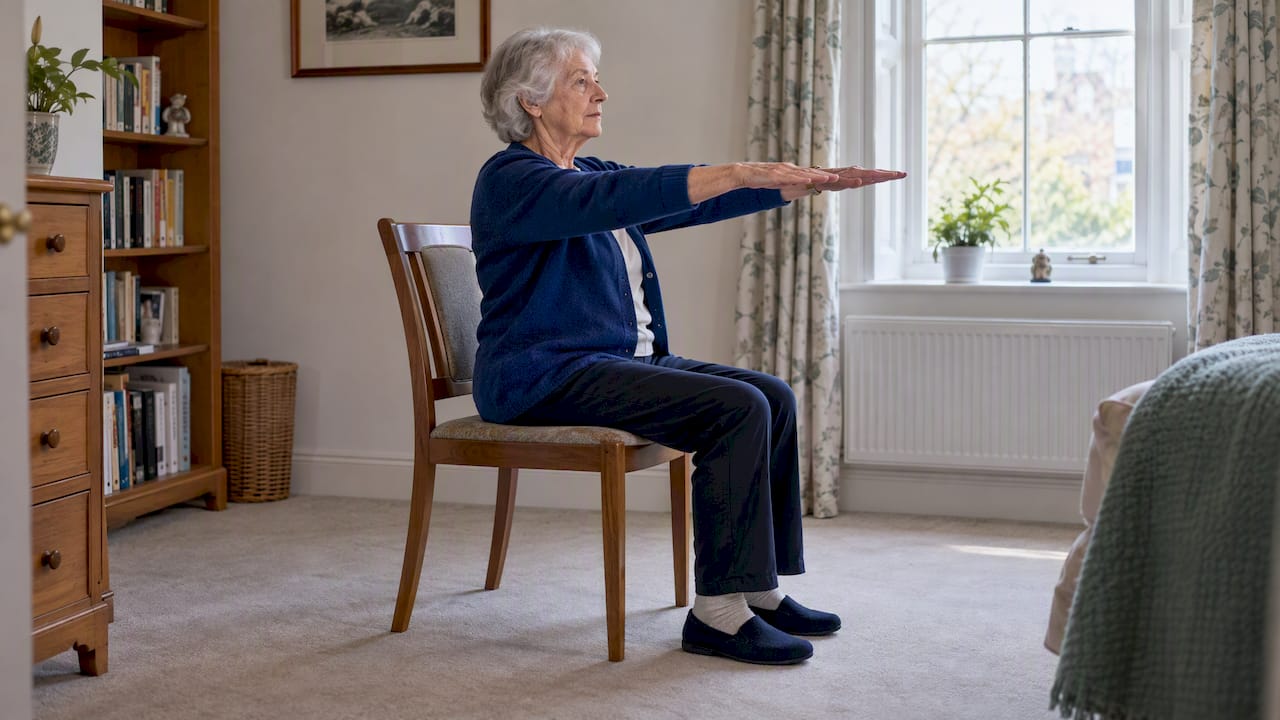
A safe, gentle seated routine for older adults: how to set up your chair, six simple exercises, how often to do them, and when to ask for help.
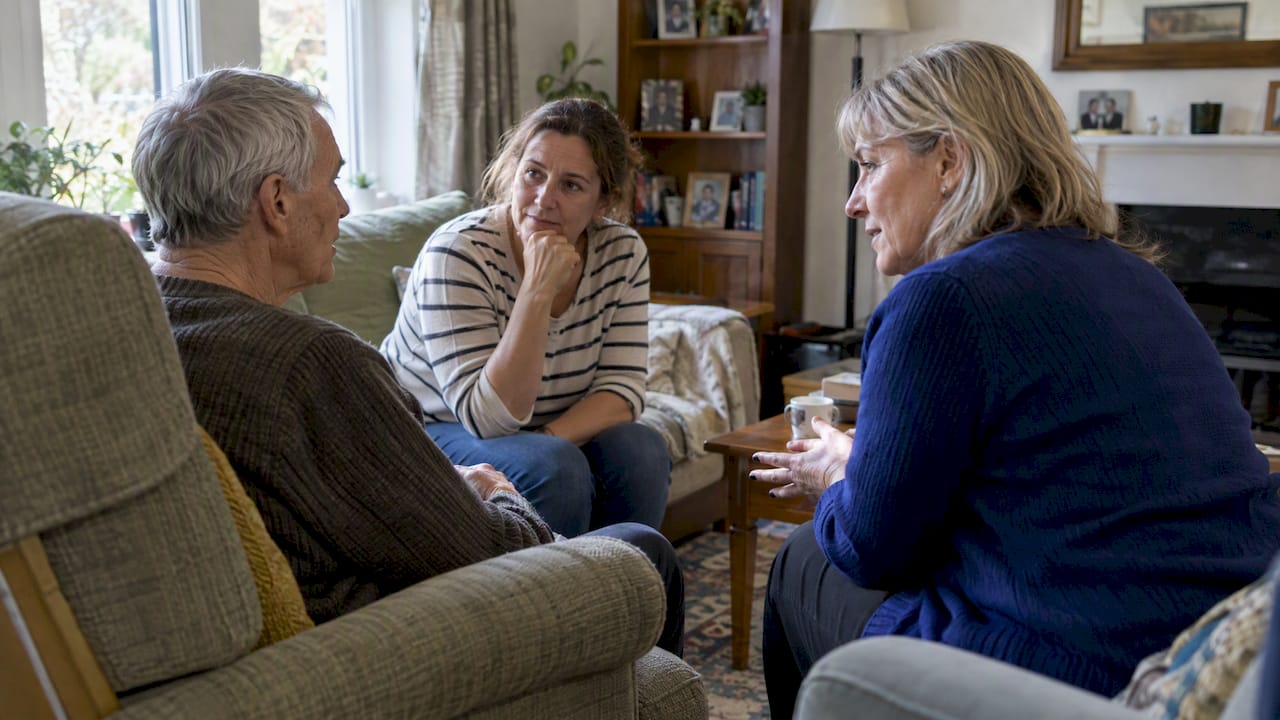
How to arrange motor neurone disease care at home in the UK: assessments, funding routes, what carers should do, and when to add live-in or two-carer support.
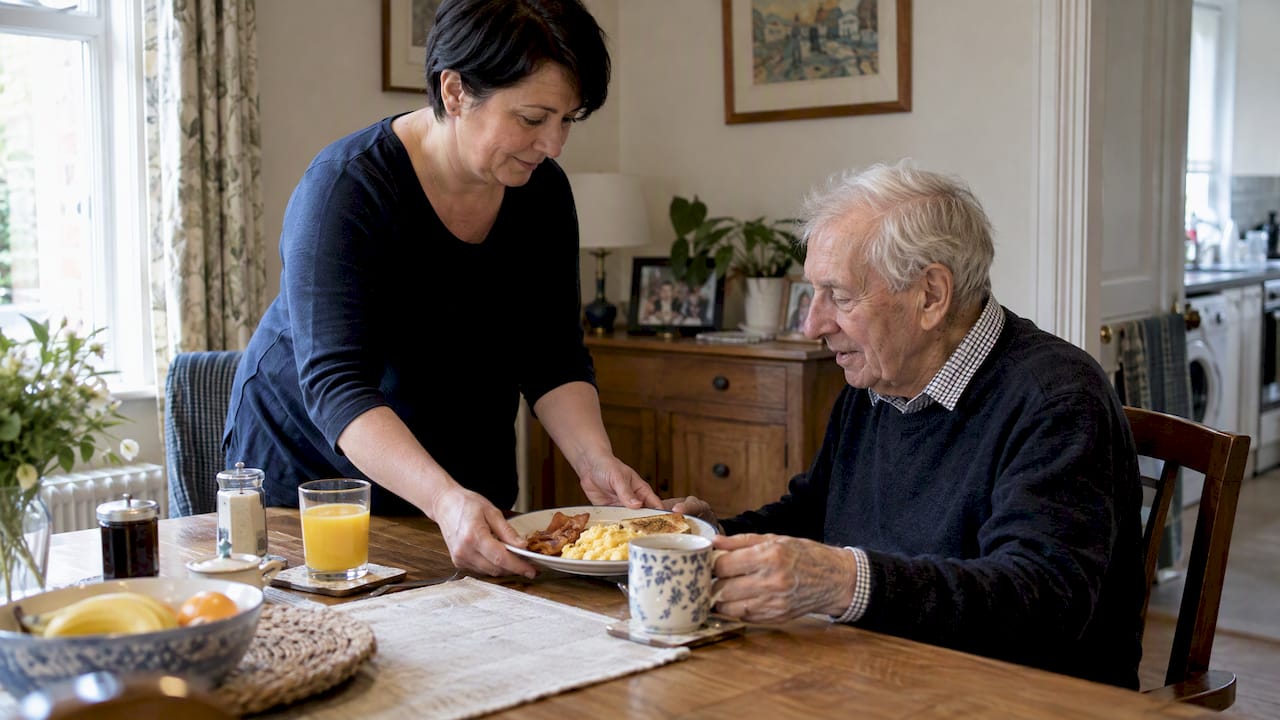
What does a live-in carer do? A clear UK guide to daily duties, night-time support, breaks, what carers cannot do, and how to agree the plan.
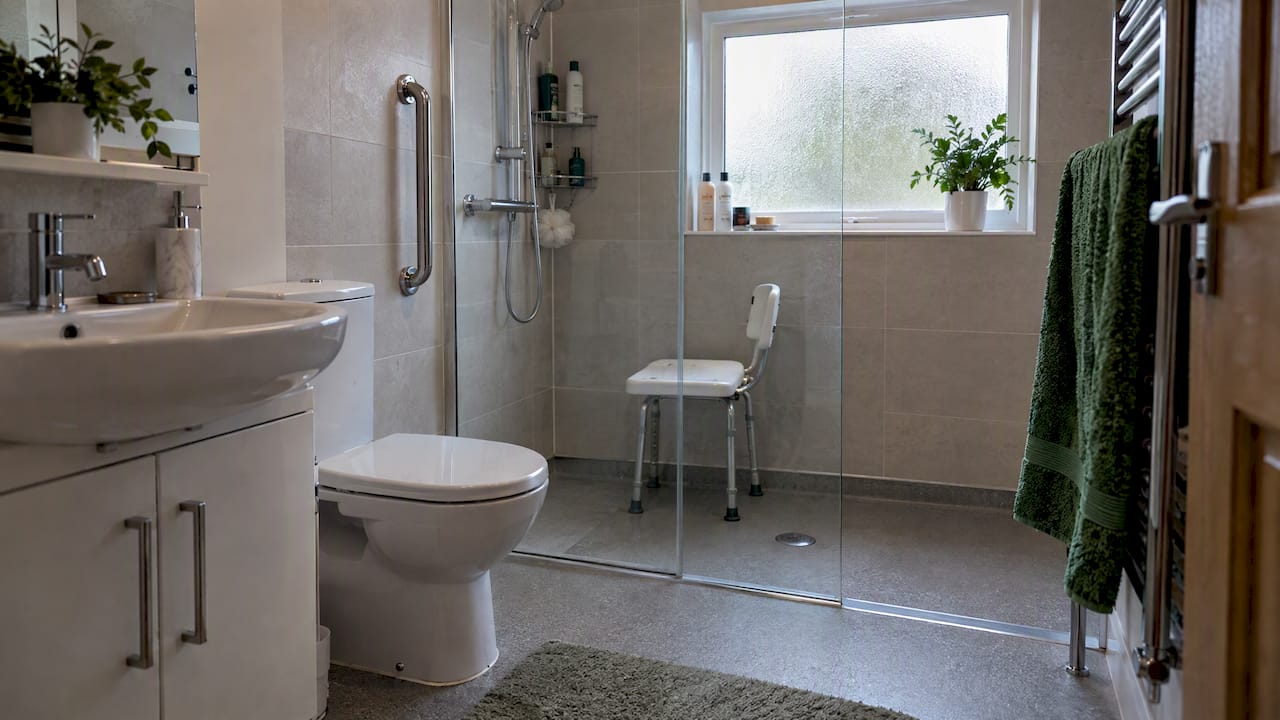
See how bathroom adaptations help older adults stay safe and independent, with quick fixes, council support, and how to request a free assessment.
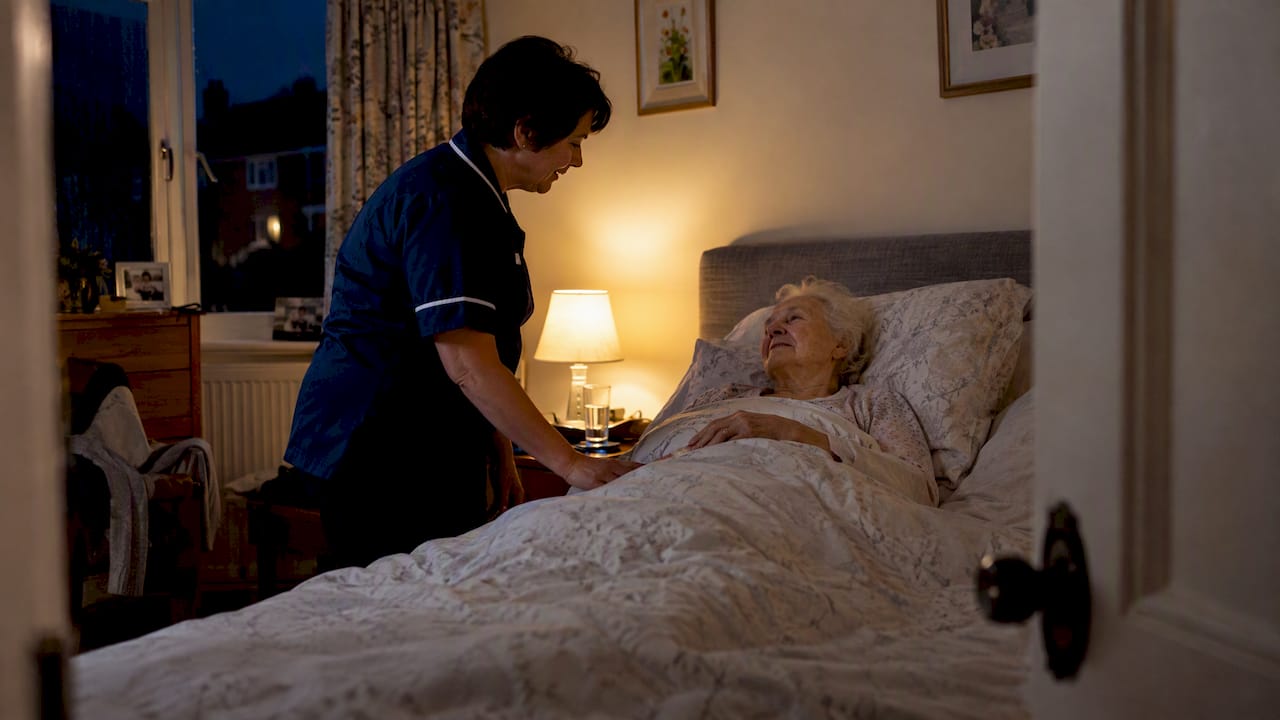
Compare night support at home with short care home stays, then learn how UK family carers can assess needs, check safety, plan costs, and arrange a break.