TL;DR:
- Creating a consistent daily routine and engaging in meaningful activities enhance emotional wellbeing for loved ones with dementia at home.
- Effective communication involves simple, calm, and empathetic language, validating feelings rather than correcting facts.
- Proactive planning, assessment, and personalised care plans significantly improve quality of life and independence for families in London.
Caring for a loved one with dementia at home is both deeply rewarding and genuinely overwhelming. You want to do everything right, yet the weight of daily decisions, emotional strain, and practical complexity can feel relentless. The good news is that evidence-based strategies do exist, and they make a real, measurable difference. This article walks you through practical approaches to daily structure, communication, care planning, carer wellbeing, and personalised support, giving London families the tools to improve quality of life and preserve independence for their loved one at home.
Table of Contents
- Start with a daily structure and meaningful activities
- Communicate clearly and compassionately
- Plan ahead: assessment, coordination, and safety
- Support the carer as well as your loved one
- Personalised care plans: measurable impact for London families
- What most dementia care advice overlooks for London families
- Practical resources: next steps for dementia care in London
- Frequently asked questions
Key Takeaways
| Point | Details |
|---|---|
| Routine aids stability | A consistent daily structure reduces confusion and distress for loved ones with dementia. |
| Communication matters | Simple, empathetic conversation fosters better understanding and stronger connections. |
| Professional support is key | Assessments, coordinated care plans, and respite prevent carer burnout and ensure safety. |
| Personalised care works | Tailored strategies and digital support deliver measurable improvements in cognition and wellbeing. |
Start with a daily structure and meaningful activities
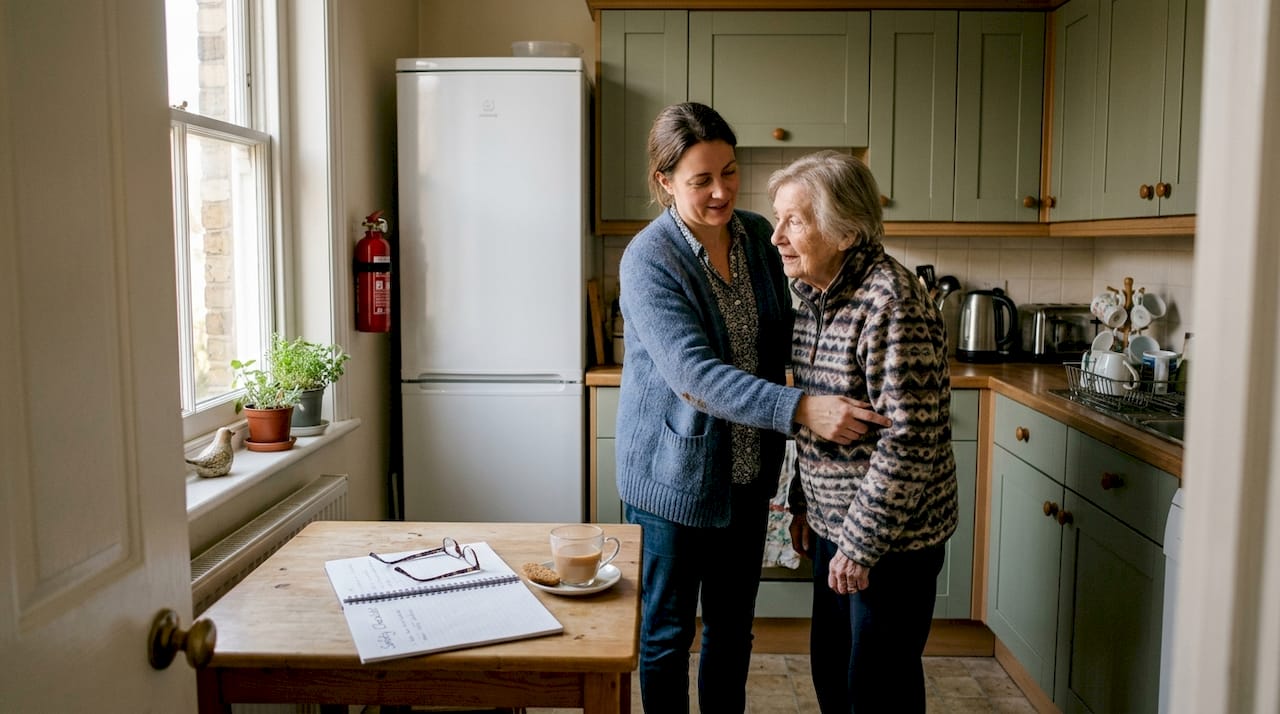
One of the most effective things you can do for a loved one with dementia is create a consistent daily routine. Predictability reduces confusion and lowers anxiety because familiar patterns help the brain navigate the day without constant effort. When your loved one knows what to expect, they feel safer and more settled.
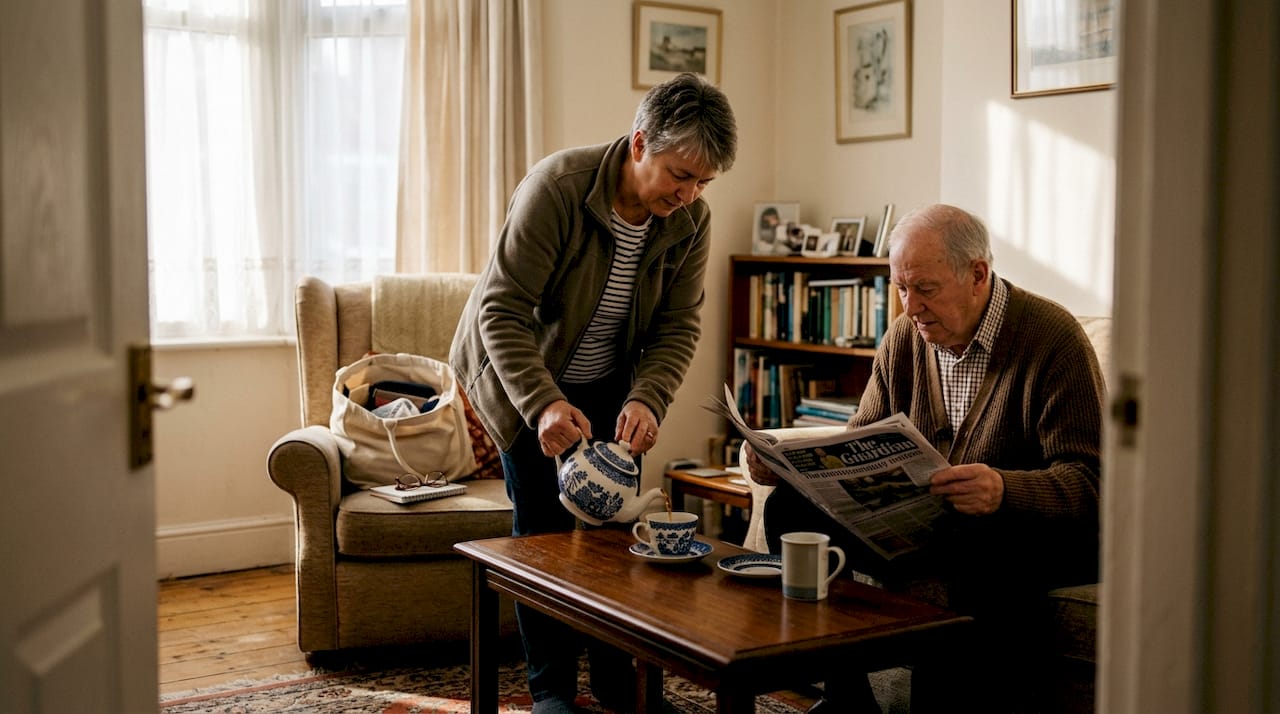
Revisiting memories together improves emotional wellbeing in dementia care, and structured reminiscence is one of the most accessible tools available to families. This simply means setting aside time to talk about past experiences, look through photograph albums, or handle meaningful objects from earlier life. It strengthens emotional connection and provides genuine cognitive stimulation.
Activities tailored to your loved one’s interests also play a vital role. Consider which hobbies brought them joy before dementia, and find adapted versions that still feel meaningful. Some ideas include:
- Gentle gardening or tending to houseplants
- Listening to music from their youth or favourite era
- Simple jigsaw puzzles or card games
- Baking familiar recipes with guided support
- Looking through old London street maps or local history books
Pro Tip: Use familiar London landmarks, tube maps, or photographs of well-known local areas to spark conversation and memory. A photo of Regent’s Park, a postcard from Brixton Market, or a programme from the Palladium can be surprisingly powerful prompts for someone who spent decades in the city.
“Maintaining daily routines and meaningful activities reduces confusion and enhances quality of life; structured reminiscence, such as revisiting memories, improves emotional wellbeing.”
For families thinking about personalising home care arrangements, building activities into the daily structure is an important early step. It ensures that care feels human and connected, not just functional.
With structure as the foundation, communication style shapes how well families connect day to day.
Communicate clearly and compassionately
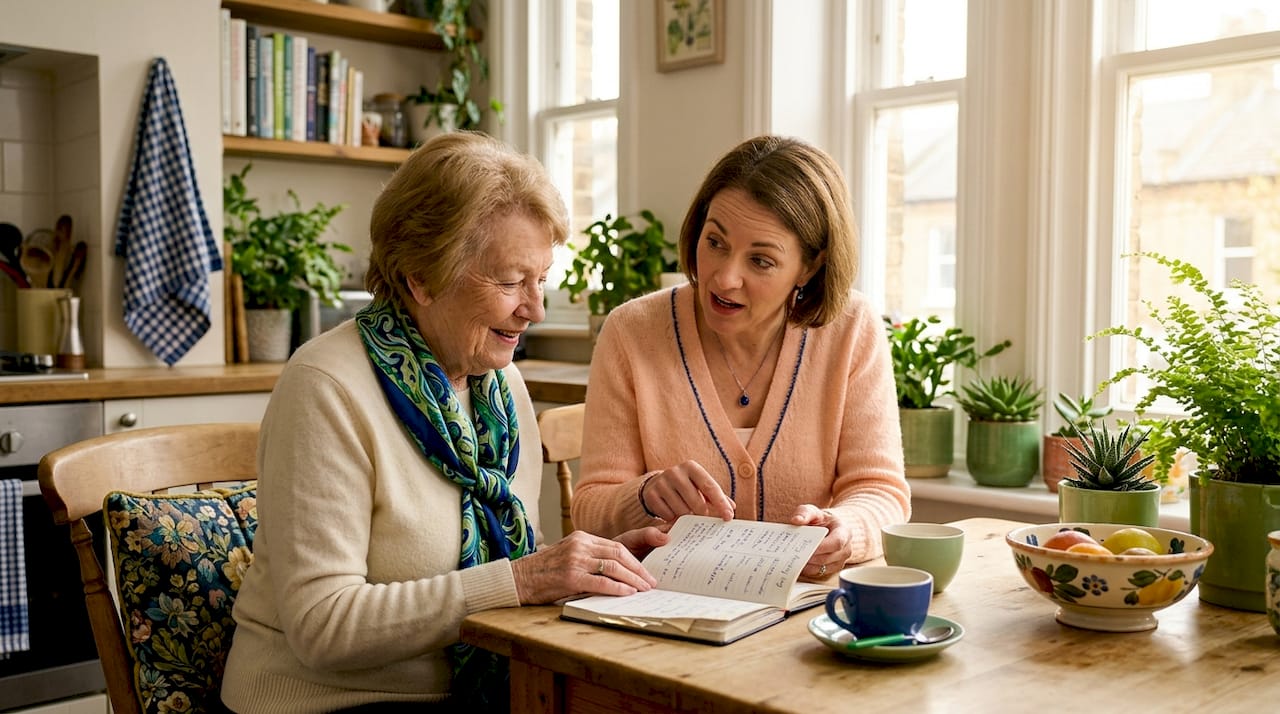
How you speak with someone living with dementia matters enormously. It can be the difference between a calm, connected moment and one that leads to distress for both of you. The key is to simplify without being condescending, and to always prioritise emotional truth over factual correction.
Research published in 2025 highlights communication approaches that work across diverse family settings, emphasising the value of entering your loved one’s reality rather than correcting them. If your mother believes she is waiting for her own mother to arrive, arguing the facts causes pain without benefit. Validating her feelings and gently redirecting attention is far more effective.
Here are practical steps to communicate well every day:
- Use short, simple sentences with one idea at a time.
- Speak slowly and clearly, and allow time for a response.
- Make eye contact and use a calm, warm tone of voice.
- Nod and use gentle touch where appropriate to convey reassurance.
- Avoid quizzing or correcting. Focus on feelings, not facts.
- If frustration rises, pause the conversation and try again later.
For families in London where many households speak more than one language, this matters even more. Communicating with carers effectively also means sharing these strategies with any professional carer who visits, so that everyone uses a consistent and sensitive approach.
Understanding the family role in care is equally important. When family members communicate cohesively and share information clearly with paid carers, the person with dementia benefits from a more consistent, reassuring environment.
Effective communication forms the core of daily care, but robust strategies also require thoughtful planning and coordination with professionals.
Plan ahead: assessment, coordination, and safety
Proactive planning is one of the most protective things a family can do. Many families wait until a crisis before seeking formal support, and this creates unnecessary stress. Getting the right structures in place early gives everyone more options and more control.
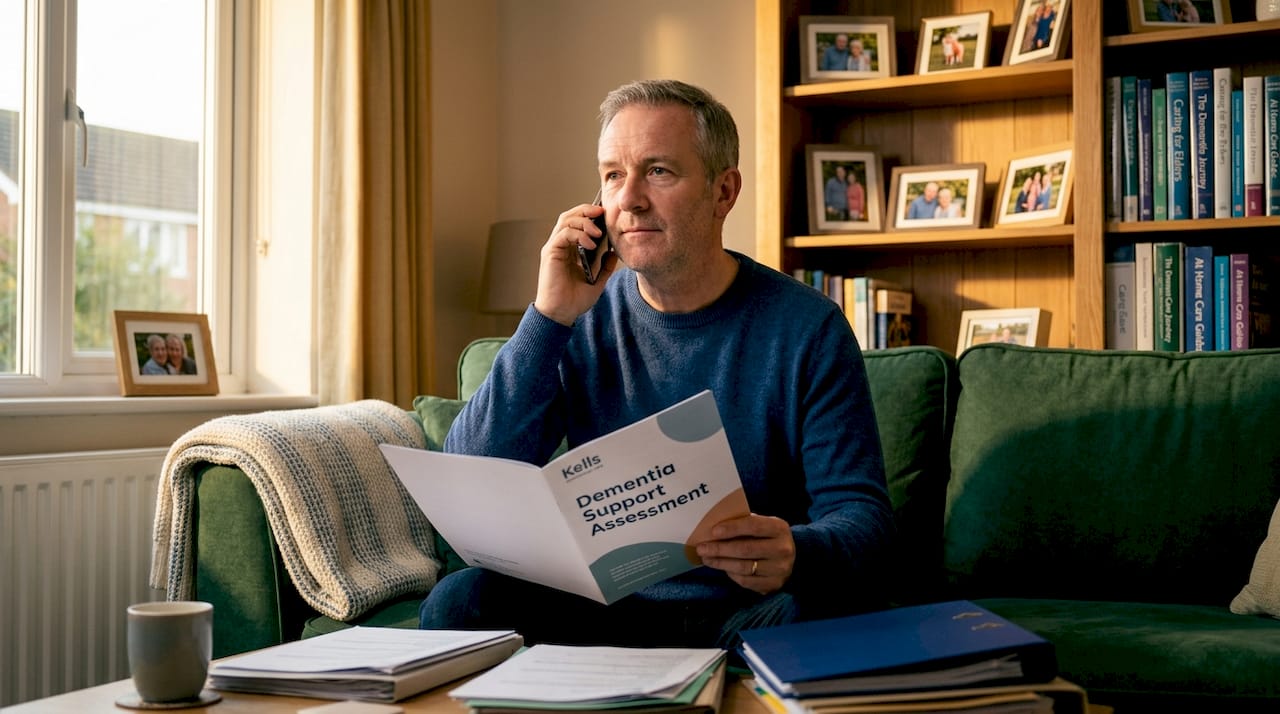
NICE dementia guidelines (NG97) recommend a care coordinator to ensure seamless, joined-up support for both the person with dementia and their family carers. They also recommend a thorough assessment that covers health, social needs, and carer requirements, along with advance planning for finances, safety, and emergencies.
Here is how to get started with formal planning in London:
- Contact your GP to request a formal dementia diagnosis and referral.
- Ask your local authority for a care needs assessment for your loved one.
- Request a separate carer’s assessment for yourself or other family members.
- Work with a care coordinator or social worker to build a written care plan.
- Review legal arrangements, including Lasting Power of Attorney, as early as possible.
For practical dementia care steps that are specific to London families, professional guidance can make this process far less daunting.
Many families also grapple with whether to keep care entirely at home or to use external day services. The table below compares both approaches across key factors:
| Factor | Home-based care | External day services |
|---|---|---|
| Familiarity and comfort | High, familiar environment | Lower initially, new setting |
| Flexibility | Very flexible | Fixed timetable |
| Social stimulation | Depends on visitors and carers | Often high, group activities |
| Cost | Variable, can be funded | Often subsidised or free |
| Carer respite | Limited unless carer steps away | Good regular break for carers |
| Safety monitoring | Requires planning | Supervised by trained staff |
A blended approach often works best. Home-based care for personal routines, with regular attendance at a day centre or memory café for social connection and carer respite.
Statistic: Over 61% of people living with dementia in the UK reside at home, which means the demand for well-planned, community-based care continues to grow significantly.
With formal planning in place, family carers need strategies for maintaining their own resilience and preventing burnout.
Support the carer as well as your loved one
It is easy to focus entirely on the person with dementia and forget that the carer needs support too. Carer burnout is real, and it affects the quality of care being given. When you are exhausted, emotionally depleted, and without a break, your capacity to provide compassionate, patient care diminishes significantly.
61% of dementia patients live at home, placing the majority of care responsibility on families. This makes carer wellbeing not just a personal issue but a public health concern. Supporting yourself is supporting your loved one.
Key resources and strategies for carers include:
- Memory cafés: Informal drop-in sessions where carers and loved ones socialise together. Many London boroughs have several options.
- Day centres: Structured daytime programmes that provide stimulation for your loved one and a break for you.
- Peer support groups: Meeting others in the same situation reduces isolation and provides practical ideas.
- Carer training programmes: Learning specific dementia care skills boosts confidence and reduces daily stress.
- Respite care: Temporary home care or short residential stays that allow carers to rest properly.
The table below shows key local support types and the benefits families typically report:
| Support type | Reported benefit |
|---|---|
| Memory cafés | Reduced isolation, improved mood |
| Day centres | Regular carer respite, social stimulation |
| Peer groups | Emotional support, shared strategies |
| Carer training | Increased confidence, reduced anxiety |
| Respite care | Prevention of burnout, improved family dynamics |
You can find support for carers and learn more about how professional home carers complement family support by exploring specialist resources designed for London families. Understanding the role of home carers also helps families make more informed decisions about when and how to bring in professional help.
Next, explore how bespoke and innovative care plans offer measurable improvements for loved ones living with dementia.
Personalised care plans: measurable impact for London families
Generic care rarely delivers the best outcomes. The most significant improvements in quality of life for people with dementia come from plans that are tailored to the individual. This means accounting for personality, history, cultural background, language, daily preferences, and specific symptoms.
Research published recently found that bespoke treatment plans reversed early dementia symptoms, with personalised interventions improving cognition scores by 13.7 points. That is a remarkable outcome that demonstrates the genuine power of moving away from one-size-fits-all approaches. The NIDUS-Family programme, which delivers remote, personalised support to families, was found to save approximately £8,934 per person per year compared to standard care, while also improving overall quality of life.
These are not just statistics. They represent real families experiencing less distress, better daily functioning, and greater independence for their loved ones.
To begin building a personalised care plan, consider the following steps:
- Write a one-page personal profile describing who your loved one is beyond their diagnosis, their interests, career history, preferences, and values.
- Identify the times of day when they are most alert and engaged, and schedule meaningful activities accordingly.
- Note triggers for anxiety or agitation and work with a professional carer to plan around them.
- Include cultural, religious, or dietary preferences explicitly in the care plan.
- Review and update the plan every few months as needs change.
For families who want guided support in this process, exploring personalised care plans with an experienced provider makes a significant difference. At Kells, we have been helping London families do exactly this for over 30 years.
Having reviewed practical, evidence-based strategies and their benefits, it is vital to consider the realities behind the theory, what families actually experience, and what typical advice leaves out.
What most dementia care advice overlooks for London families
Most articles on dementia care give solid general advice. Establish routines. Communicate calmly. Seek professional help. All of that is true and valuable. But in our experience working with London families for over three decades, the gap between theory and daily reality is wider than most guidance acknowledges.
London is one of the most culturally diverse cities in the world. A care approach that works well for one family may feel entirely wrong for another. A family where Bengali is the primary language at home, where mealtimes are communal and food is central to connection, where gender roles shape who provides care, needs strategies that reflect those realities. Generic advice does not account for this. It assumes a universal experience that simply does not exist across London’s communities.
We have also found that small moments matter far more than families expect. A five-minute conversation about a shared memory. Sitting together with a familiar radio programme in the background. Making a cup of tea in the way it has always been made. These micro-connections build emotional safety and trust in ways that no formal strategy fully captures. The grand interventions matter, but so does the quiet consistency of ordinary moments.
There is also a tendency in conventional guidance to treat care as a problem to be solved rather than a relationship to be sustained. When families approach dementia care as a series of techniques to apply, they sometimes lose sight of who their loved one still is. Flexibility and empathy consistently outperform rigid adherence to any single method.
Family-centred care approaches that keep the whole family involved, not just a primary carer, tend to produce better outcomes and lower burnout rates. Shared responsibility, open communication among siblings and partners, and regular review of what is working all contribute to sustainable care over the long term.
The most honest thing we can tell you is this: there is no perfect plan. There is only the plan that fits your family, your loved one, and your circumstances right now. And that plan will need to evolve.
Practical resources: next steps for dementia care in London
If this article has helped you think differently about dementia care at home, the next step is finding tailored guidance for your specific situation. At Kells Domiciliary Care, we have supported London families through dementia care for over 30 years, providing fully qualified, DBS-checked carers who are regulated by the CQC. You can download our free home care guide to get started, or explore our dementia care guide for detailed, practical advice written specifically for London families. If you are ready to discuss your circumstances, we also offer information on personalised support options that can be shaped around your loved one’s needs, your family’s routines, and your budget. We are here to help you find the right path forward.
Frequently asked questions
How can we introduce structure without making our loved one feel restricted?
Blend routines with favourite hobbies, and use gentle cues such as familiar music or a shared activity rather than strict timetables. Daily routines reduce confusion when they feel natural rather than imposed.
What should we do if communication leads to frustration or upset?
Pause the conversation, validate how they are feeling, and redirect attention gently rather than persisting with correction. Entering their reality rather than arguing facts is consistently more effective and less distressing for both parties.
Where do we find a carer assessment and local support services in London?
Contact your GP or your local authority directly to request a formal care needs assessment and carer’s assessment. NICE guidelines recommend this as the first formal step towards coordinated, well-planned dementia support.
Are remote digital care plans really effective for dementia at home?
Yes, research shows that personalised plans and digital support can meaningfully improve quality of life for people with early dementia. NIDUS-Family remote support improved cognition by 13.7 points and saved families nearly £8,934 per year per person compared to standard care.