

Home care delivers professional support in your own home, from an hourly visit to round‑the‑clock live‑in care. The fastest way to start is to request a free care needs assessment from your local council, which decides what you’re eligible for and whether they’ll help with the cost.
While that’s underway, you can:
- Contact your council’s adult social services team to open the assessment.
- Note down daily struggles (dressing, washing, meals) to describe clearly at the assessment.
- If you need help urgently, ask your hospital or GP about short‑term reablement support.
Three funding routes cover almost everyone: paying privately, council-funded support after a means test, and NHS Continuing Healthcare for those with significant health needs. Each is explained below.
Key Takeaways
Getting home care started quickly depends on requesting a council needs assessment early, understanding the three funding routes, and choosing a CQC-registered provider with transparent staff practices.
| Point | Details |
|---|---|
| Request an assessment first | Contact your council’s adult social services team; it’s free and unlocks funding, equipment and adaptations. |
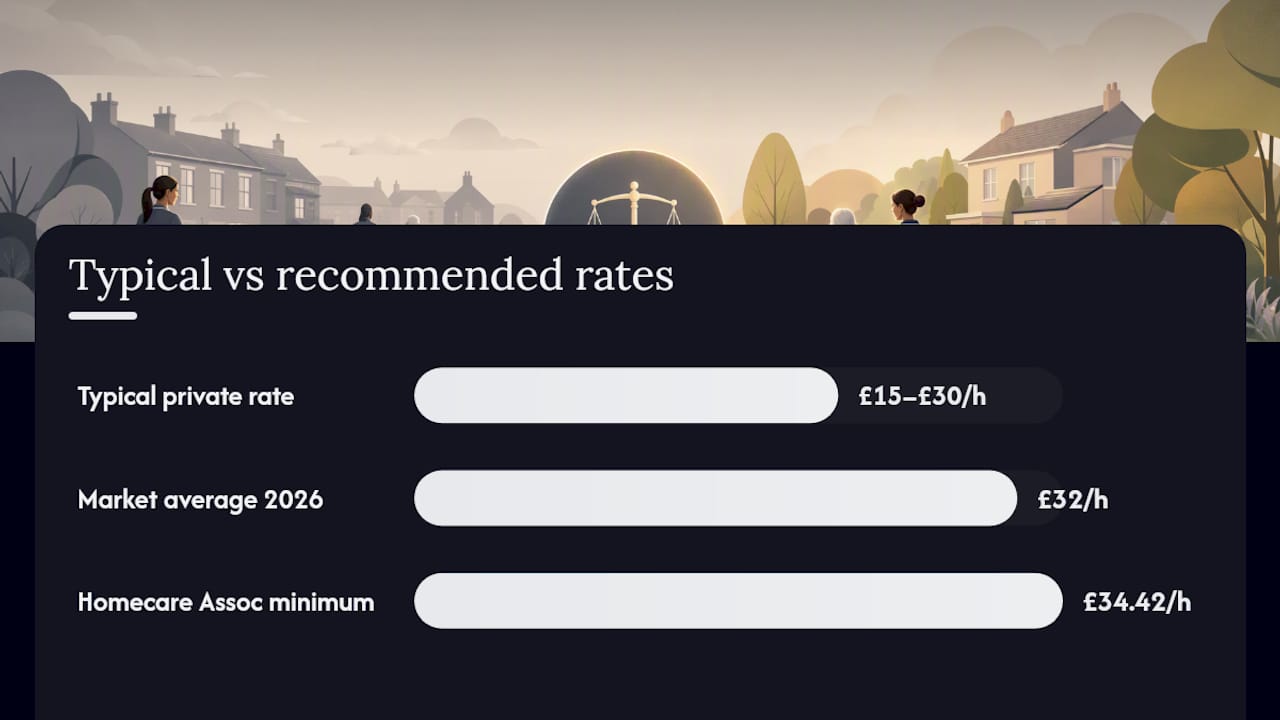
| Know the real cost range | Private care typically runs £15 to £30 an hour, averaging around £32 in 2026 market estimates. |
| Check the sustainable rate | Quotes well below the Homecare Association’s £34.42 minimum may signal cut corners on pay or training. |
| Don’t overlook NHS Continuing Healthcare | It’s non‑means‑tested and covers people with a primary health need, assessed by your local ICB. |
| Kells-care offers a regulated, personalised route | Over 30 years of London home care with CQC registration, DBS‑checked staff and tailored care plans. |
Table of Contents
- What types of home care are available?
- How do you get home care started?
- What does home care cost and who pays for it?
- How do you choose between an agency and employing a carer directly?
- Where can you find and verify home care providers?
- What actually separates a good agency from an average one?
- How can Kells-care help you arrange home care?
- Sources
What types of home care are available?
Home care isn’t one service, it’s several, and matching the right one to your situation saves time and money.
- Personal care covers washing, dressing, medication and toileting, usually delivered in short visits.
- Companionship care focuses on company, conversation and help getting out, often for people who are lonely rather than unwell.
- Dementia care is delivered by carers trained in memory support and de‑escalation techniques for confusion or distress.
- Live‑in care places one carer in the home full‑time, useful when someone shouldn’t be left alone overnight.
- 24‑hour care uses a rotating team rather than one live‑in carer, often for higher‑dependency needs.
- Nursing domiciliary care brings a registered nurse into the home for clinical tasks such as wound care or injections.
Post‑hospital recovery usually calls for short, intensive visits (reablement), while long‑term conditions tend to settle into a steady weekly pattern. Most agencies flex between hourly visits, daily blocks and full live‑in arrangements, so the pattern can change as needs do.
How do you get home care started?
Council-arranged care and self-arranged private care follow different paths, and it helps to understand both before you commit to either.
- Request a care needs assessment. Contact your local council’s adult social services team; this is free and is the gateway to any council funding, equipment or home adaptations.
- If arranging care yourself, search the CQC directory for registered agencies in your area.
- Contact two or three agencies, ask about DBS checks and training, and compare availability.
- Agree a written care plan before care starts, covering tasks, timings and review dates.
Pro Tip: Keep a diary of daily difficulties for a week before your assessment. Councils apply eligibility criteria based on concrete functional outcomes, not general descriptions, so noting exactly how long it takes to get dressed or what help is needed for a transfer genuinely strengthens your case.
If you’re coming out of hospital, ask about intermediate care or reablement. Councils and the NHS can provide up to six weeks of free short‑term support to help you regain independence before any long‑term plan is needed.
What does home care cost and who pays for it?
Private hourly visits typically run £15 to £30 per hour, with a 2026 market overview putting the average closer to £32 an hour once regional variation and complexity are factored in. London and the South East tend to sit at the higher end.
The going rate matters more than it looks. The Homecare Association’s recommended minimum sustainable rate for 2026/27 is around £34.42 an hour. A quote well below that often means lower staff pay, less training, or fewer guarantees around cover.
Three routes cover the cost:
- Self‑funding, the most common route, where you pay the agency directly.
- Council-funded support, available after a means test on income and savings.
- NHS Continuing Healthcare, a non‑means‑tested package for people with a primary health need, assessed and commissioned by your Integrated Care Board.
Benefits such as Attendance Allowance and Personal Independence Payment can help fund care outside the means test, and direct payments (personal budgets) let eligible people arrange their own care instead of accepting a council-commissioned package.
How do you choose between an agency and employing a carer directly?
An agency handles recruitment, DBS checks, training, payroll, and cover when a carer is off sick. Employing a carer directly gives you more control over who comes into the home, but you become the employer, with responsibility for tax, insurance, and finding replacement cover yourself. For most families, especially first-timers, an agency is the lower-risk starting point.
Whichever route you choose, ask:
- Are you registered with CQC, and what’s your latest inspection rating?
- How do you cover holiday, sickness or last‑minute cancellations?
- What training do carers complete before their first visit, and is it ongoing?
- Can you provide references or examples of a typical care plan?
Watch for red flags: no CQC registration, vague answers about pay or training, or no clear complaints process. Once you’ve chosen, agree a simple care plan with specific tasks and dates for review, ideally within the first few weeks, so it can adjust as needs change.
Where can you find and verify home care providers?
Start with the CQC’s provider search, the NHS homecare guidance, your local council’s finder, the Homecare Association’s member directory, and Age UK’s advice pages.
- Check the agency’s CQC registration and read its most recent inspection report in full, not just the headline rating.
- Ask directly about staff DBS checks and training records rather than assuming they’re covered.
- Request a client reference and a sample care plan before signing anything.
Councils will arrange care for anyone eligible after assessment; self-arranging simply means you go straight to an agency without waiting for that process.
What actually separates a good agency from an average one?
A CQC rating tells you a provider meets baseline standards, not whether your particular carer will turn up on time and know your mother’s routine. The details that matter most rarely show up in a directory listing.
Good agencies commit to fair pay and proper training, which correlates directly with staff continuity and quality of day-to-day care. High staff turnover usually means a rotating cast of strangers, which is exhausting for anyone, but especially for someone living with dementia.
Pro Tip: Ask how the agency recruits and whether they pay carers for travel time between visits. Unpaid travel time is a common reason carers leave agencies, and leaving often means your regular carer changes without warning.
Where CQC ratings are outdated or missing, look instead at staff retention figures, supervision frequency and training depth, and ask whether the agency tracks client outcomes at all.
- Request named, regular carers rather than a rotating pool.
- Ask how rotas are managed and who covers unplanned absence.
- Check whether supervisors visit in person, not just by phone.
A provider’s view on getting this right
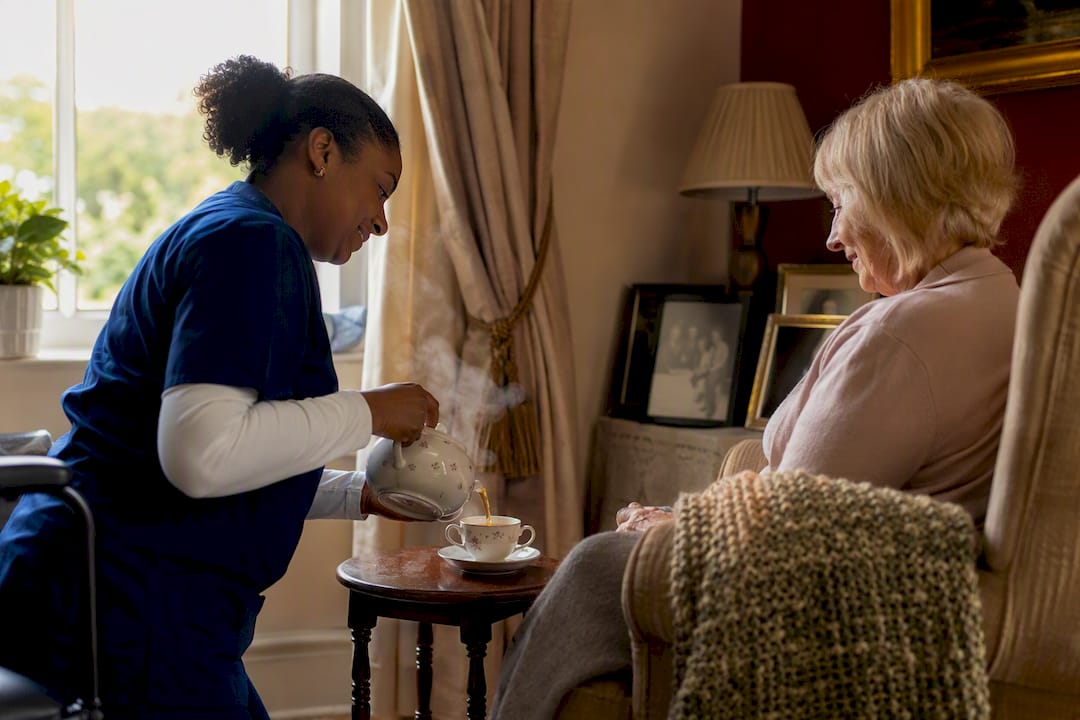
At Kells-care, three decades of London home visits taught us that dignity survives in small details: a carer who remembers how someone likes their tea, who never rushes a wash, who treats independence as the goal rather than an inconvenience. If you’re worried about getting this wrong, that’s normal. Booking an assessment or simply calling an agency to ask questions costs nothing and moves things forward.
How can Kells-care help you arrange home care?
Kells-care is a CQC-regulated domiciliary agency that has supported London families for over 30 years, offering hourly visits, live‑in care, dementia support, and personalised care plans built around what someone actually needs, not a generic package. Every carer is fully trained and DBS-checked, so the verification steps covered above are already built into how we work.
If you’re weighing up options after a council assessment, or you’d rather arrange private care directly, our free home care guide walks through what to expect and how pricing typically works. You can also look at how we personalise care plans to support independence for London families specifically. Get in touch to talk through your situation. There’s no obligation, and it’s often the quickest way to find out what a realistic plan looks like for your family.
Sources
- Help at home from a paid carer – Social care and support guide – NHS
- Domiciliary Care 2026: UK Cost & Funding Guide – CareAdvocate
This article is general information, not a substitute for advice from a qualified doctor. Consult a qualified healthcare professional about your own circumstances before acting on anything here.


