
TL;DR:
- Transitional care involves coordinated actions to ensure patients move safely between care settings, focusing on discharge planning, medication management, and education. Families play a vital active role, especially during the critical 30-day post-discharge period, to prevent complications and readmissions. Effective transitional care reduces hospital readmission rates significantly by emphasizing communication, follow-up, and family involvement.
Transitional care is defined as the coordinated set of actions that supports patients in moving safely between different care settings or levels of care, such as from hospital to home, rehabilitation unit, or a skilled nursing facility. It is a process, not a physical place, and it spans every handoff point where a patient’s care team, location, or treatment plan changes. The core components include discharge planning, medication reconciliation, follow-up appointments, and education for both the patient and their family. When done well, transitional care reduces the risk of complications, prevents unnecessary hospital readmissions, and supports your loved one in regaining independence. For families caring for elderly or disabled relatives, understanding how this process works is one of the most practical things you can do.
What is transitional care and how does it work?
Transitional care works through a sequence of coordinated steps that begin before a patient leaves hospital and continue for weeks afterwards. The 30-day period after discharge is formally recognised as the Transitional Care Management window, during which a healthcare provider must make interactive contact with the patient within two business days. This window is not arbitrary. It reflects the clinical reality that the first month after leaving hospital is when patients are most vulnerable to complications, missed medications, and confusion about their care plan.
The typical steps in a transitional care programme look like this:
- Discharge planning begins while the patient is still in hospital, identifying where they will go next and what support they will need.
- Medication reconciliation reviews all current medications to prevent dangerous duplications or gaps.
- Follow-up scheduling books appointments with GPs, specialists, or community nurses before the patient leaves.
- Communication across providers ensures the receiving care team has a full, accurate picture of the patient’s condition.
- Patient and family education covers warning signs, daily routines, and when to seek urgent help.
Family members play a central role in this process. A care coordinator or transition coach often works alongside the family to fill gaps that clinical teams cannot cover, such as daily observation at home or managing transport to appointments. The role of care coordinators is particularly valuable when a patient has complex needs or limited social support.
Pro Tip: Keep a written log during the first 30 days after discharge. Record every medication taken, every symptom noticed, and every appointment attended. This record becomes your most useful tool if something changes and you need to speak to a clinician quickly.

What types of transitional care services and settings are available?
Transitional care services are delivered across several different settings, and the right option depends on your loved one’s medical needs, level of independence, and home environment. The settings most commonly used include:
- Hospital step-down or transitional care units, which provide a supervised environment for patients who are medically stable but not yet ready to return home.
- Rehabilitation centres, which focus on restoring physical function after surgery, stroke, or serious illness.
- Skilled nursing facilities, which offer round-the-clock nursing support for patients with ongoing medical needs.
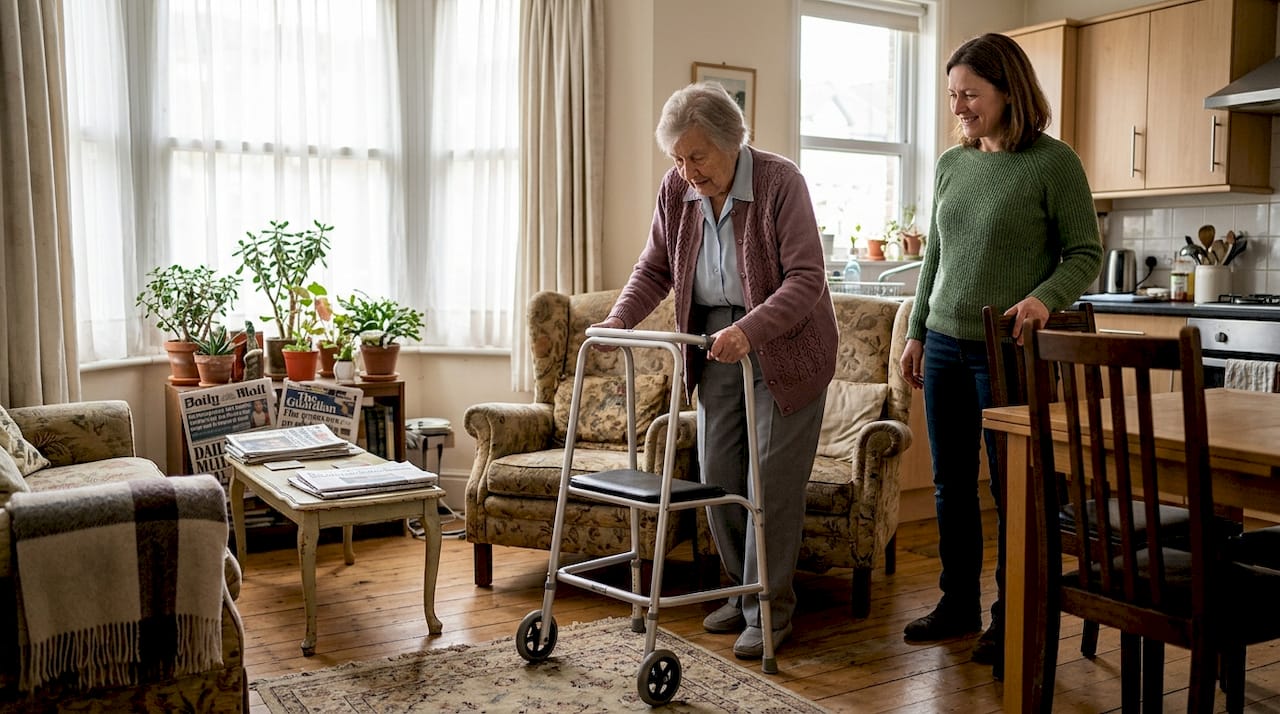
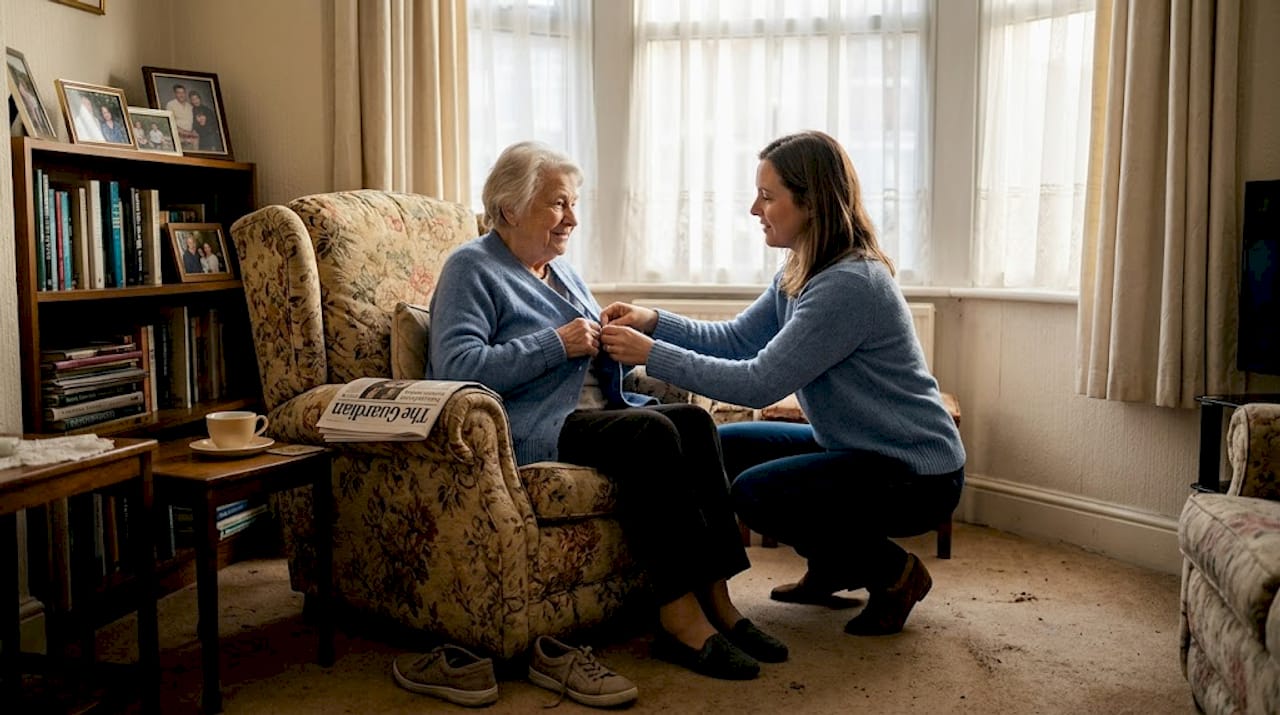
- Home-based care, where carers, nurses, or therapists visit the patient in their own home to support recovery.
Home-based transitional care is often the preferred option for older adults, as it supports independence and reduces the distress of an unfamiliar environment. The Australian Transition Care Programme offers a useful model: it provides up to 12 weeks of short-term restorative support after a hospital stay, extendable by six weeks, with the explicit goal of helping older adults regain independence before returning home or moving to long-term care. This time-limited, goal-focused model is increasingly seen as best practice internationally.
It helps to understand how transitional care differs from other types of care. The table below clarifies the key distinctions:
| Care type | Duration | Primary goal | Typical setting |
|---|---|---|---|
| Transitional care | Days to weeks | Safe handoff and recovery | Home, rehab unit, step-down ward |
| Rehabilitation | Weeks to months | Restore function and mobility | Rehab centre or home |
| Skilled nursing care | Ongoing as needed | Medical management and daily support | Nursing facility |
| Long-term care | Indefinite | Permanent support and supervision | Care home or nursing home |
| Hospice care | End of life | Comfort and dignity | Home or hospice facility |

Transitional care is explicitly short-term and goal-oriented. It is not a permanent arrangement, and it is not the same as long-term residential care. Families sometimes confuse the two, which can lead to delays in planning or unrealistic expectations about what a transitional programme can provide.
Why is transitional care important for reducing readmissions?
The evidence for transitional care is clear and significant. The Care Transitions Intervention model reported a reduction in hospital readmission rates from 23.8% in a control group to just 2.4% in patients who received structured transitional support. That is a reduction of more than 70%, which represents a substantial difference in both patient wellbeing and the burden placed on NHS and community health services.
The reason transitional care produces these results comes down to four core practices, often called the Four Pillars of safe transitions: medication reconciliation, communication of treatment plans, timely follow-up, and active patient and family involvement. When any one of these pillars is missing, the risk of an adverse event rises sharply.
“Care transitions are vulnerable periods due to fragmented communication and patient and caregiver confusion about medications and follow-up.” — PCORI
The data below illustrates the measurable impact of structured transitional care on key outcomes:
| Outcome measure | Without transitional care | With transitional care |
|---|---|---|
| 30-day readmission rate | Up to 23.8% | As low as 2.4% |
| Medication errors | Significantly higher | Reduced through reconciliation |
| Patient confidence in self-management | Lower | Improved through education |
| Family preparedness | Often poor | Strengthened through coaching |
Patient activation, meaning the degree to which patients and families take an active role in managing health, is one of the strongest predictors of a successful transition. Families who understand the care plan, know what warning signs to watch for, and feel confident communicating with the care team consistently achieve better outcomes.
How can families prepare for a successful transition?
Families are not passive observers in transitional care. They are active participants, and their preparation directly affects how well a loved one recovers. The following areas deserve your attention before and during any care transition:
- Medication management: Know every medication your loved one is taking, the correct dose, and the timing. Ask the hospital team for a written medication list before discharge.
- Follow-up appointments: Confirm all appointments are booked and that you have transport arranged. Missing a post-discharge GP visit is one of the most common causes of deterioration.
- Personal health record: Keep a folder or digital document with diagnoses, medications, allergies, and contact details for every clinician involved in your loved one’s care.
- Symptom warning signs: Ask the discharge team to list the specific symptoms that should prompt you to call for help. Do not wait until you are unsure.
- Communication with the care team: Know who to contact if something changes at home, and do not hesitate to make that call.
Understanding how families shape quality home care is particularly relevant here. Research consistently shows that families who are well-informed and actively involved reduce the risk of rehospitalisation for their loved ones.
Pro Tip: Ask the hospital discharge team to introduce you directly to the community nurse or carer who will be taking over your loved one’s care. This “warm handoff” means a specific person assumes responsibility immediately, rather than leaving a gap in oversight during the most vulnerable days after discharge.
What are the common challenges in transitional care and how do you avoid them?
Poorly executed transitions increase the risk of adverse events, medication errors, and unnecessary readmissions. The most common problems families encounter include:
- Communication gaps between hospital and community teams, where the GP or home carer receives incomplete or delayed information about the patient’s condition and treatment plan.
- Confusion about medications, particularly when hospital prescriptions differ from what the patient was taking before admission.
- Missed follow-up appointments, often due to poor planning, lack of transport, or the patient not understanding why the appointment matters.
- Unclear responsibility, where no single person is identified as the lead contact for the patient’s care during the transition window.
- Families feeling unprepared, particularly when discharge happens quickly and education is rushed or incomplete.
The solution to most of these problems is the same: ask direct questions before your loved one leaves hospital. Ask who is responsible for their care once they are home. Ask what the plan is if symptoms worsen. Ask for written instructions, not verbal ones. Knowing how to communicate with carers effectively can make a significant difference in how smoothly the transition unfolds.
A warm handoff, where a named individual assumes clear responsibility for the patient’s care from the moment of discharge, is the single most effective structural safeguard against these risks.
Key takeaways
Transitional care works best when families are informed, a named person holds responsibility for the patient’s care, and the Four Pillars of medication, communication, follow-up, and family involvement are all in place.
| Point | Details |
|---|---|
| Transitional care is a process | It spans multiple settings and providers, not a single facility or service. |
| The 30-day window is critical | The first month after discharge carries the highest risk of readmission and adverse events. |
| Readmissions can be reduced significantly | Structured programmes have reduced readmission rates from 23.8% to as low as 2.4%. |
| Families are active participants | Medication management, follow-up tracking, and clear communication directly affect outcomes. |
| Warm handoffs prevent gaps | Assigning a named carer or coordinator at discharge reduces confusion and missed care. |
Why transitional care is more than a hospital formality
When families first hear the term “transitional care,” many assume it refers to a specific ward or facility. That misunderstanding is understandable, but it leads to a passive approach at exactly the moment when active involvement matters most. I have seen families arrive home after a discharge feeling relieved that the hard part is over, only to find themselves overwhelmed within days because no one clearly explained what comes next.
The truth is that the hospital stay is often the most structured part of a patient’s care. Once someone is home, the responsibility shifts significantly towards the family. That is not a criticism of the NHS or community services. It is simply the reality of how care works in practice. The families who navigate this well are not the ones with the most medical knowledge. They are the ones who asked the right questions before leaving hospital, kept a written record, and knew who to call when something felt wrong.
Transitional care, when it functions as intended, closes the gap between clinical and community settings. It gives families a framework rather than leaving them to improvise. If your loved one is approaching a discharge or a change in care setting, treat the transitional period as its own distinct phase of care, one that deserves the same attention as the treatment that preceded it.
— Dan
How Kells-care supports families through care transitions
If your loved one is preparing to leave hospital or move between care settings, Kells-care can help you plan what comes next. For over 30 years, Kells Domiciliary Care has provided high-quality home care across London, from short check-in visits to round-the-clock support. All carers are fully qualified, DBS checked, and regulated by the Care Quality Commission. Whether you need help managing medications, personal care, or simply having a reliable presence at home during the critical post-discharge period, Kells-care tailors every service to the individual. Download the free home care guide to understand your options, or explore the full domiciliary care guide to find the right level of support for your family.
FAQ
What is the transitional care definition in simple terms?
Transitional care is the coordinated support provided to patients as they move between care settings, such as hospital to home, covering discharge planning, medication management, follow-up care, and family education.
How long does transitional care last?
The formal Transitional Care Management period lasts 30 days after discharge, beginning on the day the patient leaves hospital, though some programmes such as the Australian Transition Care Programme extend support for up to 12 weeks.
What is the difference between transitional care and long-term care?
Transitional care is short-term and goal-focused, designed to support recovery and safe handoffs between settings. Long-term care provides ongoing, often permanent support for individuals who cannot manage independently.
How does transitional care reduce hospital readmissions?
Structured transitional care programmes address the Four Pillars of medication reconciliation, communication, timely follow-up, and family involvement, which together have been shown to reduce readmission rates from 23.8% to as low as 2.4%.
What role do families play in transitional care services?
Families are central to successful transitions. They manage medications, attend follow-up appointments, monitor symptoms, and communicate with care teams, all of which directly reduce the risk of rehospitalisation for their loved one.