TL;DR:
- Caring for an elderly or disabled loved one requires structured routines that adapt as their needs change. Establishing consistent, simple daily practices promotes health, dignity, and emotional well-being for both caregiver and recipient. Support from professionals and prioritizing caregiver self-care are essential for long-term sustainability.
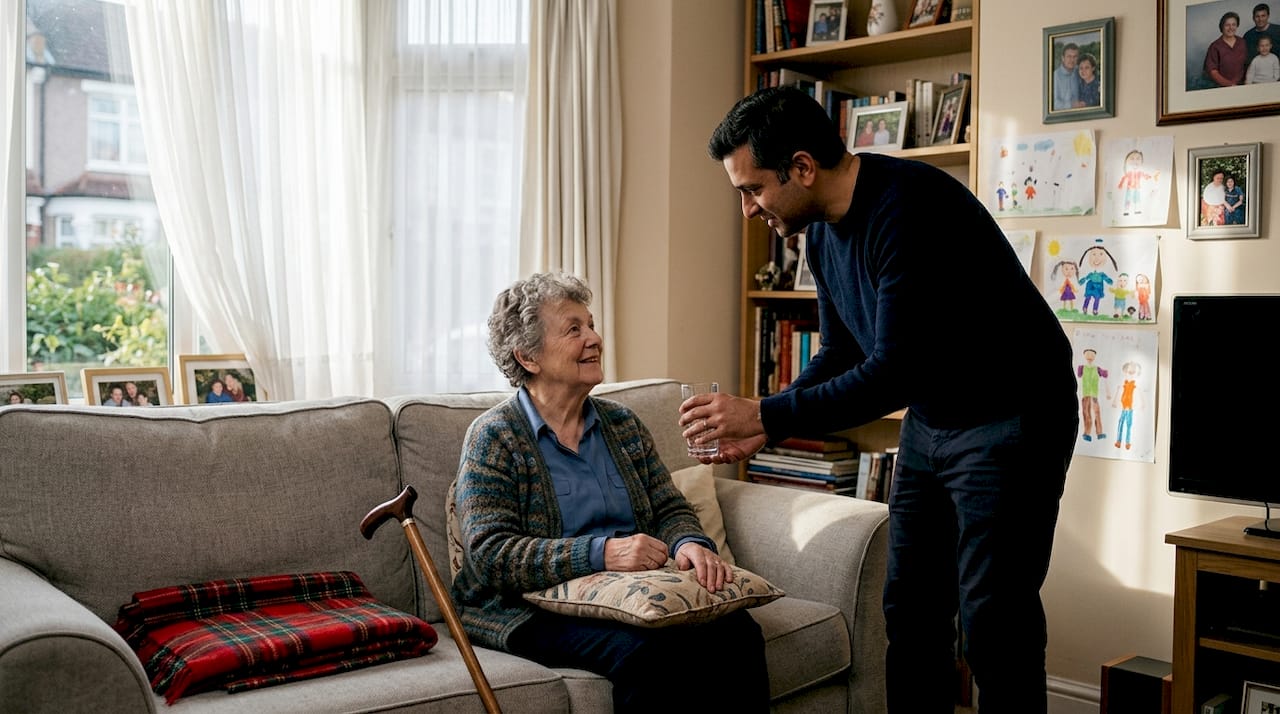
Caring for an elderly relative or someone with a disability is one of the most demanding responsibilities a person can take on. You may already know the basics, but putting together a consistent, effective guide to personal care routines for your loved one is harder in practice than it looks on paper. Between managing appointments, medications, and emotions, daily hygiene and skin care can slip. Yet structured personal care routines directly affect health, comfort, and dignity. This guide gives you a clear, step-by-step personal care routine framework built specifically for caregivers, with practical advice you can start using today.
Table of Contents
- Key takeaways
- Your guide to personal care routines: where to start
- Step-by-step daily personal care routine
- Adapting routines for mobility and cognitive challenges
- Managing caregiver burnout and building consistency
- When routines are working and when to seek support
- My perspective on what actually makes routines sustainable
- Support and resources from Kells-care
- FAQ
Key takeaways
| Point | Details |
|---|---|
| Start with a needs assessment | Understanding your loved one’s specific physical and cognitive needs shapes every other decision in their care routine. |
| Keep skincare simple | A three-step cleanse, moisturise, and protect approach prevents skin breakdown without overwhelming the person or the carer. |
| Habit formation takes time | Building new routines averages 66 days, so consistency matters far more than perfection in the early weeks. |
| Adapt as conditions change | Effective care routines must evolve alongside changing health, mobility, and cognition to remain safe and supportive. |
| Caregiver self-care is non-negotiable | Naming and scheduling your own needs prevents burnout and keeps you able to provide quality care long-term. |
Your guide to personal care routines: where to start
Before you introduce any routine, you need a clear picture of what your loved one actually needs. Jumping into a fixed schedule without this step often leads to frustration on both sides.
A structured needs assessment covers physical health, mobility, cognitive status, skin condition, and personal preferences. It tells you where your loved one can manage independently and where they need support. This is not a one-off exercise. Needs shift, sometimes gradually, sometimes quickly, and your care plan must reflect that reality.
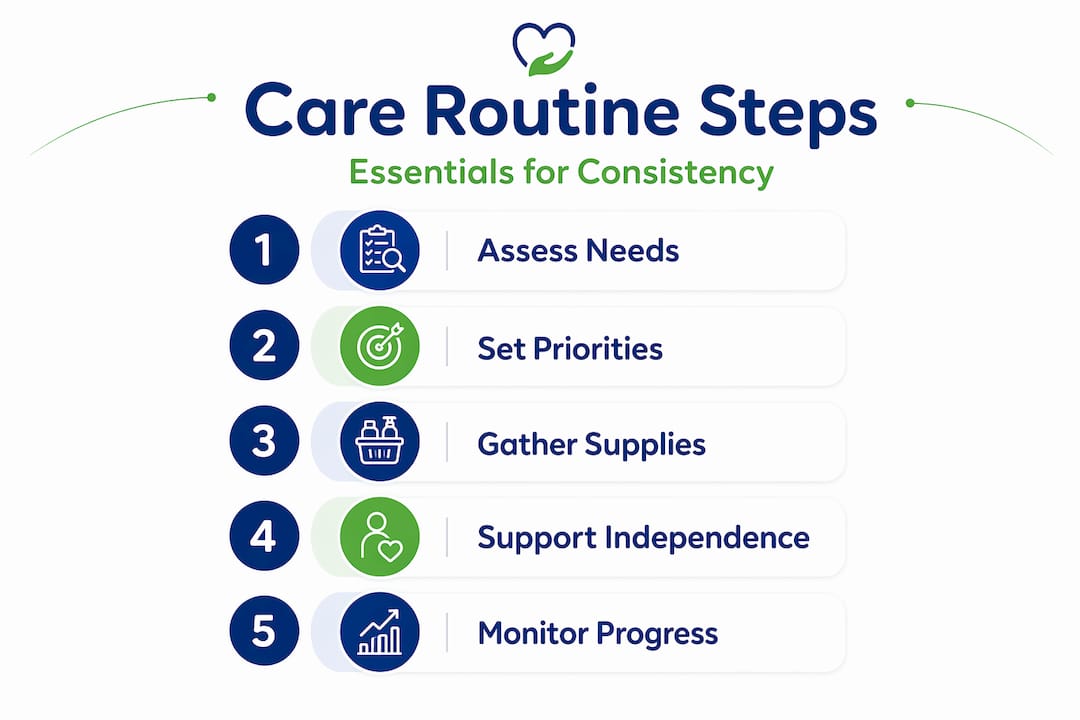
Once you have assessed needs, name the priorities. Do not try to overhaul everything at once. If your loved one has limited mobility and fragile skin, start with hygiene and skin integrity. If oral health has been neglected, make that the focus for the first two weeks. Prioritising prevents caregiver overwhelm and makes the routine feel manageable rather than endless.
Tools and supplies to have ready
Having the right equipment at hand makes routines smoother and safer. Here is a comparison of common personal care tools and their purposes:
| Tool or supply | Purpose |
|---|---|
| Long-handled bath sponge | Allows individuals with limited reach to wash independently |
| Shower chair or bath bench | Reduces fall risk during washing for those with limited balance |
| Barrier cream | Protects skin prone to moisture damage, particularly in continence care |
| Soft-bristled toothbrush | Gentler on sensitive gums in elderly individuals |
| Adaptive razor or electric shaver | Safer shaving for those with tremors or reduced grip strength |
| Fragrance-free moisturiser | Reduces risk of skin irritation in sensitive or dry skin |
| Disposable gloves | Maintains hygiene standards during personal care tasks |
- Review your supplies monthly and replace items showing wear
- Store products within easy reach of where care takes place
- Label products clearly if your loved one has a cognitive impairment
Step-by-step daily personal care routine
A well-structured daily routine covers four core areas: hygiene, skin care, oral health, and grooming. Self-care activities improve physical, mental, and emotional health, and the specific steps you use should reflect your loved one’s preferences and condition.
Here is a practical step-by-step personal care routine for daily use:
-
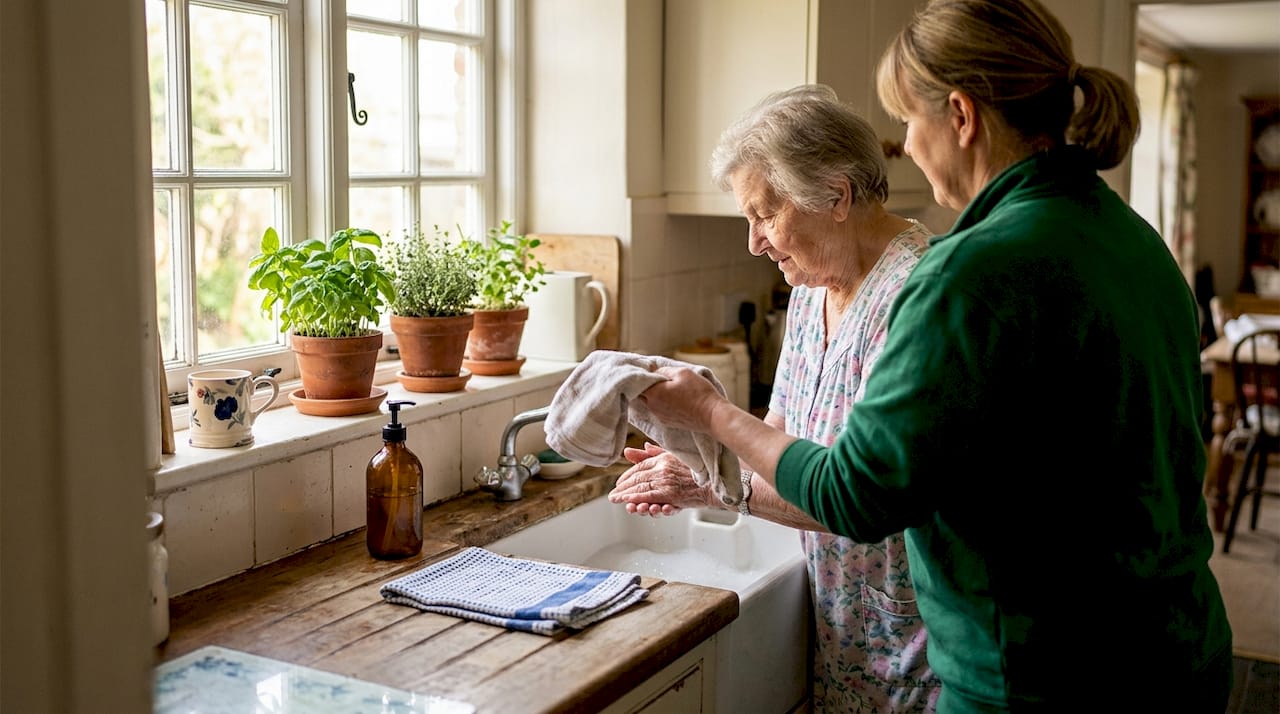
Morning wash or assisted bath. For those who can shower, use warm (not hot) water and a gentle, pH-balanced body wash. For bedbound individuals, a full bed bath using warm water and a soft flannel is effective. Prioritise the face, underarms, groin, and feet. Change water between areas to maintain cleanliness.
-
Skin care. After washing, pat the skin dry rather than rubbing. Apply a fragrance-free moisturiser while the skin is still slightly damp to lock in hydration. For daytime, a light SPF moisturiser protects skin that may be near windows or outdoors. Overloading skin with products causes irritation, so a simple cleanse, treat, and protect routine is most effective for elderly skin.
-
Oral hygiene. Brush teeth or clean dentures twice daily. Use a soft-bristled toothbrush and fluoride toothpaste. For those unable to lean over a sink, a spittoon or small bowl works well. Dry mouth is common in older adults and increases the risk of dental decay, so ensure your loved one stays hydrated throughout the day.
-
Grooming. This includes hair brushing, shaving or facial hair care, and nail maintenance. Short, clean nails reduce the risk of skin scratching. For those with nail care concerns, a podiatrist or community nurse can assist.
-
Evening cleanse. A lighter evening wash removes the day’s impurities. For bedbound individuals, nighttime cleansing is particularly important to reduce microbial growth and prevent skin breakdown. Apply barrier cream to pressure areas such as heels, sacrum, and elbows before settling for the night.
Pro Tip: Apply moisturiser within three minutes of washing. This window captures residual moisture on the skin and significantly improves hydration, which is particularly helpful for elderly skin that dries quickly.
A structured morning routine is linked to lower stress and more consistent self-care habits throughout the day. Starting care at the same time each morning also helps individuals with dementia feel more settled and less anxious.
Adapting routines for mobility and cognitive challenges
No two people have the same care needs, and a routine that works well one month may need adjustment the next. Effective personal care routines must adapt as conditions change. This is especially true for individuals with progressive conditions like dementia or Parkinson’s disease.
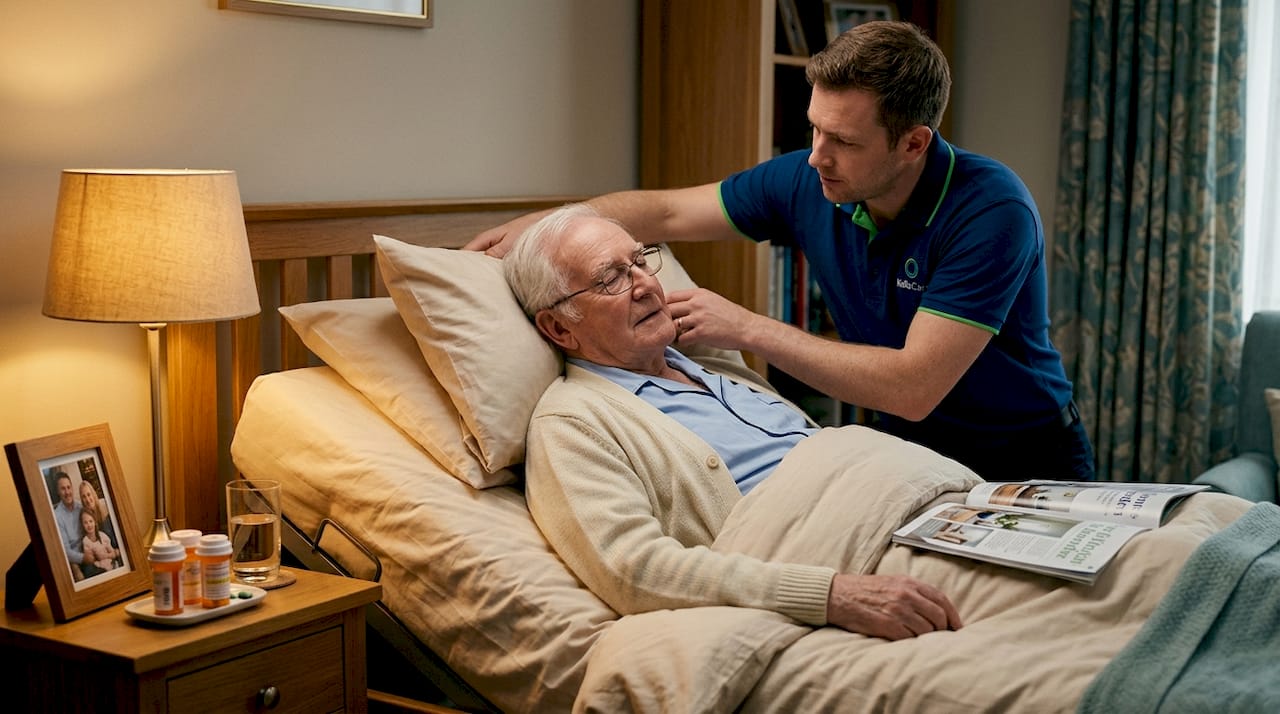
For those with physical limitations or a bedbound status, the focus shifts to preventing skin breakdown, maintaining circulation, and keeping areas clean that are prone to moisture. Repositioning a bedbound person every two hours reduces pressure ulcer risk. Use a draw sheet or slide sheet to move individuals safely without shearing the skin.
For those living with cognitive impairment, routine and familiarity become powerful tools. Keep the order of care tasks exactly the same each day. Use simple, one-step instructions rather than long explanations. Allow extra time and never rush. If your loved one becomes distressed during personal care, pause and try again later or approach from a different angle.
Key adaptations to consider:
- Use non-slip mats in the bathroom and beside the bed
- Install grab rails near the toilet, bath, and shower
- Choose clothing with velcro or magnetic fastenings rather than small buttons
- Use a raised toilet seat to make transfers safer and more independent
- Keep lighting bright during care tasks to reduce disorientation
- For individuals with dementia, practical dementia care guidance offers specific techniques for managing personal care with sensitivity
Encouraging independence is as important as providing support. Where your loved one can manage a task safely, even slowly, let them do it. Independence builds dignity and helps maintain physical function over time.
Pro Tip: If your loved one resists personal care, try changing the time of day. Many individuals are more cooperative in the morning when they are rested. Match care tasks to their natural energy patterns.
Managing caregiver burnout and building consistency
Even the best-designed routine falls apart without a consistent person behind it. Caregiver burnout is real, and it affects the quality of care your loved one receives. Caregiver burnout often stems from neglecting personal needs. Naming specific needs and scheduling self-care are the most effective preventive strategies.
Here is a practical comparison of common caregiver challenges and realistic solutions:
| Challenge | Practical solution |
|---|---|
| Not enough time in the morning | Prepare supplies the night before; streamline to three core tasks |
| Resistance from the care recipient | Offer choice where possible; allow more time and reduce pressure |
| Forgetting steps in the routine | Use a printed checklist or simple care chart on the wall |
| Feeling emotionally drained | Schedule one dedicated break daily, even if it is only 20 minutes |
| Routine breaking down after illness | Restart with one task at a time; do not try to catch up all at once |
Building a routine that lasts requires accepting that consistent small habits make a sustainable impact, particularly when time is limited. Aim for good enough most days rather than perfect occasionally.
Pro Tip: Write your own self-care tasks into the care schedule alongside those of your loved one. When your own needs appear in the plan, they are harder to skip. Even five minutes of intentional rest counts.
When routines are working and when to seek support
A good personal care routine produces visible results over time. You will notice fewer skin problems, better hygiene, and a more settled mood in your loved one. These are signs that your daily self-care practices are having a real effect.
Watch for the following indicators that something needs attention:
- Redness, breaks, or sores on the skin, particularly over bony areas
- Recurring infections in skin folds, the mouth, or around the nails
- Significant weight loss or reduced appetite that affects energy for personal care
- Increasing resistance to care tasks that were previously manageable
- A noticeable decline in independence with tasks your loved one previously managed alone
- Signs of confusion or distress during care that are new or worsening
If you notice any of these, contact a GP, district nurse, or care coordinator. Some issues, such as pressure ulcers or oral infections, require professional treatment and cannot be managed through routine care alone. Knowing when to seek home care is a sign of good judgement, not failure.
Coordinating with professional services also helps. When you share your existing routine with a community nurse or domiciliary carer, they can build on it rather than starting from scratch. This continuity benefits your loved one and reduces the burden on you.
My perspective on what actually makes routines sustainable
I have seen many well-intentioned care plans that look excellent on paper but collapse within a fortnight. The reason is almost always the same. The plan was built around an ideal version of the day rather than the reality of it.
In my experience, the caregivers who maintain the most consistent routines are the ones who started small. They picked two or three non-negotiable tasks, got those right, and built from there. They did not try to replicate a clinical care plan on their first week at home.
What I have also found is that carers often underestimate how much their own wellbeing shapes the quality of what they provide. When you are exhausted, you rush. When you rush, you miss things. Small things become big things over time. Self-care is not separate from the care you give. It is part of it.
The other lesson I keep returning to is the value of flexibility. A routine is a framework, not a script. Some mornings will go smoothly. Others will not. What matters is that you return to the structure the next day without guilt. Building a routine that adapts with changing needs, rather than one you must start over when circumstances shift, is what makes care sustainable long-term.
— Dan
Support and resources from Kells-care
If you are finding personal care routines difficult to manage alone, Kells-care is here to help. With over 30 years of experience providing home care across London, Kells-care offers flexible, personalised support tailored to the specific needs of elderly individuals and those living with disabilities. Whether you need occasional check-in visits or regular hands-on assistance with daily care tasks, the team at Kells-care can complement the routines you have already built at home.
Download the free home care guide for practical advice on establishing care routines, understanding your options, and getting the right support in place. You can also explore what domiciliary care involves to understand how professional carers work alongside families. Contact Kells-care today to discuss a care plan built around your loved one.
FAQ
What is a basic daily personal care routine for elderly individuals?
A basic daily routine covers a morning wash or bed bath, skin moisturising, oral hygiene, and light grooming. An evening cleanse to remove impurities and protect pressure areas completes the day.
How long does it take to establish a personal care routine?
Habit formation averages 66 days, so expect at least two months before a routine feels natural. Consistency matters more than getting every step right from the start.
How should I adjust a care routine for someone with dementia?
Keep the order of tasks identical each day, use simple one-step instructions, and allow plenty of time. A dementia-specific care approach focuses on familiarity and calm to reduce resistance and distress during personal care.
When should I contact a professional about personal care concerns?
Contact a GP or district nurse if you notice skin sores, recurring infections, sudden changes in behaviour during care, or a significant decline in your loved one’s ability to manage daily hygiene tasks independently.
How can I prevent caregiver burnout while maintaining a care routine?
Name your own needs explicitly and schedule short breaks into the daily plan. Seeking support from a professional carer or domiciliary care agency gives you regular respite and helps maintain routine quality when you are not available.