
TL;DR:
- Managing medication at home requires a current master list and proper storage to prevent errors. Caregivers should update the list after every appointment and keep medicines in a cool, dry place away from humidity. Using a single pharmacy and safe disposal methods enhances medication safety and accuracy.
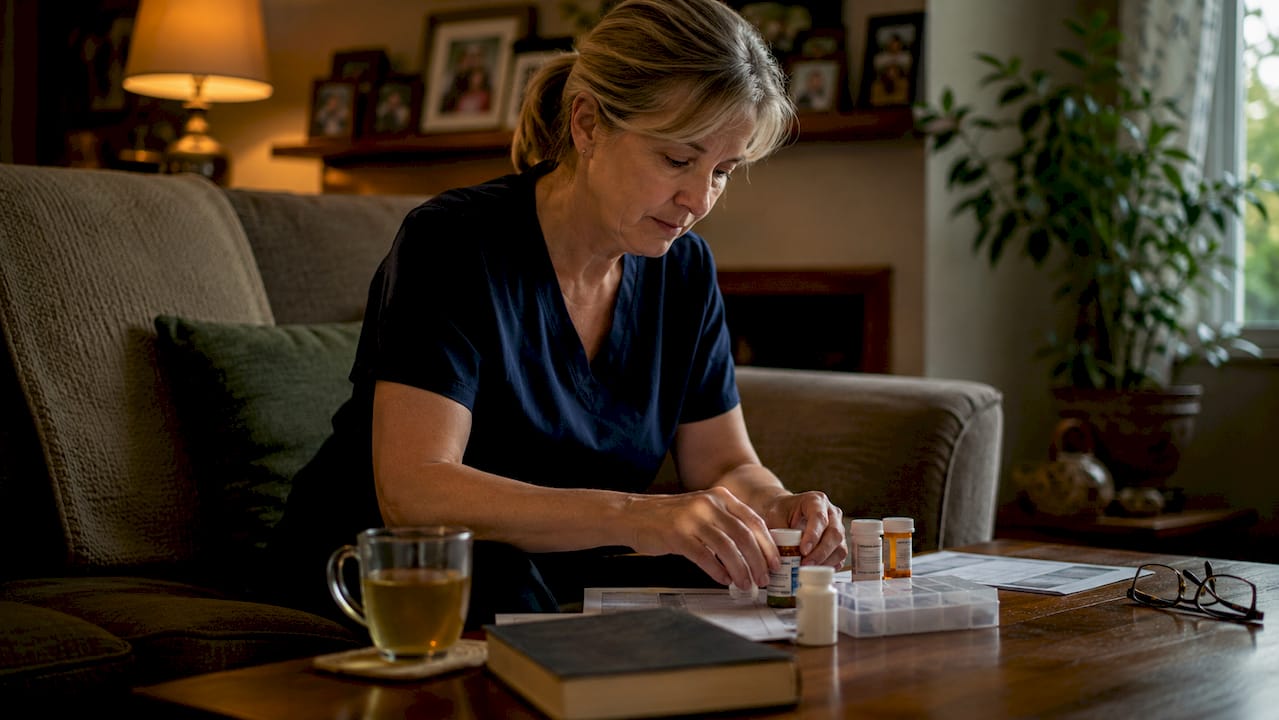
Managing medication at home means organising all prescriptions, supplements, and over-the-counter drugs into a clear, current system that prevents errors and supports safe administration. For caregivers looking after elderly or disabled loved ones in London, this process, known formally as home medication management, sits at the heart of safe daily care. A missed dose, a wrong pill, or an outdated list can have serious consequences. The good news is that with the right tools and routines, you can build a system that works reliably every day.
How to manage medication at home: building your foundation
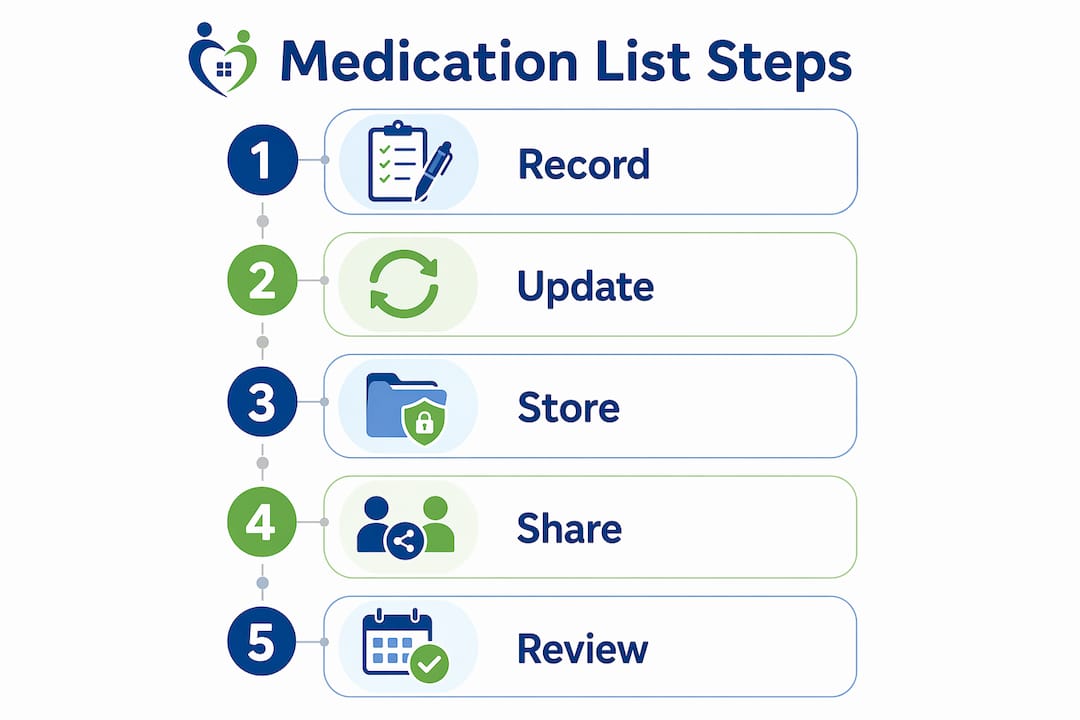
The starting point for any safe medication routine is a living master medication list. This document records every prescription drug, over-the-counter medicine, vitamin, and supplement in the home, along with the dose, purpose, and prescribing doctor. Without it, caregivers are working from memory, which is where errors begin.
What to include on your master medication list
Your master list should capture the following for each medicine:
- Name of the medication (generic and brand name if applicable)
- Dose and frequency (for example, 10mg twice daily with food)
- Prescribing doctor or clinic
- Purpose (for example, blood pressure, pain relief)
- Known allergies or adverse reactions
- Special instructions (for example, avoid grapefruit, take on an empty stomach)
Keep a printed copy in an accessible place and a digital copy on your phone or a shared cloud folder. Update it after every appointment or change.
Storage: where you keep medicines matters
Bathroom cabinets are unsuitable for storing medication. Humidity and heat degrade potency, which means a pill stored in a steamy bathroom may be less effective than the label suggests. The correct approach is to store medicines in a cool, dry, dark place, such as a bedroom drawer or a dedicated kitchen cupboard away from the hob.
Check expiration dates every six months. Expired medicines can lose effectiveness or, in some cases, become harmful. A simple calendar reminder on the first of every january and july takes less than five minutes to set up and prevents a common oversight.
Consolidating to one pharmacy
Using a single pharmacy for all prescriptions is one of the most underused safety measures available to caregivers. A single pharmacy’s software can flag dangerous drug interactions that would go undetected if prescriptions are spread across multiple dispensers. When you register all medications with one pharmacist, you create a safety checkpoint that works automatically in the background.
Pro Tip: Ask your pharmacist to conduct a full medicines use review, a free NHS service that checks for interactions, duplications, and unnecessary prescriptions.
| Storage location | Suitability | Notes |
|---|---|---|
| Bathroom cabinet | Not suitable | Humidity and heat degrade medicines |
| Bedroom drawer | Suitable | Cool, dry, and away from children |
| Kitchen cupboard (away from hob) | Suitable | Convenient but check for heat exposure |
| Locked box or safe | Best for controlled drugs | Prevents accidental access |
| Fridge (if specified) | Required for some medicines | Check label; not all medicines need refrigeration |
How do you set up a reliable medication routine?
A clear routine is what separates a safe medication system from a chaotic one. The goal is to make taking the right medicine at the right time as simple and automatic as possible.
Choosing between pill organisers and blister packs
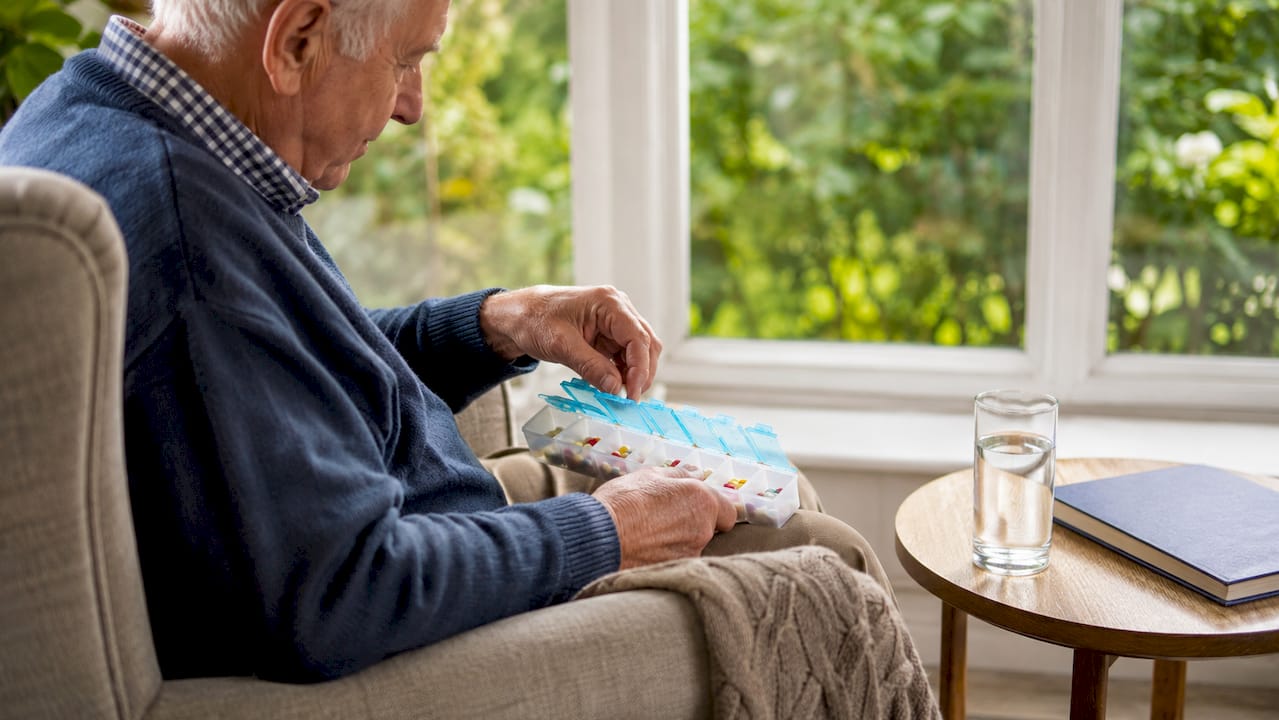
Pharmacy-prepared blister packs are safer than manual pill organisers for people with complex regimens or cognitive decline. Blister packs provide visual proof that a dose has been taken, which removes the guesswork entirely. Manual pill organisers are still useful for simpler regimens, but they rely on the caregiver filling them correctly each week.
For someone living with dementia or managing more than five daily medications, ask your pharmacist about blister pack dispensing. Many community pharmacies in London offer this service at no extra cost.
Setting up reminders that actually work
- Phone alarms: Set a named alarm for each dose time, for example “Mum’s morning tablets.” Named alarms are harder to dismiss without acting on them.
- Reminder apps: Apps such as Medisafe allow caregivers to set up shared medication schedules and receive alerts if a dose is missed.
- Visual medication charts: A printed chart on the fridge with tick boxes for each dose works well for people who respond better to physical prompts than digital ones.
- Shared medication logs: A simple notebook kept next to the medicines, where each dose is signed off, creates an auditable record that multiple caregivers can use.
Visual aids like large-print labels and photographs on a medication chart prevent mistakes caused by similar-looking pills. This is particularly relevant when a person takes several white or round tablets that are easy to confuse.
Synchronising prescription refills
Medication synchronisation programmes in community pharmacies allow all prescriptions to be refilled on a single day each month. This reduces the risk of running out of a critical medicine and cuts down the number of pharmacy trips. Ask your pharmacist whether they offer this service. Most large community pharmacies in London do.
Pro Tip: Keep a two-week buffer supply of critical medicines where possible. If a prescription is delayed or a bank holiday falls awkwardly, you will not face a gap in treatment.
What should you do when medications change or problems arise?
Medication lists go out of date faster than most caregivers expect. A hospital discharge, a GP appointment, or even a change of pharmacist can alter a person’s regimen. Treating the medication list as static is the most common caregiver error, and it is also one of the most dangerous.
Update the master list within 24 hours of any appointment, hospitalisation, or pharmacy change. Do not rely on discharge paperwork alone. Hospitals sometimes send people home with instructions that conflict with existing prescriptions.
When to consult a pharmacist or doctor
- After any hospital stay or A&E visit
- When a new prescription is added to an existing regimen
- If the person you care for reports new side effects or changes in how they feel
- When you are unsure whether a pill can be crushed or split
Asking pharmacists about crushing pills, timing with food, and drug interactions significantly improves safety. Some medicines have a special coating that controls how they are absorbed. Crushing them removes that protection and can cause harm. Never assume a pill can be crushed without checking first.
Using the teach-back method
When a doctor or pharmacist explains a new medication, use the teach-back method. Repeat the instructions back in your own words and ask for confirmation. This simple step catches misunderstandings before they become errors.
“No question about medications is too small. Caregivers should feel confident asking their pharmacist to clarify pill handling, timing, and interactions. Open communication is a safety tool.” — Cleveland Clinic guidance, 2026
How do you safely dispose of unused or expired medication?
Safe disposal is a part of home medication management that is frequently overlooked. Medicines left in a drawer or bin pose a real risk, particularly in homes with children or people with dementia who may accidentally ingest them.
Follow these steps for safe disposal:
- Use a pharmacy take-back scheme. Most pharmacies in the UK accept unused or expired medicines for safe disposal. This is the preferred method.
- If no take-back is available: Mix pills with coffee grounds or cat litter, seal the mixture in a container, and place it in the general waste. This makes the medicine unpalatable and unrecognisable.
- Never flush medicines down the toilet. Pharmaceutical compounds enter the water supply and cause environmental harm.
- Seal all disposal containers securely before placing them in the bin, even if you are using the coffee grounds method.
- Schedule a medicines audit every six months. Check expiration dates and remove anything that is no longer needed or prescribed.
Disposing of medicines promptly also keeps your master medication list accurate. If a medicine is no longer in use, it should be removed from the list and from the home at the same time.
Key takeaways
Safe home medication management requires a current master list, correct storage, a consistent routine, and prompt updates after every change in care.
| Point | Details |
|---|---|
| Build a master medication list | Record every medicine, dose, purpose, and prescriber, and update it after every appointment. |
| Store medicines correctly | Use a cool, dry, dark place and check expiration dates every six months. |
| Use one pharmacy | A single pharmacy flags dangerous interactions automatically through its dispensing software. |
| Choose the right dispensing tool | Blister packs reduce errors for complex regimens; pill organisers suit simpler routines. |
| Dispose of medicines safely | Use pharmacy take-back schemes or mix with coffee grounds if no scheme is available. |
What I have learned from years of watching caregivers manage medicines
After years of working alongside families and professional carers in London, the pattern I see most often is this: caregivers set up a good system at the start and then stop updating it. Life gets busy, a new prescription arrives, and the master list quietly becomes inaccurate. That gap between the list and reality is where errors live.
The families who manage medication best are not necessarily the most organised. They are the ones who treat the medication list as a living document and who ask questions without embarrassment. A caregiver who phones the pharmacist to double-check whether a tablet can be taken with a new antibiotic is doing exactly the right thing. That call takes two minutes and can prevent a serious interaction.
Technology helps, but it does not replace human oversight. A reminder app is only useful if someone acts on the alert. A blister pack is only safe if the pharmacist has an accurate and current prescription list. The tools support the system; they do not run it. The caregiver does.
If you are supporting someone with dementia or a complex health condition, consider a personalised care approach that fits their cognitive abilities and daily rhythm. A routine that works for one person may overwhelm another. Start simple, review regularly, and do not be afraid to ask for professional help when the regimen becomes too complex to manage alone.
— Dan
How Kells-care supports families with medication management at home
Managing prescriptions for a loved one is one of the most demanding parts of home caregiving. Kells-care has been supporting London families with professional domiciliary care for over 30 years, including safe assistance with medication routines. Our fully qualified, DBS-checked carers work to a personalised plan built around your loved one’s specific needs, whether that means a daily check-in visit or round-the-clock support. We are regulated by the Care Quality Commission, so you can trust the standard of care your family receives. Download our free home care guide to learn how we can support you with medication management and much more.
FAQ
What is a master medication list and why does it matter?
A master medication list is a complete, written record of every prescription, supplement, and over-the-counter medicine a person takes, including dose, purpose, and prescriber. It is the single most important document in home medication management because it prevents errors when care changes hands or a new medicine is added.
Are blister packs better than pill organisers?
Blister packs prepared by a pharmacist are safer for people with complex regimens or cognitive decline, as they provide visual confirmation that a dose has been taken. Pill organisers are suitable for simpler routines but rely on the caregiver filling them correctly each week.
Where should I store medicines at home?
Store medicines in a cool, dry, dark place such as a bedroom drawer or a kitchen cupboard away from heat sources. Bathroom cabinets are unsuitable because humidity and heat degrade medication potency over time.
How do I dispose of unused medicines safely in the UK?
Take unused or expired medicines to a pharmacy, which will dispose of them safely free of charge. If no pharmacy take-back is available, mix the medicines with coffee grounds or cat litter, seal the mixture in a container, and place it in the general waste.
When should I update the medication list?
Update the master medication list within 24 hours of any hospital stay, GP appointment, or change in prescription. Treating the list as a fixed document is the most common caregiver error and the most preventable cause of medication mistakes.