

If you’re arranging domiciliary care in London that includes housekeeping and domestic support, expect to pay somewhere between £30 and £42 an hour for visiting care, or roughly £1,200 to £1,600 a week for live-in support, with live-in day rates averaging around £220. That’s higher than the UK-wide average of about £32 an hour, reflecting London’s staffing and travel costs.
A family booking 14 hours a week at a higher London hourly rate will spend several hundred pounds weekly, or a substantial amount annually. Live-in care at a typical London weekly rate runs to a high annual cost. Whether you pay the full amount yourself, split it with your local council, or qualify for NHS-funded support depends on a financial and needs assessment, which is worth starting well before you commit to a package.
- Hourly visits (London): £30 to £42/hour depending on complexity and agency
- Live-in care: £1,200 to £1,600/week, or around £220/day
- Funding routes to check first: self-funding, council direct payments, NHS Continuing Healthcare
Key Takeaways
London housekeeping support through domiciliary care typically costs £30 to £42 an hour or £1,200 to £1,600 weekly for live-in care, with funding often available through councils or the NHS.
| Point | Details |
|---|---|
| Headline London rate | Hourly visits run £30 to £42/hour; live-in care averages £1,200 to £1,600/week. |
| Check funding first | A council needs assessment or NHS Continuing Healthcare could cover part or all of the cost. |
| Low quotes are a warning | Rates below the £32.14/hour Minimum Price often signal high staff turnover. |
| Budget with a margin | Add 10 to 15% to your hourly estimate for travel and out-of-hours cover. |
| Kells-care as your next step | A 30-year London provider offering CQC-regulated, DBS-checked carers and a free home care guide to help you budget accurately. |
Table of Contents
- What does housekeeping support cost in London?
- Who pays, and how do you access funding?
- What drives the price, and how do you keep it fair?
- How do you budget and arrange care in London?
- Who’s behind this guide?
- Editorial perspective: what the numbers actually tell us
- Where Kells-care fits into your plan
- Sources
What does housekeeping support cost in London?
The honest answer depends heavily on how many hours you need and whether care is visiting or live-in, but London prices sit consistently above the national picture, with practical guidance on housing and living-alone options for older adults helping families plan longer-term support. Domiciliary care across the UK averages about £32 an hour in 2026, while London and the South East typically push that figure into the £38 to £42 range for managed agency visits. Some providers quote as low as £30 for straightforward domestic support, rising sharply once personal care, dementia experience, or specialist training enters the picture.
Live-in care works differently. Instead of paying per hour, you pay a day or week rate that covers a carer living in your home, with accommodation and food factored into the agency’s charge. National averages for live-in care commonly fall between £1,200 and £1,500 a week, with London packages sitting toward the top of that range or above it, particularly where the person being cared for has complex or round-the-clock needs. Most live-in arrangements also require a second carer or cover arrangement for the primary carer’s time off, which agencies typically build into the weekly rate rather than charging separately.
Here’s how the numbers translate into real budgets:
- 5 hours a week at £38/hour = £190 weekly, or £9,880 a year. Typical for light domestic support, shopping, and companionship visits.
- 14 hours a week at £38/hour = £532 weekly, or £27,664 a year. A common package for someone needing daily help with meals, cleaning, and errands.
- Overnight care (waking night, 10 hours) at a premium rate of around £20 to £24/hour = £200 to £240 per night, considerably more than daytime visits because of the unsociable hours involved.
- Live-in care, annualised at £1,400/week = £72,800 a year, though many families combine live-in care with occasional respite breaks that shift the total slightly.
These figures sit well above the average local authority fee rate of £24.10 an hour that many councils currently pay providers, which explains why publicly funded hours and privately arranged hours can look so different on paper. If you’re comparing home care against a care home move, it’s worth reading how the costs and outcomes compare before deciding, since NICE’s guidance notes that home care can be the more cost-effective option at moderate hourly levels, alongside better outcomes for many older people who want to stay in familiar surroundings.
Who pays, and how do you access funding?
Most Londoners paying for housekeeping support fall into one of three groups: self-funders covering the full cost privately, people receiving council-arranged or council-funded care after a needs assessment, and a smaller number qualifying for NHS Continuing Healthcare, which covers the full cost when a person’s primary need is health-related rather than social care.
Local authorities have a duty to carry out a needs assessment if you ask for one, regardless of your finances. If the assessment shows you’re eligible for support, a financial assessment follows to determine what you contribute. Many families are surprised to learn that direct payments let you take the funding as cash rather than accepting a council-arranged agency, giving you the freedom to choose your own provider, including a CQC-regulated agency like Kells-care, or in some cases employ a carer directly.
NHS Continuing Healthcare is different again. It applies only when a multidisciplinary team assesses that your relative’s primary need is a health need, not a social care one, and when awarded, it covers care costs in full with no means test. Eligibility is assessed through a formal checklist and decision support tool, and it’s worth requesting this assessment explicitly if your relative has significant nursing or clinical needs alongside domestic support requirements.
Before you contact your local authority, gather:
- Recent GP letters or hospital discharge summaries describing care needs
- A list of daily tasks your relative struggles with (washing, cooking, medication, housekeeping)
- Bank statements and pension details for the financial assessment
- Contact details for your borough’s adult social care team
Start this process early. Assessments can take several weeks, and knowing your funding position before you approach an agency makes budgeting far more accurate.
What drives the price, and how do you keep it fair?
Several factors push London rates above the national average, and understanding them helps you spot a genuinely fair quote from an unsustainable one. Care complexity is the biggest driver: personal care, dementia support, and mobility assistance all cost more than straightforward housekeeping and companionship. Travel time between visits adds up quickly in London’s traffic and public transport network, and reputable agencies factor this into their charges rather than hiding it. Evening, weekend, and overnight visits carry premiums, often 20 to 30% above standard daytime rates.
Regulatory and compliance costs matter too. CQC charges providers an annual fee calculated as a fixed charge plus roughly £54 per service user, on top of DBS checks, training, and insurance. These aren’t padding. They’re what keeps an agency accountable and its carers properly vetted.
To manage costs without cutting corners:
- Consolidate visits where possible rather than scattering short, separate appointments across the day
- Explore direct payments if you’re eligible, which can let you employ a carer directly at a lower headline rate
- Combine paid support with informal family help for lower-risk tasks like shopping or light housekeeping
- Ask about travel policies upfront, since some agencies charge separately for time between visits
Pro Tip: If a quote sits well below the Homecare Association’s Minimum Price of £32.14 an hour, ask how the agency covers training, DBS renewals, and holiday pay. Rates that low often correlate with high staff turnover, which affects the continuity your relative depends on.
How do you budget and arrange care in London?
Working out a realistic budget doesn’t need to be complicated. Multiply your expected weekly hours by the hourly rate, then add a margin for extras like out-of-hours cover or holiday absence.
- Calculate your baseline: hours needed per week × hourly rate = weekly cost, then add 10 to 15% for travel time or occasional evening visits.
- Ask about DBS and CQC registration directly. Every carer should be enhanced DBS-checked, and the agency itself must be registered with CQC.
- Ask how continuity is managed. Will the same one or two carers visit regularly, or does the roster change frequently?
- Clarify cancellation and travel charges before signing anything, so there are no surprises on your first invoice.
- Request an assessment. Most agencies, including Kells-care, offer a free initial visit to discuss needs and provide a written quote.
For a fuller walkthrough of what to ask before committing, Kells-care’s local guide sets out the specific questions worth raising with any provider you’re considering.
Who’s behind this guide?
- Kells Domiciliary Care has provided CQC-regulated home care across London for over 30 years
- Every carer is DBS-checked and trained before working with clients
- Families can request a free home care guide or book a needs assessment directly with the team
Editorial perspective: what the numbers actually tell us
Most cost guides treat London’s higher rates as a problem to solve. I’d argue that’s the wrong frame. A £38 to £42 hourly rate isn’t inflation for its own sake. It reflects what sustainable staffing actually costs once you account for training, travel, and compliance in a city where none of those things come cheap.
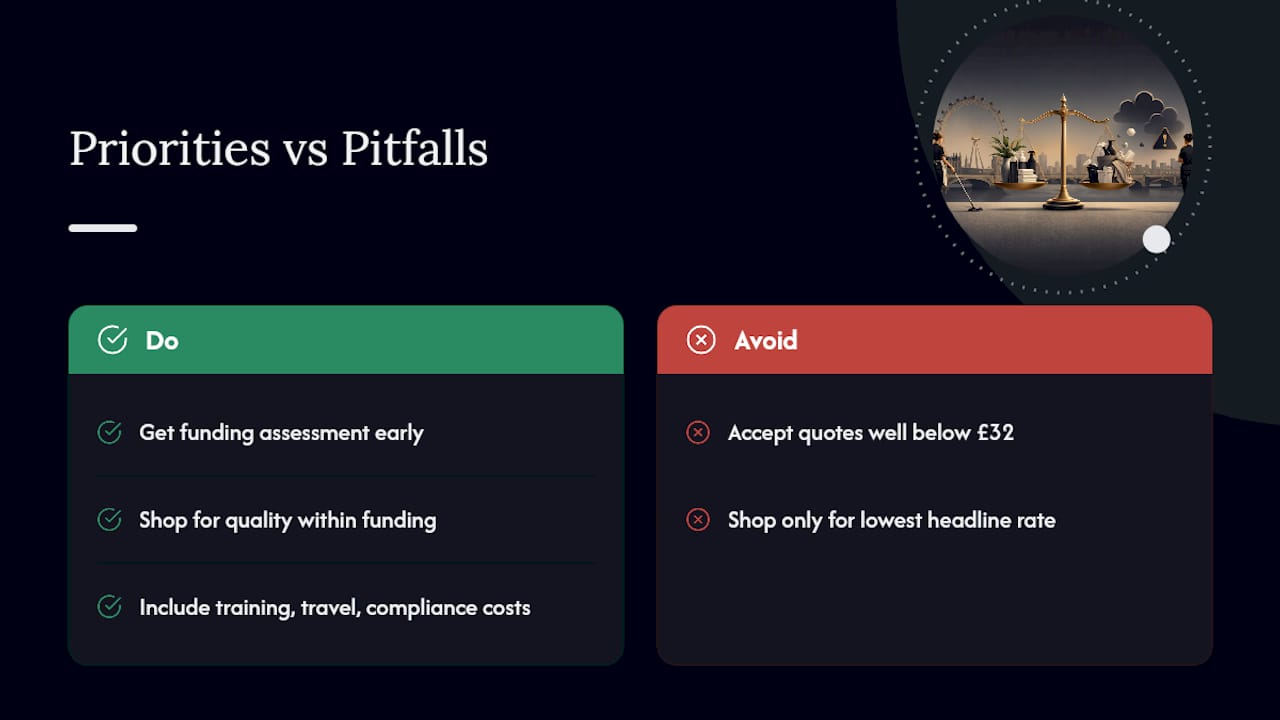
The conventional advice, “shop around for the lowest quote”, falls apart once you understand the Minimum Price for Homecare benchmark. A quote significantly below £32 an hour isn’t a bargain. It’s a warning sign about staff turnover and continuity, the two things that matter most to a vulnerable person who depends on a familiar face.
What should families prioritise first? Not the headline rate, but the funding assessment. Too many people budget for months of self-funded care before discovering they might have qualified for council support or NHS Continuing Healthcare from day one. Get the assessment done early, then shop for quality within whatever funding picture emerges.
— Dan
Where Kells-care fits into your plan
Kells-care is the option worth calling once you’ve worked out your rough budget and funding position. Unlike piecing together informal help or negotiating with an unregulated cleaner, Kells-care gives you a CQC-regulated, DBS-checked team built specifically for domiciliary housekeeping and personal support in London, with over 30 years of local experience behind every placement.
That matters most for families who want continuity: the same familiar carers, transparent rates, and a provider who explains exactly what’s covered before you sign anything. If you’d like a clearer picture of costs and options for your specific situation, request a free home care guide from Kells-care and get a written assessment tailored to your relative’s needs.
Sources
- Domiciliary Care 2026: UK Cost & Funding Guide
- Fee rates for state‑funded homecare in 2025–26 (Homecare Association)
- Domiciliary care (HSE guidance)
- Social care guidance scope (NICE)


