
TL;DR:
- Falls are the leading cause of injury-related deaths among adults aged 65 and older, causing thousands of fatalities and millions of emergency visits annually. Combining exercise, home safety modifications, and health management can significantly reduce fall risks, supporting safe independence for seniors.
Falls are the leading cause of injury-related death among adults aged 65 and older, causing over 38,000 deaths and nearly 3 million emergency visits in 2021. That figure is sobering, but it is not inevitable. Clinically recognised fall prevention strategies, which combine exercise, home safety modifications, and health management, can substantially reduce your risk. Falling is never a normal part of ageing. With the right steps in place, you can protect your independence and continue living safely at home.
1. How can targeted exercise reduce fall risk in seniors?
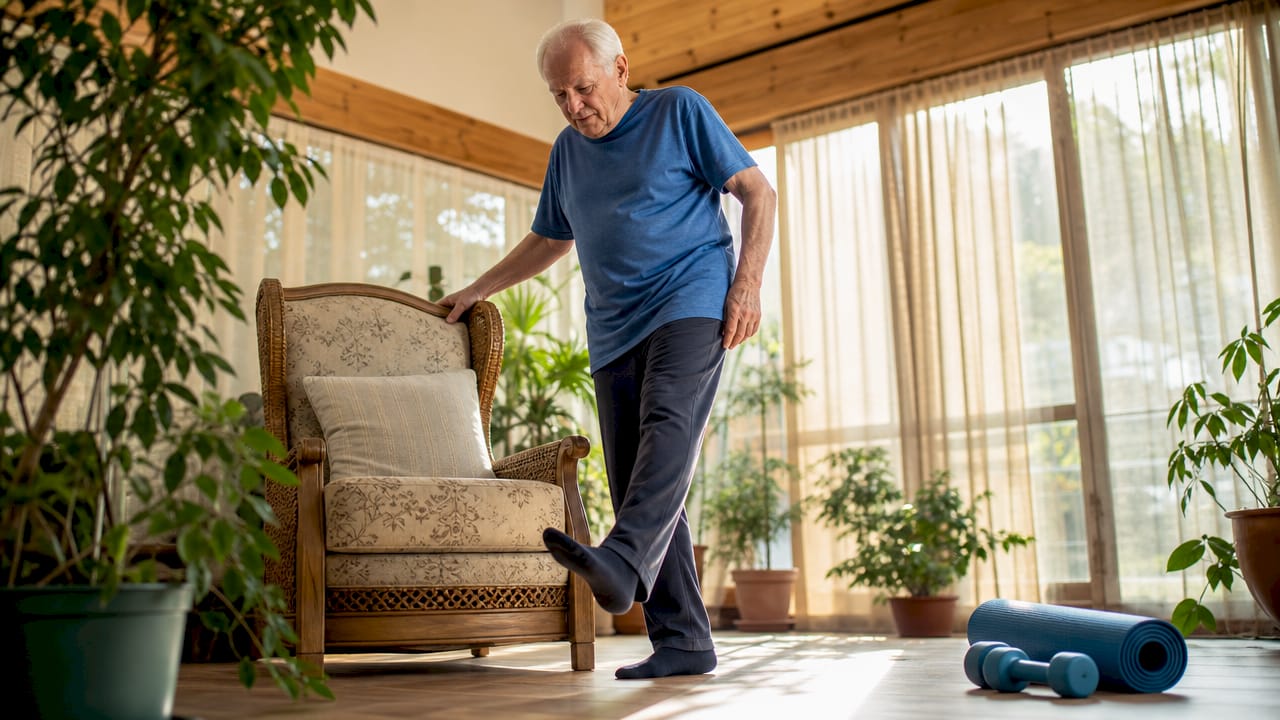
Regular exercise is the single most effective fall prevention method for seniors. A Cochrane review found that clinician-approved exercise programmes can reduce the rate of falls by 23% and decrease the number of people who fall by 15%. That means structured movement is not optional; it is a core part of staying safe.
The most effective exercise types for preventing falls include:
- Balance training: Tai chi and yoga both improve postural stability and have strong evidence behind them.
- Strength training: Exercises targeting the legs, hips, and core reduce the muscle weakness that makes falls more likely.
- Walking programmes: Regular brisk walks build endurance and reinforce good gait patterns.
- Flexibility exercises: Stretching keeps joints mobile and reduces stiffness that can cause stumbling.
Balance depends on muscle strength, posture, vision, hearing, and cognitive focus. Mental activity is a critical but often overlooked factor. Puzzles, reading, and social engagement all support the cognitive side of balance. If you are caring for a loved one with memory concerns, cognitive engagement and Alzheimer’s support resources can complement physical exercise programmes.
Pro Tip: Start with just 10 minutes of balance or strength work each day. Consistency matters far more than intensity, especially in the early weeks.
2. What home modifications are essential for fall prevention?
The home is where most falls happen, and most home hazards are fixable. Falling should never be accepted as a normal part of ageing; simple practical steps can keep seniors safe and independent. A room-by-room review is the most reliable way to spot risks before they cause harm.
Key home safety changes to prioritise:
- Remove loose rugs and clutter: Trailing rugs and objects left on floors are among the most common tripping hazards.
- Improve lighting: Fit nightlights in hallways, bathrooms, and bedrooms. Motion-sensor lights are particularly useful for night-time trips.
- Install grab bars: Bathroom grab bars beside the toilet and inside the shower provide critical support. Stair handrails should be secure on both sides.
- Reorganise storage: Keep frequently used items at waist height to avoid reaching up or bending down unnecessarily.
- Secure electrical cables: Route cables along walls and away from walkways.
Home hazard assessments are most effectively conducted by occupational therapists or trained health professionals. A professional assessment goes beyond what a family member might notice, identifying risks in lighting, flooring, and furniture layout that are easy to miss. For families supporting a loved one at home, a practical home safety guide can provide a useful starting framework.
Pro Tip: Personalising grab bars and walking aids with coloured tape or decorative covers can make them feel less clinical and more like a natural part of the home.
3. How does managing health and medications help prevent falls?
Medication side effects are a leading but underappreciated cause of falls in older adults. Sedatives, blood pressure medicines, and some antidepressants can all affect balance, coordination, and alertness. A review with your GP or pharmacist can identify which medicines carry the highest fall risk and whether alternatives exist.
Key health management steps include:
- Medication review: Ask your GP to assess all current medicines, including over-the-counter supplements, for side effects that affect stability.
- Vision checks: Poor vision is a direct fall risk. Annual eye tests and updated glasses prescriptions are straightforward preventive steps.
- Hearing checks: Hearing loss affects spatial awareness and balance. Hearing aids, when fitted correctly, can improve stability.
- Hydration and nutrition: Dehydration causes dizziness. Adequate protein intake supports muscle mass, which protects against falls.
On supplements, recent evidence does not support vitamin D supplementation specifically for fall prevention, though it does benefit bone and muscle health generally. That distinction matters: taking vitamin D will not replace exercise or medication management, but it remains a reasonable part of overall bone care. Good medication management in home care covers the practical steps for keeping track of medicines safely at home.
Pro Tip: Bring a written list of all medicines, including dosages and timing, to every GP or specialist appointment. This single habit makes medication reviews far more productive.
4. What assistive devices and technologies support fall prevention?
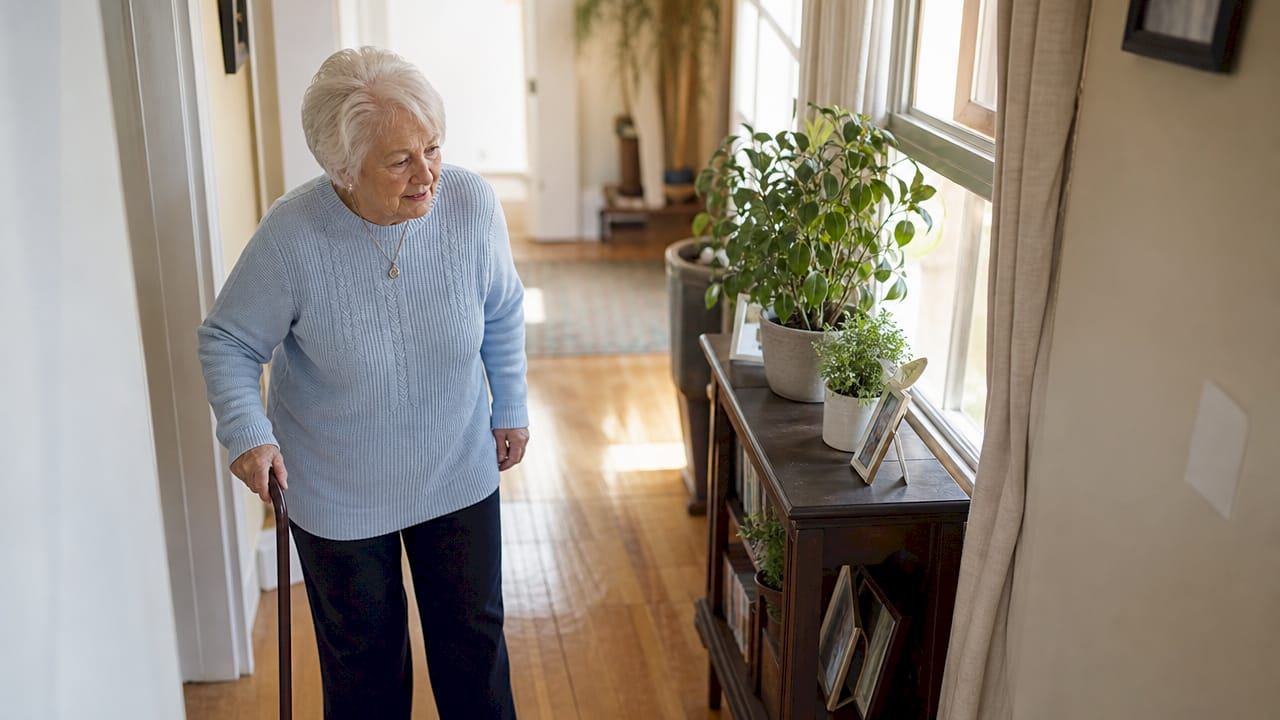
Properly fitted mobility aids reduce falls when used consistently. A cane or walker prescribed and adjusted by a physiotherapist provides far more benefit than one bought off the shelf without guidance. The key word is “fitted.” An incorrectly sized cane can actually increase fall risk by altering your gait.
Useful assistive devices and technologies include:
- Canes and walkers: Effective when fitted correctly and used on every trip, not just outdoors.
- Non-slip footwear: Well-fitted shoes with low heels and rubber soles reduce slip risk on smooth floors.
- Medical alert pendants: Wearable devices allow you to call for help immediately after a fall, reducing the time spent on the floor.
- Smartwatches with fall detection: Devices with automatic fall detection can alert emergency contacts without any action from the wearer.
- Check-in apps: Phone applications with scheduled check-ins provide a safety net for older adults living alone.
There is psychological stigma around using canes and walkers. Many people delay using them because they feel the device signals decline. Personalising these devices with decorations or choosing modern designs can help overcome that barrier and improve consistent use. One practical safety tip worth knowing: if you feel yourself falling, falling backward is safer than falling onto your hands, as it reduces the risk of serious wrist or head injuries.
Pro Tip: Ask a physiotherapist to review your walking aid annually. Bodies change, and an aid that fitted well two years ago may no longer be the right height or style.
5. When should seniors seek professional assessments?
Not every older adult needs the same level of clinical input, but certain situations call for a formal fall risk assessment. Clinical guidelines recommend comprehensive falls assessment for patients with two or more falls in a year or falls that required medical treatment. A single fall with loss of consciousness also warrants immediate professional review.
A comprehensive fall risk assessment typically covers:
- Gait and balance evaluation, often using standardised tests such as the Timed Up and Go test.
- Medication review by a GP or pharmacist.
- Vision and hearing assessment.
- Home hazard evaluation by an occupational therapist.
- Review of chronic conditions that affect stability, such as Parkinson’s disease, osteoporosis, or diabetes.
- Referral to physiotherapy or a structured exercise programme based on findings.
Ongoing reviews matter as much as the initial assessment. Fall risk changes with health status, new medicines, and seasonal factors such as icy paths in winter. Building a habit of annual reviews with your GP keeps your prevention plan current. Families who want to understand how independent living support fits into this picture will find practical guidance on what professional home care can offer.
Key takeaways
Effective fall prevention for seniors requires combining exercise, home safety changes, health management, and appropriate assistive devices rather than relying on any single strategy.
| Point | Details |
|---|---|
| Exercise reduces falls significantly | Clinician-approved programmes cut fall rates by 23%; balance and strength training are the most effective types. |
| Home modifications remove key hazards | Grab bars, improved lighting, and removing loose rugs address the most common causes of home falls. |
| Medication reviews are non-negotiable | Many common medicines affect balance; a GP review can identify and reduce this risk. |
| Assistive devices work when fitted correctly | Canes and walkers must be professionally sized; personalising them improves consistent use. |
| Professional assessment sets the baseline | Two or more falls in a year is the clinical trigger for a comprehensive fall risk assessment. |
Why I think we underestimate the psychological side of fall prevention
Most articles on preventing falls in seniors focus on grab bars and exercise. Both matter. But after years of working alongside families navigating care decisions, I have seen something that rarely gets discussed: the fear of falling is often as disabling as a fall itself.
Older adults who have fallen once frequently restrict their movement to avoid falling again. They stop going out, stop using the stairs, stop doing the things that actually keep them strong. That restriction accelerates the very muscle loss and deconditioning that makes future falls more likely. The fear becomes self-fulfilling.
The most effective fall prevention approach I have seen is one that addresses confidence alongside physical risk. That means gradual, supported return to activity after a fall, not enforced rest. It means honest conversations with a GP about which medicines are genuinely necessary. It means families understanding that encouraging a parent to use a walking aid is an act of care, not a concession to decline.
Falling is not inevitable. But treating it as inevitable, by quietly removing activities rather than building capacity, is one of the most common mistakes I see. The goal is always to support independence, not to wrap someone in cotton wool.
— Dan
How Kells-care supports safe ageing at home
Kells-care has provided personalised home care in London for over 30 years, supporting seniors with the daily tasks and health monitoring that underpin fall prevention. Kells-care carers assist with mobility, medication management, and household safety, all tailored to each person’s specific needs. Every carer is fully qualified, DBS checked, and regulated by the Care Quality Commission. If you are thinking about what practical support looks like for your family, the free home care guide from Kells-care is a clear starting point. It covers the full range of home care options, from check-in visits to round-the-clock support, so you can make an informed decision at your own pace.
FAQ
What is the most effective way to prevent falls in seniors?
The most effective approach combines clinician-approved exercise, home hazard removal, and medication review. No single measure works as well as all three together.
How many falls trigger a clinical assessment?
Clinical guidelines recommend a comprehensive fall risk assessment after two or more falls in a year, or after any fall that required medical treatment.
Are balance exercises safe for older adults with limited mobility?
Yes, when prescribed by a physiotherapist or GP. Seated balance exercises and supported standing work are suitable starting points for those with limited mobility.
Does vitamin D prevent falls?
Recent evidence does not support vitamin D as a specific fall prevention measure, though it supports bone and muscle health, which contributes to overall stability.
What should you do immediately after a fall?
Stay calm and assess for pain before trying to get up. If you cannot get up safely or are in pain, use a medical alert device or call for help rather than attempting to stand unaided.


