TL;DR:
- Independence in care involves maintaining a person’s choice, dignity, and control over their daily life with appropriate support. Person-centred and self-directed approaches empower individuals to participate actively in decisions, promoting wellbeing and preventing autonomy loss. Regular assessment and tailored multi-component strategies, especially in dementia care, are essential for sustaining independence and quality of life.
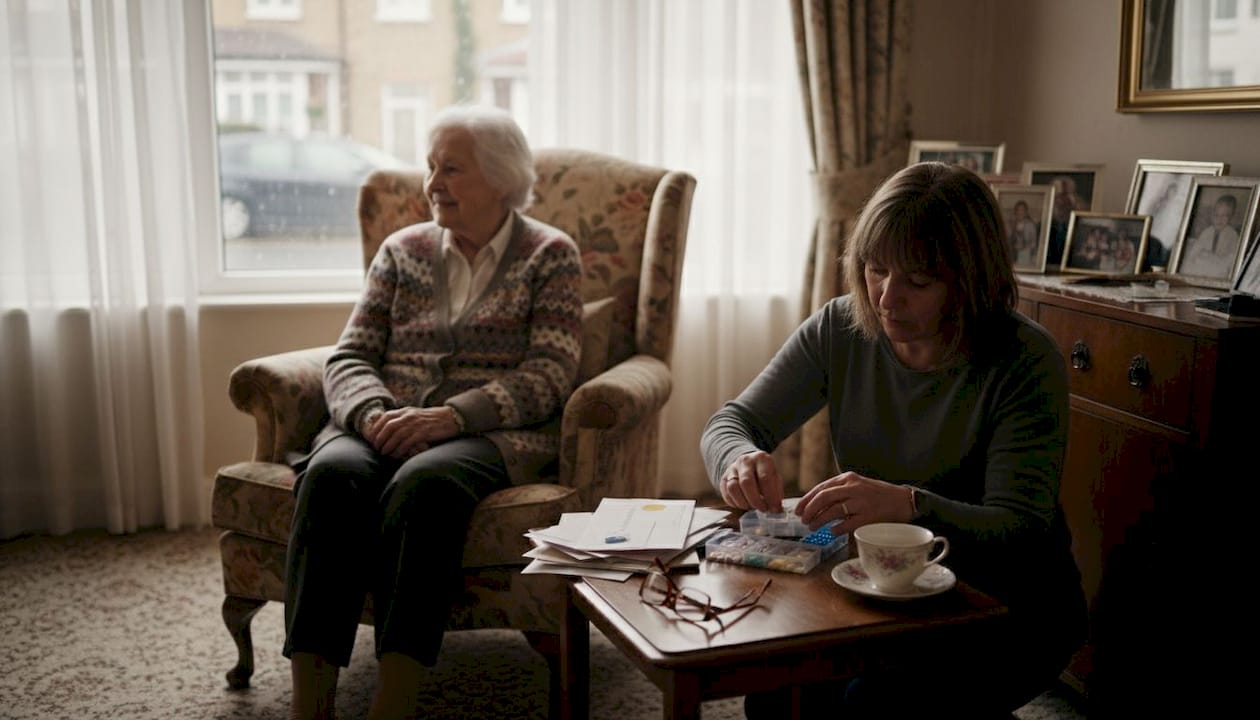
Independence in care is defined as a person’s right to retain choice, dignity, and control over their daily life, even when they need support from others. This is the foundation of person-centred care, the recognised professional standard in UK and international caregiving. For families supporting elderly parents, or loved ones living with dementia or a disability, understanding this distinction changes everything. Receiving help with washing, meals, or mobility does not mean losing independence. Ageing in place with external help is framed by Harvard Health as maintaining control, not surrendering it. The goal is always enablement, not replacement.
What does independence in caregiving actually mean?
Independence in caregiving means supporting a person’s ability to make decisions, express preferences, and direct their own life. It does not mean doing everything without assistance. This distinction matters enormously, and many families miss it entirely.
Person-centred care treats older adults as active partners in decisions about their care, keeping their goals central and promoting genuine respect. This means asking your mother which carer she prefers, or checking with your father before changing his daily routine. These small acts of consultation are the practical expression of independence in care.
The distinction between assistance and loss of control is where many caregiving relationships go wrong. Helping someone dress is assistance. Deciding what they will wear without asking is a loss of control. One supports independence; the other quietly erodes it. Dignity and respect are not soft extras in caregiving. They are the structural foundation on which all good care is built.
Consider a person with limited mobility who can no longer cook unaided. Independence does not mean cooking alone. It means choosing the meal, directing the preparation, and eating at a time that suits them. The carer’s role is to enable that process, not to take it over.
- Choice: The person decides what support they want and when.
- Dignity: Care is delivered with respect, never condescension.
- Control: The individual directs their care rather than receiving it passively.
- Involvement: They are consulted on changes to their routine or support plan.
- Flexibility: Support adapts to their preferences, not just their physical needs.
Pro Tip: When reviewing a care arrangement, ask the person receiving care directly: “Is there anything you wish you could still decide for yourself?” Their answer will tell you more than any assessment form.
How do self-directed services support autonomy in elder care?
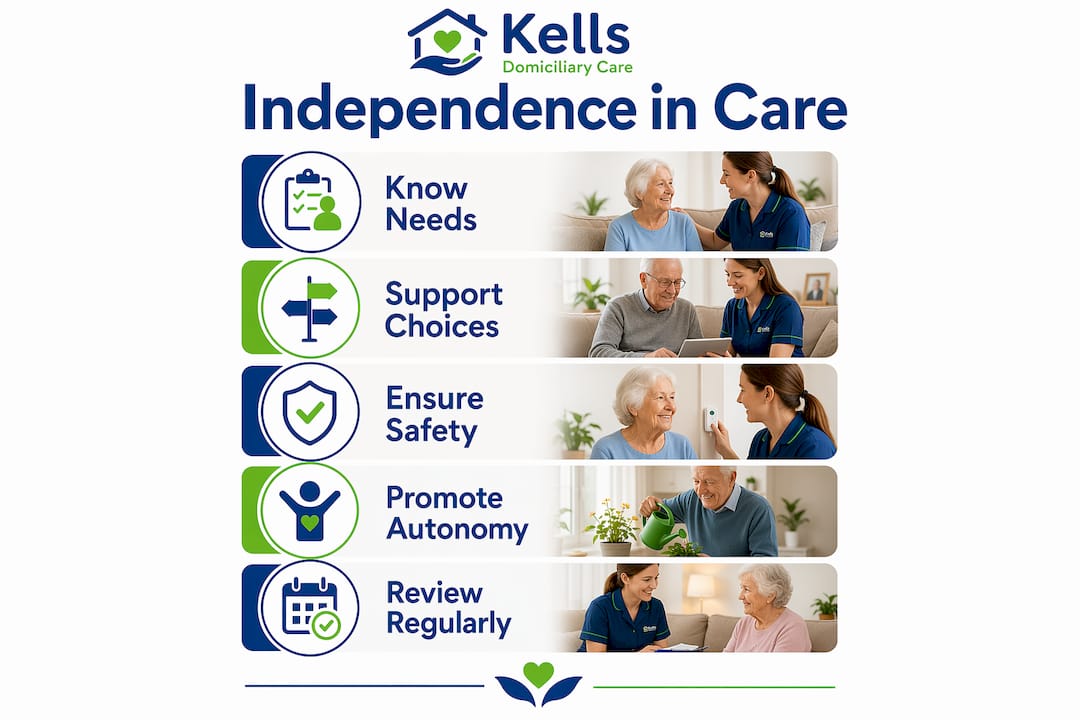
Self-directed services give individuals direct control over who supports them, how that support is delivered, and when. This model represents one of the most concrete expressions of the importance of independence in care.
Indiana’s INCharge Self-Directed Services model illustrates this well. Participants choose, hire, and manage their own caregivers, including the ability to replace carers who are not a good fit. This level of control over staffing continuity is particularly significant in dementia care, where familiar faces and consistent routines reduce anxiety and behavioural crises.
Home and community-based services (HCBS) programmes extend this further. Medicaid HCBS programmes cover equipment, day care, meals, and transport that support independent living for elderly people. Most states in the US fund a range of these supports, and the UK equivalent through local authority care funding operates on similar principles. The practical implication is that independence is not just a philosophy. It is something that can be funded, planned, and structured.
Here is how self-directed and community-based services typically work in practice:
- Needs assessment: The individual and their family identify what support is needed and in what areas of daily life.
- Budget allocation: Funding is assigned based on assessed need, giving the person a defined resource to work with.
- Carer selection: The individual chooses who provides their care, whether a professional agency or a trusted person.
- Schedule control: Support hours are arranged around the person’s preferences, not a provider’s convenience.
- Review and adjustment: The plan is reassessed regularly as needs change.
| Approach | Who controls the care? | Key benefit |
|---|---|---|
| Traditional agency model | Agency assigns carers and schedules | Reliable, regulated, consistent quality |
| Self-directed services | Individual chooses carers and hours | Maximum personal control and continuity |
| Community-based HCBS | Funded mix of services and supports | Broader coverage including transport and meals |
Pro Tip: If you are exploring paying for home care in the UK, ask your local authority specifically about direct payments. These give families more control over how care funding is used, similar to the self-directed model.
What special considerations apply when promoting independence for people with dementia?
Dementia care requires a more layered approach to independence. Cognitive decline affects decision-making capacity, but it does not eliminate a person’s right to dignity, choice, or involvement in their own care. The challenge is calibrating support to the person’s current abilities without either over-assisting or leaving them unsafe.
Multi-component, tailored interventions that combine safety planning, behaviour management, and caregiver self-care produce the strongest outcomes in dementia caregiving. Single-skill training, such as learning one communication technique, is consistently less effective than an integrated approach. This finding from VA HSR&D research is significant because it tells families that looking for one simple solution is the wrong strategy.
Tailored support also reduces the likelihood of crisis and premature institutionalisation. When carers are equipped with a range of skills and the person’s environment is structured to support safe independence, the person can remain at home for longer. That outcome benefits everyone, and it begins with understanding that independence-supporting caregiving in dementia is a system of tailored skills, not a single technique.
Practical considerations for dementia-specific independence support include:
- Familiar routines: Consistent daily schedules reduce confusion and support the person in anticipating what comes next.
- Carer continuity: The same carers, where possible, reduce distress and build trust over time.
- Environmental structuring: Simple home modifications such as clear labelling, good lighting, and removing trip hazards support safe independence.
- Preserved choices: Offering two options rather than open-ended questions helps the person exercise choice without becoming overwhelmed.
- Caregiver wellbeing: Family carers who receive their own support are better equipped to promote independence rather than defaulting to over-assistance out of exhaustion or anxiety.
Balancing safety and autonomy is the central tension in dementia care. The answer is not to remove all risk. It is to manage risk in a way that preserves as much meaningful choice as possible.
How can families practically support independence at home?
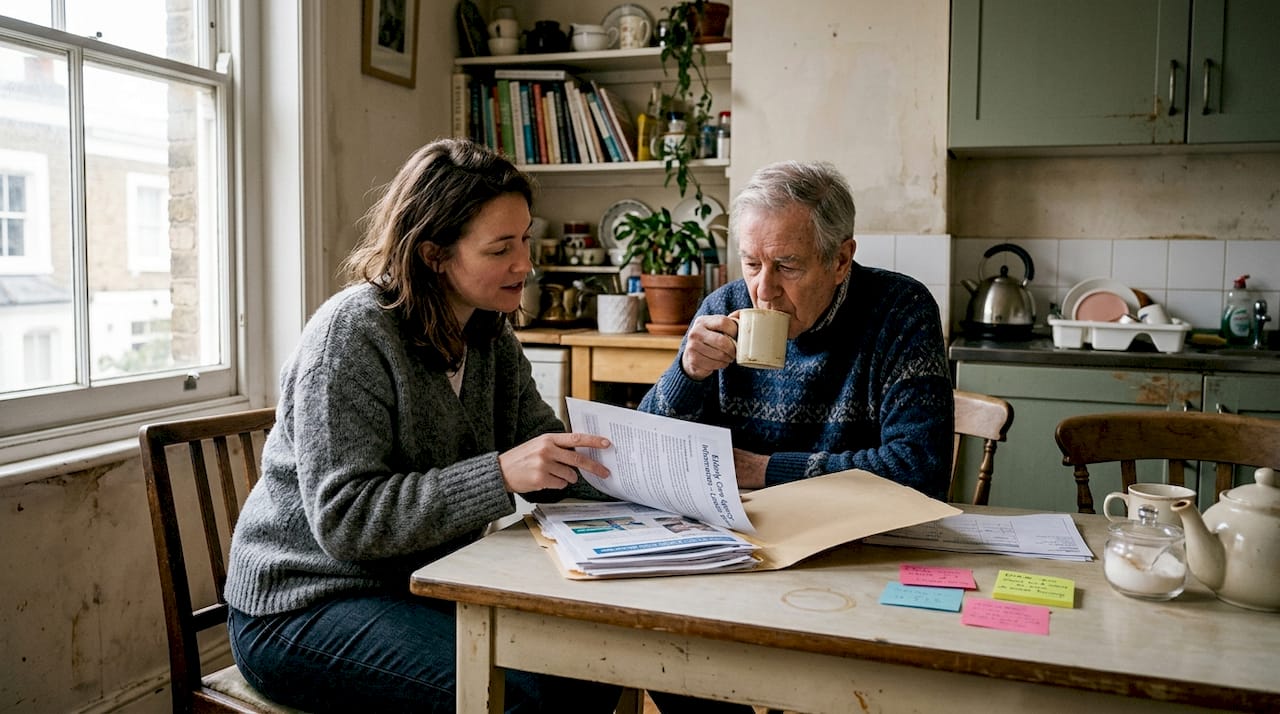
The most effective starting point is an honest assessment of the person’s current abilities and likely future needs. Early planning based on physical and mental abilities allows families to put supports in place before a crisis forces rushed decisions. This is not pessimism. It is good care.
Independence and staying at home are not fixed states. Needs change, and the support plan must change with them. A person who manages well with weekly check-in visits today may need daily support in twelve months. Building flexibility into the care arrangement from the start avoids the disruption of having to rebuild it under pressure.
Practical strategies for families include:
- Home modifications: Grab rails, stair lifts, wet rooms, and improved lighting reduce physical barriers to independence without requiring a carer to be present.
- Technology: Medication reminder apps, personal alarm systems, and video calling reduce isolation and support safety between carer visits.
- Community services: Day centres, befriending services, and local authority meal delivery extend the support network beyond the family.
- Involving the person: Every decision about care should include the person wherever possible. Ask, consult, and listen before acting.
- Choosing the right carer: Continuity of caregivers is operationally important because it maintains routines and reduces behavioural crises, particularly in dementia care. Prioritise consistency when selecting a care provider.
- Regular reassessment: A needs assessment should be revisited at least annually, or whenever there is a significant change in health or circumstances.
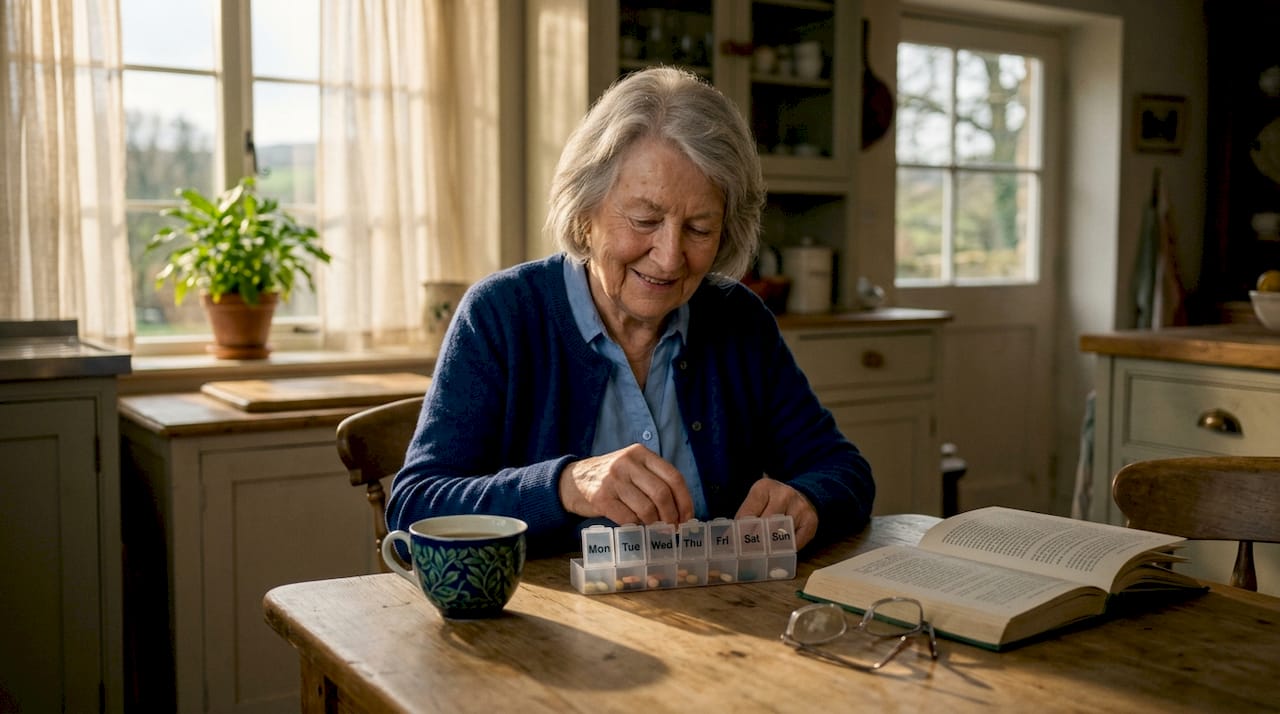
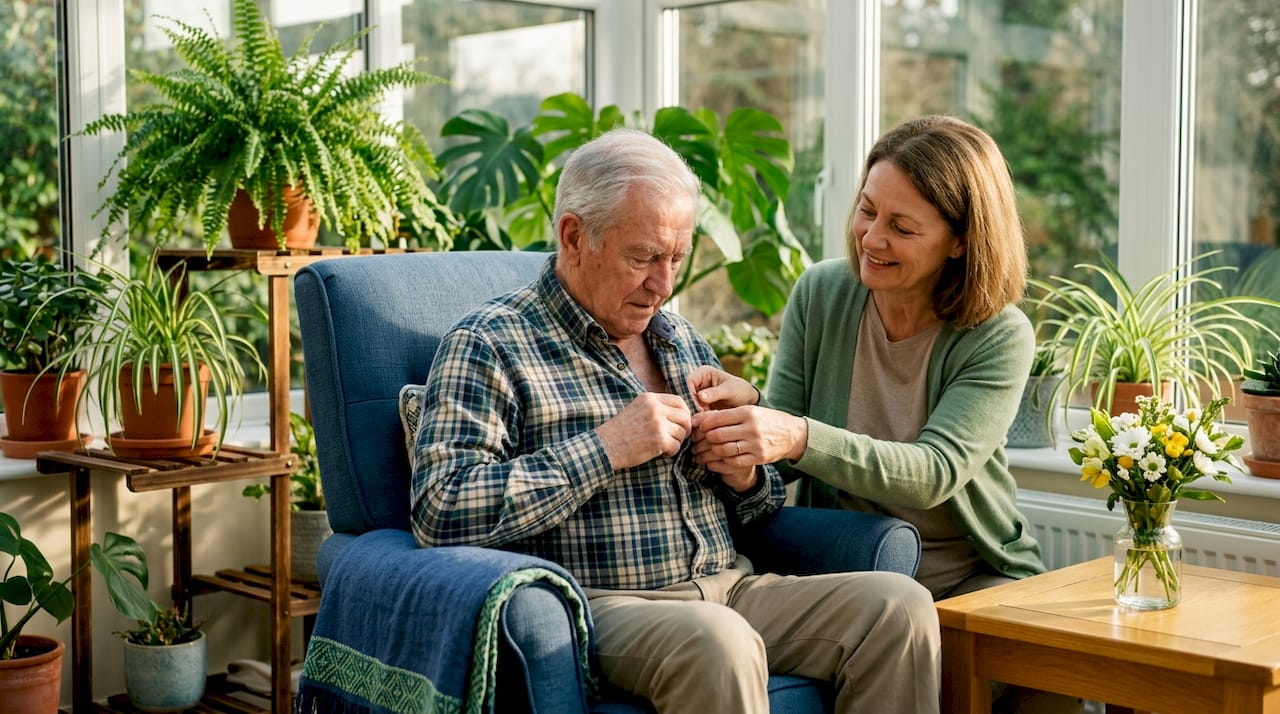
Supporting independence also means coaching rather than doing. If a person can button their own coat with a little extra time, let them. If they can choose their own breakfast from two options, offer the choice. These moments of self-direction accumulate into a meaningful sense of agency and wellbeing.
Pro Tip: Keep a simple weekly log of tasks the person completes independently. Over time, this record helps you spot gradual changes in ability and adjust support before a crisis develops.
Key takeaways
Independence in care is defined by choice, dignity, and control, and it is best supported through person-centred planning, self-directed services, and tailored multi-component approaches, especially in dementia care.
| Point | Details |
|---|---|
| Independence means choice, not isolation | Receiving care does not reduce independence; losing decision-making power does. |
| Person-centred care is the standard | Treat the individual as an active partner in every care decision, however small. |
| Self-directed services maximise control | Models like INCharge allow individuals to hire and manage their own carers. |
| Dementia care needs a multi-component approach | Single techniques are less effective than integrated safety, behaviour, and wellbeing support. |
| Reassessment is not optional | Needs change over time; care plans must be reviewed regularly to remain effective. |
Why preserving autonomy is the hardest and most important part of caregiving
I have spent years working alongside families navigating the shift from independent living to supported care, and the same pattern appears repeatedly. The family steps in with the best intentions, takes over tasks to save time, and within months the person they are caring for has stopped trying. Not because they cannot manage, but because no one is asking them to.
The loss of autonomy in elder care is rarely dramatic. It happens in small moments. A daughter who starts making all the phone calls. A son who decides what his father will eat without asking. A carer who dresses someone efficiently rather than letting them do what they can. Each act is kind in isolation. Together, they dismantle a person’s sense of self.
What I have found actually works is deliberate restraint. Carers and families who consciously pause before acting, who ask before deciding, and who promote dignity in care as a daily practice rather than an occasional gesture, produce measurably better outcomes. The person remains engaged, retains skills for longer, and reports greater wellbeing.
The uncomfortable truth is that supporting independence takes more time than doing things for someone. It requires patience, consistency, and the willingness to let a person struggle a little in order to succeed. That is not neglect. That is respect. And for families who are tired and stretched, it is worth remembering that an empowered person is also a more cooperative one. Independence is not just good for the person receiving care. It makes caregiving more sustainable for everyone involved.
— Dan
How Kells-care supports independence at home
At Kells-care, promoting independence is not a policy statement. It is the basis of every care plan we build. For over 30 years, Kells Domiciliary Care has provided personalised home care across London, designed around each individual’s abilities, preferences, and goals. Whether your loved one needs a brief daily check-in or more intensive support, our fully qualified, DBS-checked carers work to enable rather than replace. We are regulated by the CQC and committed to quality of life, dignity, and freedom of choice. Download our free home care guide to understand your options and take the first step towards a care plan that genuinely supports your loved one’s independence.
FAQ
What is the explanation of independence in care?
Independence in care means a person retains choice, dignity, and control over their daily life even when receiving support. It is defined by involvement in decisions, not by the ability to do everything alone.
Why is independence important in caregiving?
Preserving independence supports a person’s sense of identity, wellbeing, and motivation. Person-centred care research consistently shows that individuals who remain active partners in their care maintain better outcomes over time.
How can I promote independence for a parent with dementia?
Use consistent carers, structured routines, and simple environmental modifications to support safe independence. Multi-component approaches combining safety planning, behaviour management, and caregiver support produce the strongest results according to VA HSR&D evidence.
What are self-directed care services?
Self-directed services allow individuals to choose, hire, and manage their own carers, giving them direct control over who supports them and how. Indiana’s INCharge model is a well-documented example of this approach in practice.
How often should a care plan be reassessed?
A care plan should be reviewed at least once a year, or immediately following any significant change in health, mobility, or cognitive ability. Regular reassessment keeps support matched to current needs and preserves independence as circumstances evolve.