TL;DR:
- Elderly safeguarding involves protecting older adults from abuse while respecting their rights and independence. Many older individuals experience various forms of harm, often unnoticed, requiring caregivers to recognize signs and act swiftly. Building a support network and maintaining a person-centered approach are essential to prevent harm and promote safety at home.
Elderly safeguarding is defined as the process of protecting older adults from abuse, neglect, and exploitation while upholding their rights, dignity, and autonomy throughout care. In the UK, around 500,000 people aged 65 and over experience abuse or neglect each year. That figure represents real families, real homes, and real harm that often goes undetected for months. Understanding what is elderly safeguarding, and knowing how to act on that understanding, is one of the most protective things you can do for an older person you love. This guide covers the types of abuse to recognise, the risk factors to watch for, and the practical steps families and caregivers can take right now.
What is elderly safeguarding and why does it matter?
Elderly safeguarding is the formal and informal practice of keeping older adults safe from harm while respecting their right to make their own choices. The term is sometimes used interchangeably with “safeguarding vulnerable adults,” which is the recognised industry standard in UK social care policy. Both refer to the same core commitment: that every older person deserves to live free from fear, abuse, and neglect.
Safeguarding adopts a rights-based approach, supporting an individual’s right to live freely while respecting their autonomy. This is a critical distinction. Safeguarding is not about removing control from older people. It is about creating conditions where they can exercise control safely. Globally, 1 in 10 older adults experiences some form of abuse, neglect, or exploitation per year, which shows how widespread and urgent this issue truly is.
Effective safeguarding covers six recognised categories of harm: physical abuse, emotional abuse, sexual abuse, financial abuse, neglect, and self-neglect. Each requires a different response, and each leaves different signs. Knowing the difference matters enormously when you are the person closest to an older adult every day.
What forms of abuse and neglect affect elderly individuals?
Recognising the types of harm is the foundation of elder abuse prevention. The categories below are not rare edge cases. They occur in family homes, residential care settings, and supported living arrangements across the UK.
| Abuse Type | Common Signs | Example |
|---|---|---|
| Physical abuse | Unexplained bruises, fractures, or burns | Being struck, restrained, or given incorrect medication |
| Emotional abuse | Withdrawal, anxiety, fearfulness near a specific person | Threats, humiliation, or deliberate isolation |
| Sexual abuse | Unexplained injuries, distress during personal care | Any non-consensual sexual contact |
| Financial abuse | Missing funds, sudden changes to wills, unpaid bills | Theft, fraud, or coerced financial decisions |
| Neglect | Poor hygiene, weight loss, untreated medical conditions | Failure to provide food, medication, or medical care |
| Self-neglect | Hoarding, refusal of care, deteriorating living conditions | Declining all support despite serious health risks |
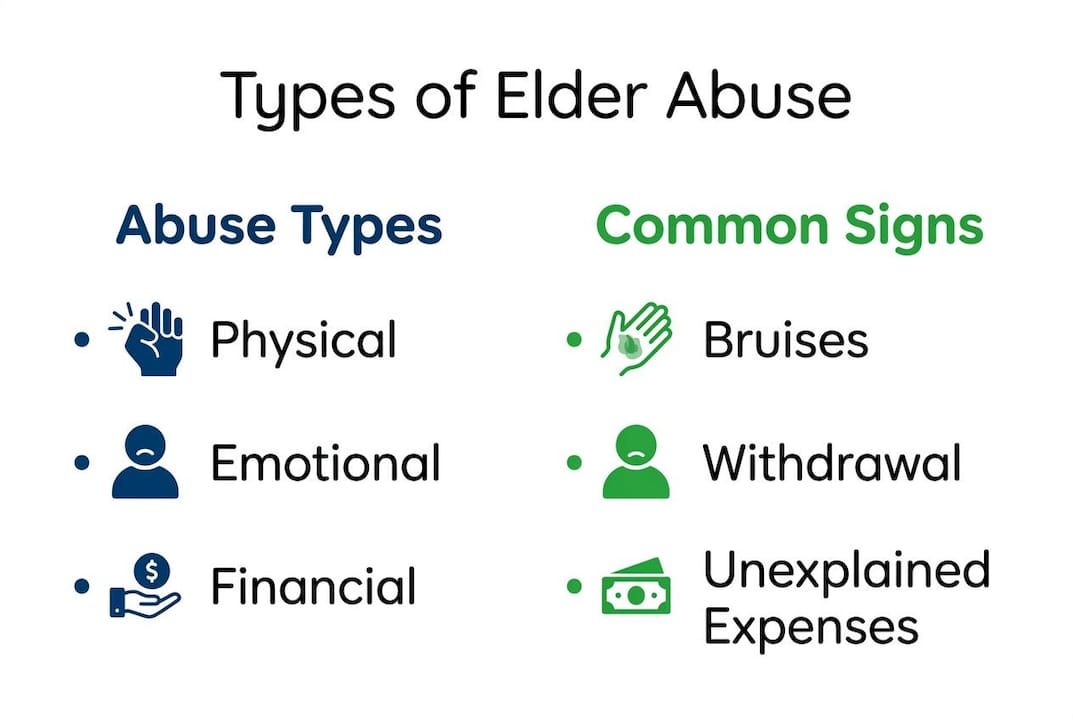
Financial abuse deserves particular attention. Elder financial fraud costs approximately $8 billion annually in the United States alone. That scale reflects a global pattern where older adults are deliberately targeted because of perceived vulnerability, cognitive decline, or social isolation.
Emotional abuse is often the hardest to detect because it leaves no visible marks. Watch for an older person who becomes unusually quiet, anxious, or reluctant to speak freely when a particular individual is present. These behavioural shifts are often the first signal that something is wrong.
Pro Tip: If you notice signs of abuse, document everything with dates, descriptions, and photographs where safe to do so. A written record strengthens any formal report you make later.
Abuse does not only happen in care homes. Research consistently shows that a significant proportion of elder abuse is carried out by family members or trusted individuals in the person’s own home. Recognising the signs a senior needs more care early can prevent situations from escalating to the point of harm.
Who is most at risk and what causes elder abuse?
Certain factors increase an older person’s vulnerability to abuse and neglect. Understanding these risk factors helps families and caregivers take preventive steps before harm occurs.
Older adults are at greater risk when they:
- Live with cognitive impairment such as dementia or Alzheimer’s disease
- Depend heavily on one person for daily care and support
- Experience social isolation with limited contact outside the home
- Have communication difficulties that make it harder to report concerns
- Have recently experienced a significant loss such as bereavement or a move into care
Caregiver stress is one of the most significant and least discussed contributors to elder neglect. Caregiver burnout is a major hidden driver of elder neglect and abuse, and recognising early signs is crucial. When a caregiver is exhausted, isolated, or unsupported, the risk of unintentional neglect rises sharply. This is not about blame. It is about recognising that caregiving without adequate support is unsustainable.
Early warning signs of caregiver burnout include persistent irritability, withdrawal from social contact, feelings of resentment, and physical exhaustion. The top signs of caregiver burnout are well documented and worth reviewing if you are supporting a loved one full-time.
Pro Tip: If you are a family caregiver feeling overwhelmed, seeking respite care is not a failure. It is one of the most protective decisions you can make for the person in your care.
Caregiver emotional health is a critical but often overlooked component of preventing elder abuse and neglect. Families who build support networks, share responsibilities, and access professional help consistently report better outcomes for their older relatives.
What are best practices for safeguarding elderly people at home?
Effective safeguarding is built on a person-centred approach. This means placing the older person’s wishes, preferences, and rights at the centre of every decision, rather than making choices on their behalf without consultation.
Here are the core best practices for protecting seniors in home and care settings:
-
Create a living care plan. Safeguarding plans are most effective when they are regularly updated with input from the elder and their caregivers. A static document quickly becomes outdated as health and circumstances change. Review the plan at least every three months, or after any significant health event.
-
Involve a multidisciplinary team. The most effective response to suspected abuse involves social workers, physicians, and law enforcement working together. No single professional has the full picture. Coordinated involvement produces better outcomes.
-
Arrange regular, varied visits. Consistent contact from multiple trusted people reduces the opportunity for abuse to go unnoticed. Vary the timing of visits so patterns cannot be anticipated by anyone who might wish to conceal harm.
-
Monitor medication carefully. Medication errors and deliberate misuse are both forms of harm. Use a monitored dosage system and keep a clear record of prescriptions, dosages, and administration times.
-
Set up legal protections early. A Lasting Power of Attorney, registered with the Office of the Public Guardian, protects financial and health decisions if the older person loses capacity. Establishing this while the person has full capacity is far simpler than applying through the Court of Protection later.
-
Support caregiver wellbeing. Families who share care responsibilities and access respite services are better placed to provide consistent, attentive support. Explore personalised care options that maintain your loved one’s independence while giving you reliable, professional support.
Pro Tip: Never make major changes to a care arrangement without discussing them directly with the older person first. Their consent and understanding are part of safeguarding, not an afterthought.
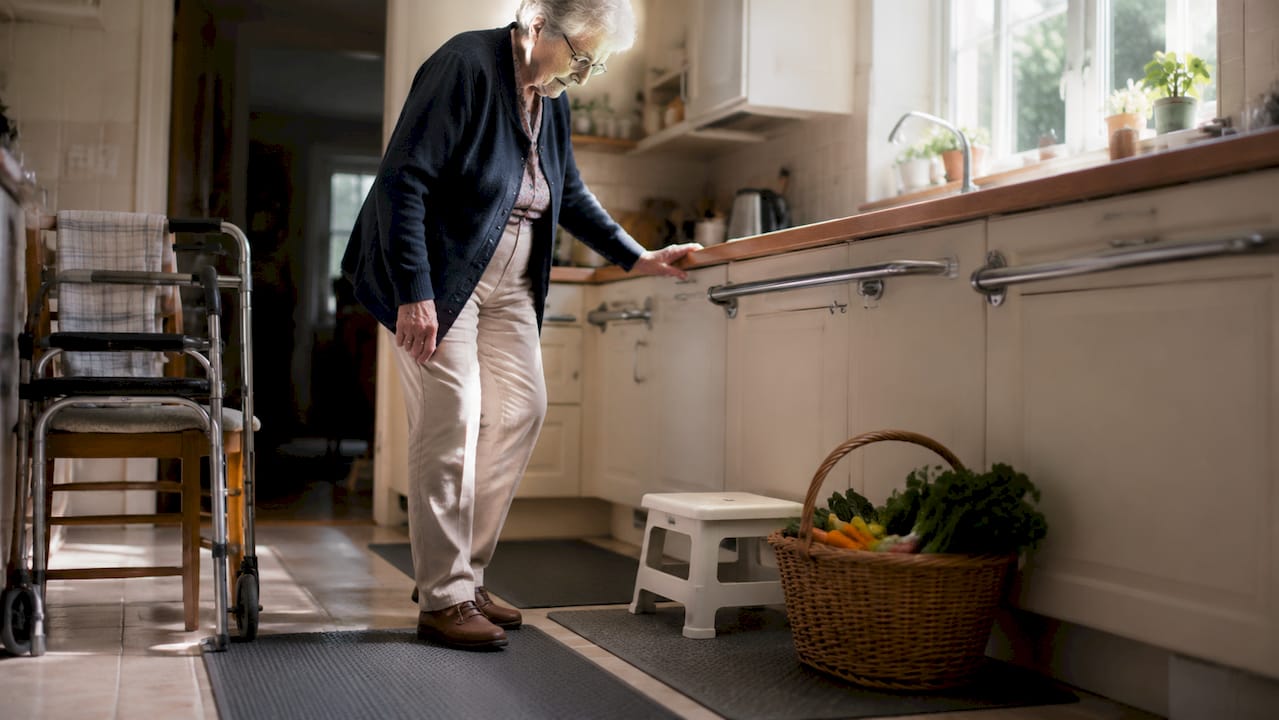
Safeguarding elderly people at home also means addressing the physical environment. Remove trip hazards, install grab rails, and check that heating and lighting are adequate. These practical measures reduce the risk of accidents that can be mistaken for, or compounded by, neglect.
How can families identify, report, and respond to suspected abuse?
Knowing what to look for is only useful if you also know what to do with that information. Families are often the first to notice something is wrong, and their response in the early stages can determine how quickly an older person receives protection.
Watch for these behavioural and physical warning signs:
- Sudden changes in mood, appetite, or sleep patterns
- Reluctance to speak in front of a particular person
- Unexplained injuries or repeated hospital admissions
- Withdrawal from activities the person previously enjoyed
- Unpaid bills, missing possessions, or unusual financial transactions
- Poor personal hygiene or a deteriorating home environment
If you notice any of these signs, begin documenting them immediately. Reporting abuse is often a continuous process, building a documented pattern necessary for effective intervention. A single report may not trigger immediate action, but a consistent record of concerns carries significant weight with safeguarding authorities.
To report concerns in England, contact your local authority’s Adult Social Care team. You can also call the police if the older person is in immediate danger. The Care Quality Commission (CQC) accepts reports about regulated care providers. NHS staff, social workers, and GPs are all mandatory reporters under the Care Act 2014.
Direct confrontation of alleged abusers can escalate danger and should be avoided. Leave intervention to trained professionals. Your role is to observe, document, and report, not to confront.
Balancing protection with autonomy is one of the most delicate aspects of safeguarding. Safeguarding respects an adult’s right to make decisions unless legally certified otherwise. If an older person with full mental capacity chooses to remain in a situation you consider risky, professionals must respect that choice while continuing to offer support and monitor the situation. You can find practical guidance on recognising when more help is needed in this London family guide to home care.
Key takeaways
Effective elderly safeguarding requires recognising abuse early, reporting it consistently, and placing the older person’s rights and dignity at the centre of every protective decision.
| Point | Details |
|---|---|
| Safeguarding is rights-based | Protection must respect the older person’s autonomy and right to make their own decisions. |
| Six abuse types to know | Physical, emotional, sexual, financial, neglect, and self-neglect each require different responses. |
| Caregiver burnout is a risk factor | Exhausted caregivers are more likely to cause unintentional neglect; respite care reduces this risk. |
| Living care plans are most effective | Update safeguarding plans regularly with input from the elder to keep protections current. |
| Report consistently, not just once | Building a documented pattern of concerns is necessary for formal intervention to succeed. |
What i have learned after years of watching families navigate this
The families I have seen struggle most with safeguarding are not the ones who lack love for their older relatives. They are the ones who wait too long to ask for help, convinced that managing alone is the right thing to do.
The hardest conversation in elder care is not the one you have with a safeguarding authority. It is the one you have with yourself when you admit that the situation has moved beyond what you can handle alone. Families often interpret that admission as failure. It is not. It is the moment when real protection becomes possible.
What I have also observed is that safeguarding works best when it is woven into everyday care, not treated as a crisis response. Regular check-ins, open conversations about how the older person is feeling, and consistent involvement from professionals all create a baseline that makes changes much easier to spot. Abuse thrives in silence and isolation. Consistent, caring presence is the most effective deterrent there is.
Multidisciplinary cooperation matters more than most families realise. A GP, a social worker, and a professional carer each see a different dimension of an older person’s life. When those perspectives are shared and coordinated, the gaps where harm hides become much smaller. If you are caring for an older relative at home, building that network proactively is one of the most protective things you can do, long before any crisis arises.
— Dan
How Kells-care supports families with elderly safeguarding
Kells-care has been providing professional home care across London for over 30 years. Our fully qualified, DBS-checked carers work alongside families to deliver personalised support that promotes dignity, independence, and safety for older adults in their own homes. We are regulated by the Care Quality Commission (CQC), so you can be confident that every aspect of our care meets the highest standards. If you are looking for practical guidance on protecting your older loved one, download our free home care guide to explore your options. You can also learn more about our personalised home care services and how we tailor support to your family’s specific needs. Contact Kells-care today to speak with our team.
FAQ
What does elderly safeguarding mean in the UK?
Elderly safeguarding in the UK is the process of protecting older adults from abuse, neglect, and exploitation while respecting their rights and autonomy, as set out under the Care Act 2014.
What are the six types of elder abuse?
The six recognised types are physical, emotional, sexual, and financial abuse, along with neglect and self-neglect. Each type presents different signs and requires a different response from families and professionals.
Who should i contact if i suspect elder abuse?
Contact your local authority’s Adult Social Care team or call the police if the person is in immediate danger. The Care Quality Commission also accepts reports about regulated care providers.
Can an older person refuse safeguarding support?
Yes. An older adult with full mental capacity has the legal right to refuse support, even if others consider the situation risky. Professionals must respect that decision while continuing to monitor and offer assistance.
How does caregiver burnout contribute to elder neglect?
Caregiver burnout is a major hidden driver of elder neglect and abuse. When caregivers are exhausted and unsupported, the risk of unintentional harm rises significantly, making respite care and professional support critical protective measures.