
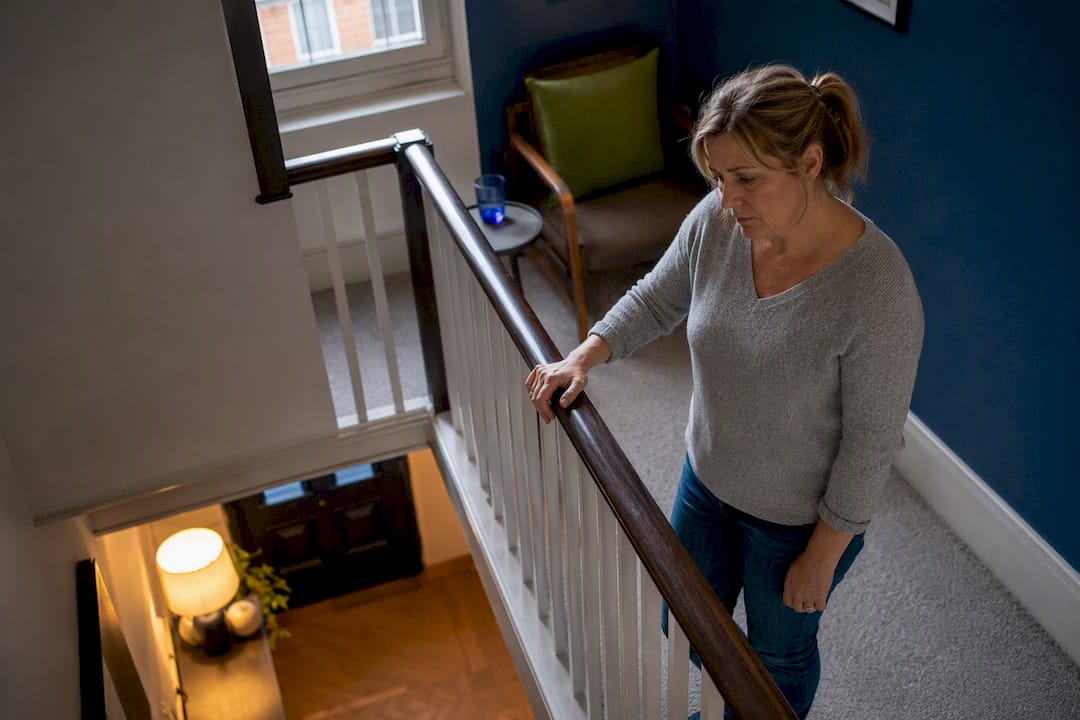
If you feel drained no matter how much you sleep, snap at people you love more than you used to, and find yourself avoiding calls from friends, you may be looking at caregiver burnout. It’s a state of physical, emotional and mental exhaustion caused by the ongoing demands of caring for someone else. The earliest and most telling signs are persistent fatigue, rising irritability or resentment, and pulling away from social contact. If two or more of these sound familiar, speak to your GP or arrange even a short break, this week.
TL;DR:
- Long hours of care, lack of respite, and social isolation significantly increase the risk of progressing from early burnout symptoms to physical and mental collapse.
- Persistent fatigue, irritability, withdrawal from social contact, and declining functioning indicate escalating levels of caregiver exhaustion requiring urgent intervention.
- Professional help is recommended when burnout severely affects sleep, mood, or safety, and early requests for assessment and support can prevent collapse.
- Practical support such as short respite visits, delegating tasks, and regular breaks are effective immediate measures to reduce burnout.
- Formal social and clinical services, including GP assessments and reablement programs, help restore well-being and sustain caregiving capacity.
Table of Contents
- What are the emotional, physical and behavioural signs of caregiver burnout?
- How does caregiver burnout progress from early warning to collapse?
- What causes caregiver burnout and who is most at risk?
- When should you seek professional help for caregiver burnout?
- What practical steps reduce caregiver burnout right now?
- What support and treatment options actually help carers recover?
- How Kells-care supports carers dealing with burnout
- Where to find further help and reliable information
- Caregiver burnout signs: what the evidence actually tells carers to prioritise
- Sources
What are the emotional, physical and behavioural signs of caregiver burnout?
Caregiver burnout rarely announces itself with one dramatic moment. It builds through small changes that are easy to dismiss as “just a rough patch.” Recognising them as connected signals rather than personal failure is often the shift that helps carers act before things worsen, and it’s worth categorising what you’re noticing so the pattern becomes clearer.
Emotional signs tend to surface first. You might notice a low hum of anxiety that doesn’t lift, a sense of hopelessness about the future, or moments of guilt for wanting time to yourself. Some carers describe feeling emotionally numb, as though they’re going through the motions without actually feeling anything. Irritability is common too. Snapping at your partner over something trivial, or feeling flooded with resentment towards the person you’re caring for, doesn’t make you a bad carer. It’s a documented symptom, alongside anxiety and hopelessness, according to the Cleveland Clinic.
Physical signs often get blamed on age or a “bug going round.” Persistent fatigue despite a full night’s sleep is one of the clearest markers, alongside recurring headaches, unexplained aches, and a pattern of catching every cold or infection that passes through the house. Appetite can swing either way, comfort eating or skipping meals entirely, and sleep often becomes shallow even when you’re exhausted enough to fall asleep instantly.
Behavioural changes are usually what other people notice before you do. You might find yourself:
- Cancelling plans with friends or family more often than you keep them
- Missing your own medical or dental appointments
- Losing patience faster than usual, even with people outside the caring role
- Reaching for a glass of wine or a second helping to cope with a hard day
- Struggling to concentrate on conversations, paperwork, or even a television programme
A carer managing an elderly parent’s dementia might notice she’s stopped answering her sister’s calls, not because she doesn’t want to talk, but because she can’t summon the energy to explain how bad things have become. That withdrawal is the behavioural sign showing up in real time.
How does caregiver burnout progress from early warning to collapse?
Burnout tends to move through recognisable stages, and knowing where you sit on that path helps you judge how urgently you need to act.
- Early warning stage. Occasional exhaustion, mild irritability, and a nagging sense that you’re not coping as well as before. Daily tasks still get done, but they take more effort than they used to.
- Compensating stage. You start overworking to keep control, becoming hypervigilant about the person you care for while quietly cutting corners on your own needs. Sleep, meals, and social contact slip further down the list.
- Survival stage. You’re functioning on autopilot, getting through each day without any sense of enjoyment or purpose. Small setbacks feel catastrophic, and the risk of physical or mental collapse rises sharply here.
The practical marker to watch is functioning. If early warning signs mean you’re tired but managing, and the compensating stage means you’re managing but at a cost, survival stage means you’re barely managing at all. That’s the point to seek help immediately, not wait and see.
What causes caregiver burnout and who is most at risk?
Burnout rarely comes from one single pressure. It builds from several factors stacking up over time, and knowing which ones apply to you helps you work out where to intervene first.
- High care hours and long duration. A significant proportion of unpaid carers report poor mental health, with those providing intensive or long-term care being at higher risk, according to Carers UK.
- Lack of respite. Going weeks or months without a genuine break from caring duties is one of the strongest predictors of feeling overwhelmed.
- Social isolation. Fewer friendships and less time for hobbies leave carers without the outlets that usually buffer stress.
- Financial strain. Reduced working hours or the cost of care equipment adds pressure on top of the physical demands.
- Being a sole carer. Without another family member to share the load, every decision and task falls on one person.
- Complex or unpredictable needs. Conditions like advanced dementia or fluctuating mental illness make planning difficult and increase vigilance fatigue.
None of these factors need to be extreme on their own. It’s the accumulation, a few care hours here, a missed birthday there, a bill that’s overdue, that tips someone from coping into burnout.
When should you seek professional help for caregiver burnout?
Some signs need action today, not next week. Contact a GP, crisis line, or emergency services urgently if you notice thoughts of self-harm, an inability to meet your own basic needs like eating or washing, or withdrawal so severe you’ve stopped functioning day to day.
For less acute but still serious concerns, ask yourself a few honest questions:
- Is caring affecting your ability to work or manage your own household?
- Are you neglecting your own health appointments or medication?
- Do you feel unsafe, either physically or emotionally, in your current situation?
- Have relationships with people close to you become strained or distant?
If you answer yes to more than one, it’s time to involve a professional rather than trying to manage alone. Start with your GP, who can refer you to NHS talking therapies (formerly known as IAPT) for anxiety or low mood, or flag urgent safeguarding concerns to crisis services. You’re also entitled to request a carers’ assessment from your local council’s social-care team, which looks specifically at the support you need to keep caring sustainably, as outlined by the NHS. When you book the GP appointment, say plainly that you’re an unpaid carer experiencing burnout symptoms. That phrase alone often opens doors to faster referral pathways. Our care assessments guide explains what to expect from that process.
What practical steps reduce caregiver burnout right now?
You don’t need a complete life overhaul to feel the benefit. Small, consistent actions add up faster than most carers expect.
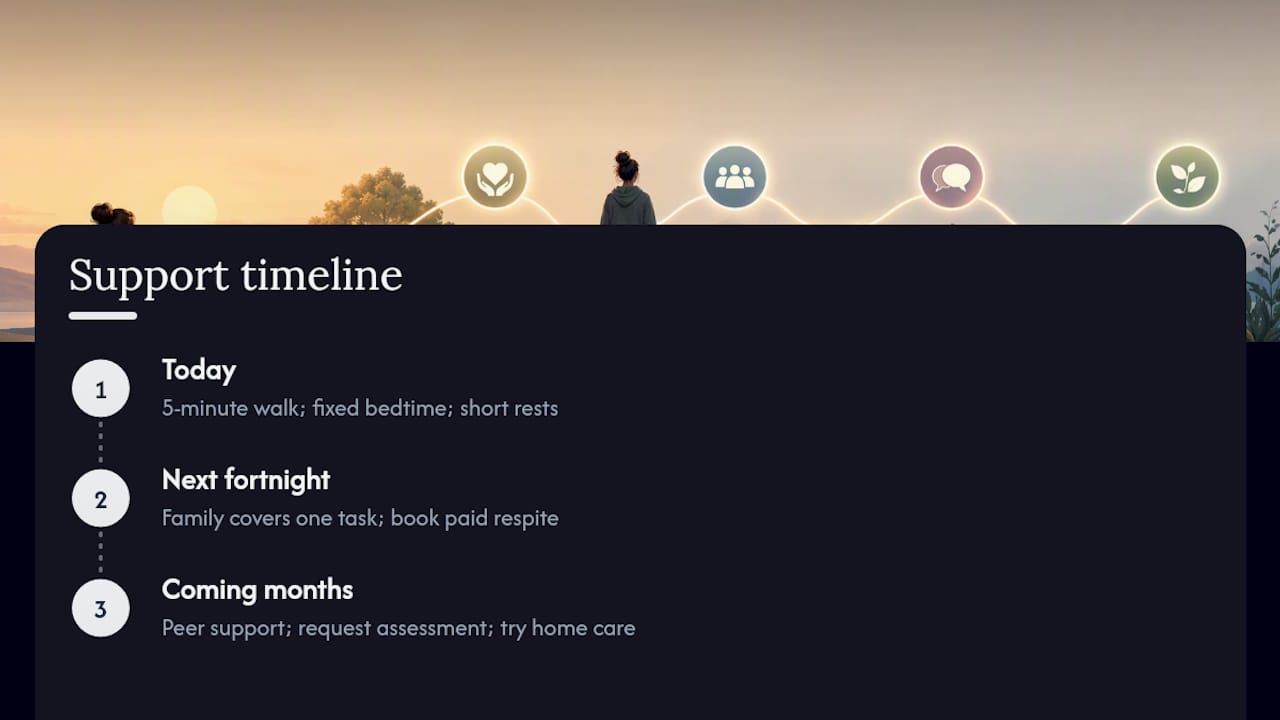
Immediate steps you can take today include a five-minute walk outside, asking a family member to take over one specific task this week, and setting a fixed bedtime even if sleep doesn’t come easily straight away.
Short-term steps, over the next fortnight, might involve arranging a paid short visit or respite booking, learning to say no to one non-essential request, and being explicit with family about which tasks you can no longer manage alone. Our guide to respite care at home covers how to set this up without a long wait.
Medium-term steps, over the coming months, include joining a peer support group, requesting a formal carers’ assessment, and exploring paid domiciliary help to cover regular slots rather than waiting for crisis point. Research into respite care consistently links regular breaks to better carer wellbeing.
Be wary of coping habits that feel helpful in the moment but cost you later, extra alcohol, skipped meals, or scrolling your phone until 2am instead of sleeping.
Pro Tip: Bank rest in short bursts rather than waiting for one big break. Ten minutes with a cup of tea and no screen does more for your nervous system than you’d expect, and it’s far easier to fit into a caring schedule than a full day off.
What support and treatment options actually help carers recover?
Professional support tends to work on two fronts, clinical and social care, and knowing what each offers helps you ask for the right thing.
On the clinical side, your GP can assess mood and sleep, refer you to counselling or NHS talking therapies, and prescribe medication where it’s clinically appropriate. On the social care side, a carers’ assessment can unlock respite funding, domiciliary support, or reablement services designed to restore some independence to the person you care for, easing your load in the process. Our reablement care guide explains how that works in practice.
Successful support usually shows up first in sleep and mood, followed by a renewed sense that you can keep going without dread. Waits for NHS talking therapies vary by area, so if your GP appointment doesn’t move fast enough, ask directly whether an urgent referral pathway applies to your situation. Being specific about burnout symptoms, rather than saying you’re “just tired,” tends to speed things along.
How Kells-care supports carers dealing with burnout
Kells Domiciliary Care has spent over 30 years supporting London families through exactly this kind of pressure. Every carer is DBS-checked, fully trained, and works within CQC-regulated standards, so handing over even a few hours feels safe rather than risky.
Practical support looks like:
- Short respite visits to cover a few hours while you rest or run errands
- Regular hourly visits that free up a fixed slot in your week
- Live-in care for periods when you need a proper, sustained break
If you’re not sure where to start, our free home care guide walks through what an assessment involves and how flexible packages can be built around your family’s specific needs.
Where to find further help and reliable information
For prevalence data and policy context, Carers UK’s State of Caring survey is the most cited source. For practical NHS steps, see NHS carer breaks and respite guidance and the SLAM NHS blog on coping strategies.
Caregiver burnout signs: what the evidence actually tells carers to prioritise
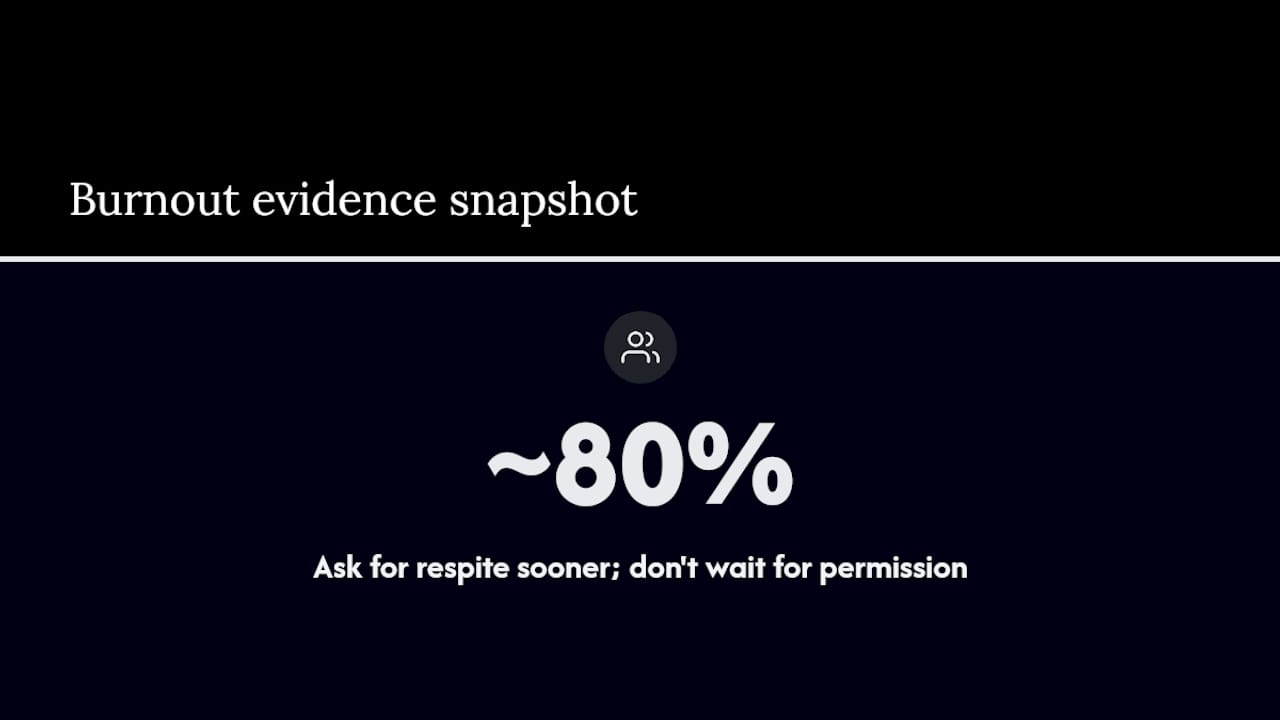
Most advice on caregiver burnout tells people to “practise self-care,” as though a bubble bath cancels out fifty hours of care a week. It doesn’t, and treating burnout as a personal discipline problem is where conventional advice falls short. The data points somewhere more useful: nearly 80% of carers report feeling stressed or anxious, and the strongest single predictor of feeling overwhelmed is simply not getting a break. That’s a structural problem, not a mindset one.
If you take one thing from this article, make it this: stop waiting for permission to ask for respite. Carers routinely delay requesting a carers’ assessment or booking paid cover because they feel they should manage alone, or because dealing with services feels like another battle on top of an already exhausting one. That reluctance to advocate for support is itself part of the burnout cycle. The fix isn’t more willpower. It’s a shorter gap between noticing the early signs and actually arranging the break.
— Dan
This article is general information, not a substitute for advice from a qualified doctor. Consult a qualified healthcare professional about your own circumstances before acting on anything here.
Sources
- State of Caring survey 2023 — The impact of caring on health (Carers UK)
- Caregiver burnout: What it is, symptoms & prevention (Cleveland Clinic)
- Caregiver burnout: causes, symptoms and coping strategies (SLAM NHS blog)
- Carer breaks and respite care (NHS)


